⚡ Key Facts
- The $400 Reality Check: According to the Federal Reserve, nearly 37% of Americans lack enough liquid cash to cover a sudden $400 emergency without resorting to debt or selling assets.
- Rising Disaster Costs: The National Oceanic and Atmospheric Administration (NOAA) reported that the U.S. experienced a record-breaking 28 billion-dollar weather and climate disasters in 2023 alone.
- Displacement Expenses: The American Red Cross estimates that a family can spend upwards of $1,500 to $2,000 in just the first few days of an emergency evacuation for lodging, fuel, and basic necessities.
- FEMA’s Core Recommendation: The Federal Emergency Management Agency (FEMA) explicitly lists financial readiness—including saving cash and organizing documents—as a primary pillar of household resilience.
- Medical Vulnerability: Centers for Disease Control and Prevention (CDC) data highlights that sudden medical emergencies are a leading cause of unexpected financial shock, emphasizing the need for robust cash reserves.
Imagine the sirens are sounding, the evacuation orders have been given, and you have exactly thirty minutes to leave your home. You grab your meticulously packed Go-Bag Builder, load your family into the vehicle, and merge onto a highway clogged with thousands of other panicked residents. In this critical moment, the most valuable asset you possess isn't the tactical knife on your belt or the water filter in your backpack. The ultimate survival tool is the balance in your bank account and the physical cash in your wallet. See go-bag essentials guide. See Catastrophe Survival 101 (Spanish) for additional options. See Catastrophe Survival 101 (Spanish) for additional options. See Spanish pricing page for additional options. See French pricing page for additional options.
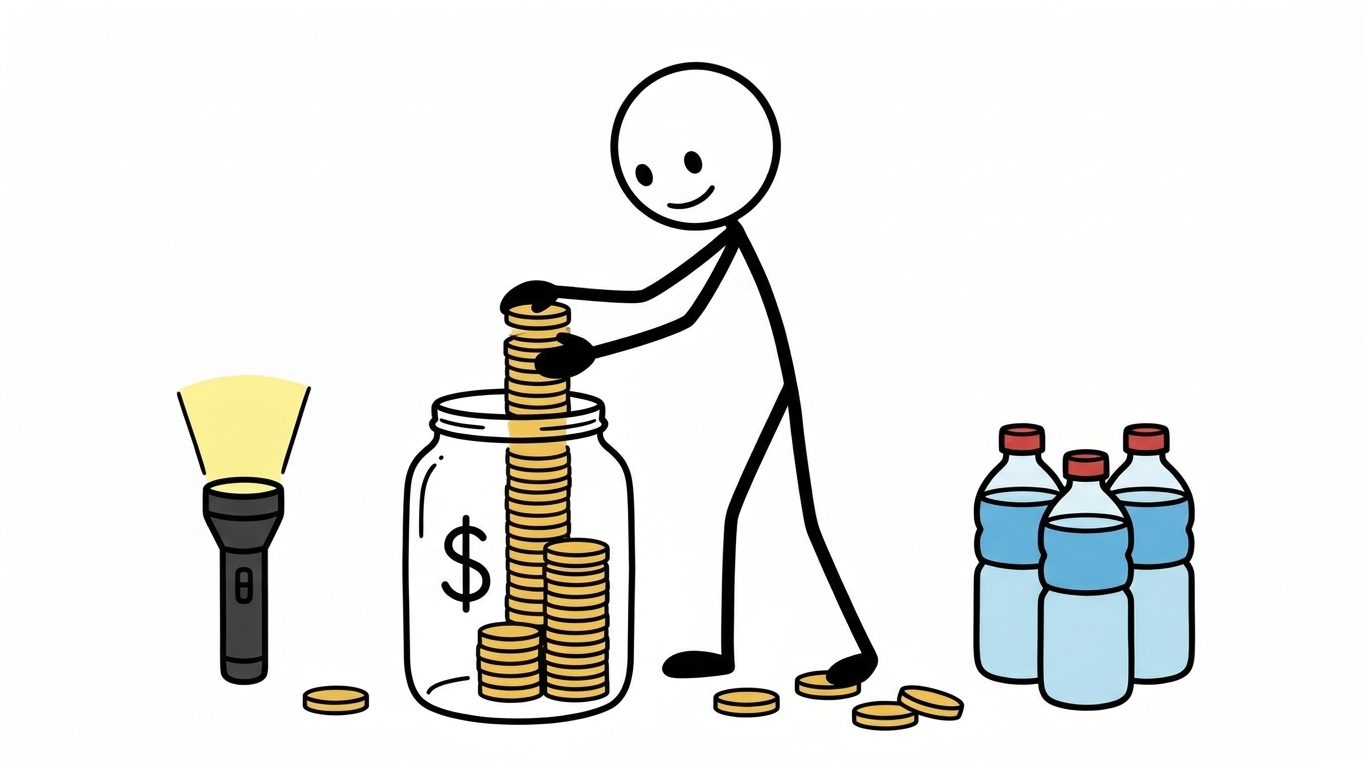
When most people begin their journey into emergency preparedness, they immediately gravitate toward tangible gear. It is incredibly satisfying to stockpile freeze-dried food, purchase heavy-duty flashlights, and organize a top-tier medical kit. However, the uncomfortable truth of modern survival is that the vast majority of crises you will face are not apocalyptic grid-down scenarios. They are localized disasters, sudden health crises, unexpected job losses, and forced evacuations. See Go-Bag Builder.
In these highly probable scenarios, a robust financial emergency fund is the absolute foundational step in any practical survival strategy. Without financial preparedness, even the most well-equipped individual remains dangerously vulnerable to the cascading effects of a disaster. This comprehensive guide will explore why cash is your first line of defense, how to calculate your true survival number, and the actionable steps you can take to build a financial fortress that will protect your family when the unexpected strikes. See survival scenarios library.
The Disconnect Between Prepper Fantasy and Reality
The modern survival community often places a heavy emphasis on wilderness survival skills and off-grid living. While these are valuable skills to cultivate, they frequently overshadow the more mundane—but statistically more likely—threats to our well-being. A true disaster planning strategy requires us to look objectively at the threats we are most likely to encounter in our lifetimes. See Protocol Survival pricing.
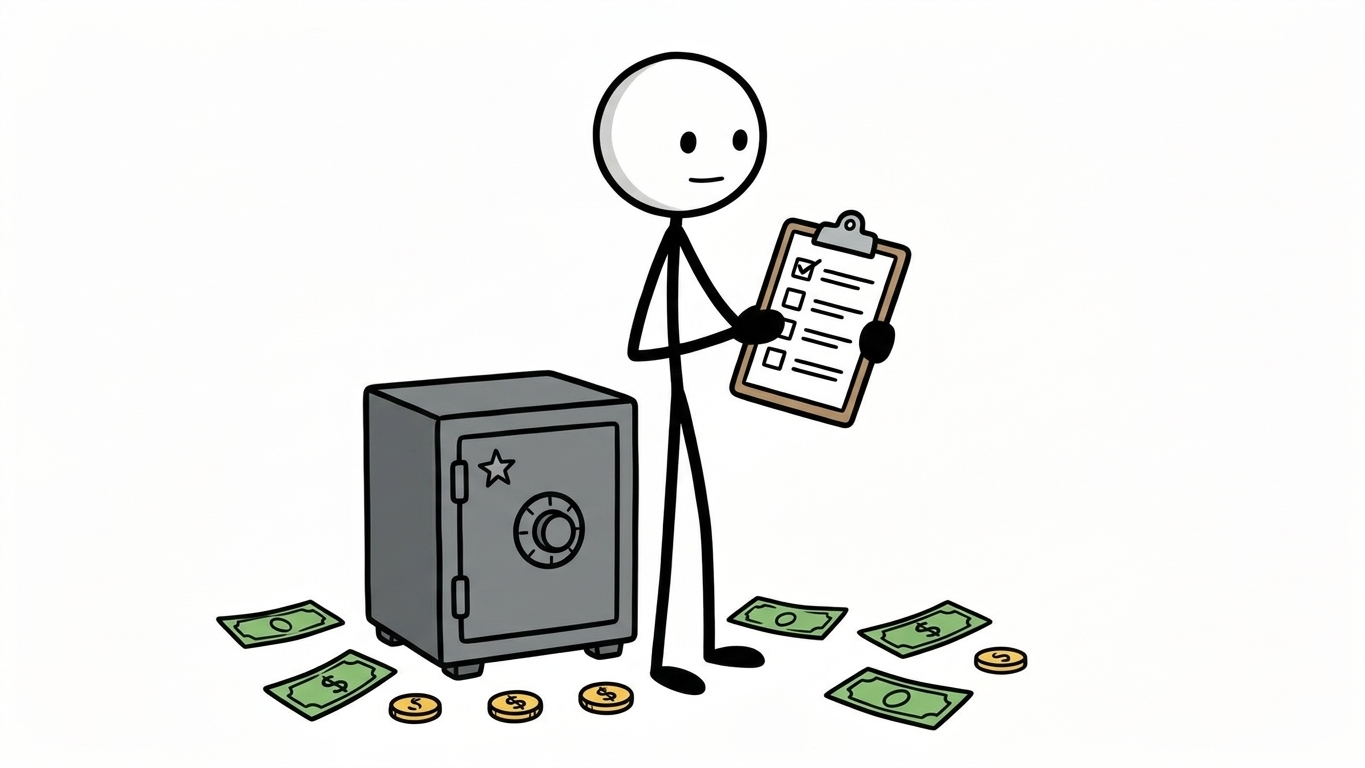
According to the United States Geological Survey (USGS), millions of Americans live in areas prone to sudden seismic activity, which can instantly render a home uninhabitable. When an earthquake damages your foundation, you do not need to know how to build a lean-to shelter in the woods. You need the financial liquidity to secure a long-term hotel stay, pay an insurance deductible, and replace the immediate necessities your family requires to function. See water storage planning guide.
A premium survival kit is an essential component of household readiness, but it is only one piece of the puzzle. If you have five thousand dollars invested in tactical gear but cannot afford to replace a blown transmission on your evacuation vehicle, your preparedness strategy has a critical structural flaw. True resilience means having the resources to maneuver through a crisis without compounding the disaster with financial ruin.
What Exactly is Financial Preparedness?
Financial preparedness is the intentional act of organizing your economic resources to withstand sudden shocks, ensuring your family's basic needs are met without relying on external assistance. It is the buffer that stands between a temporary setback and a life-altering catastrophe. This concept goes far beyond simply having a traditional savings account.
A truly prepared household views their finances through the lens of threat mitigation. This includes having zero high-interest consumer debt, maintaining comprehensive insurance policies, and, most importantly, holding a dedicated, highly liquid emergency fund. When you achieve this level of readiness, you are no longer at the mercy of government response times or charitable organizations during a crisis.
FEMA routinely emphasizes that financial resilience is just as vital as physical safety during a disaster. When you have capital readily available, you buy yourself options. You can choose to evacuate earlier, travel further to secure safer lodging, and purchase scarce resources without hesitation. In an emergency, options equal survival, and an emergency fund is the currency that purchases those options.
The Hidden Costs of Surviving a Disaster
To understand why an emergency fund is so critical, we must break down the actual costs associated with surviving a localized disaster. When a hurricane is forecasted, or a wildfire is encroaching on your community, the expenses begin to mount rapidly. Evacuation is not a free endeavor; it is an incredibly costly logistical operation.
First, consider the cost of fuel. During an evacuation, you may find yourself idling in traffic for hours, burning through gas at an alarming rate. If supply chains are disrupted, fuel prices often surge, requiring more cash just to keep your vehicle moving. Once you are safely out of the hazard zone, you must secure lodging, and in a mass evacuation scenario, cheap hotel rooms disappear instantly.
The American Red Cross notes that displaced families often have to rely on restaurants and fast food because they lack access to a kitchen. Feeding a family of four for a week while living out of a hotel can easily cost over a thousand dollars. If you do not have emergency savings to absorb these costs, you may be forced to ride out a dangerous storm at home simply because you cannot afford to leave.
The Aftermath: Deductibles and Delays
Surviving the immediate threat is only the first phase of a disaster. The recovery phase is where a lack of financial preparedness truly devastates households. If your home sustains damage from a flood, tornado, or fire, your insurance policy will eventually help rebuild, but it will not happen overnight.
Insurance claims take time to process, especially when thousands of your neighbors are filing claims simultaneously. During this waiting period, you are responsible for your living expenses. Furthermore, you will need the cash on hand to cover your insurance deductibles, which can range from a few hundred to several thousand dollars depending on your policy.
Without an emergency fund, families are often forced to take on high-interest credit card debt or predatory loans just to survive the recovery period. This creates a secondary, man-made disaster that can take decades to recover from. Having cash reserves ensures that a natural disaster does not permanently derail your family's financial future.
Deconstructing the Emergency Fund: Tiers of Readiness
Building a robust financial safety net can feel overwhelming, especially if you are starting from scratch. The most effective way to approach this is to break your emergency fund into strategic tiers. Just as you layer your physical survival gear from everyday carry to long-term supplies, you should layer your financial defenses.
Treat this process as a marathon, not a sprint. The goal is to incrementally increase your financial resilience over time. By establishing these tiers, you create clear, actionable milestones that provide immediate psychological relief and tangible security.
Tier 1: The Immediate Buffer ($1,000 to $2,000)
The first tier of your emergency savings is the immediate buffer. The goal here is to quickly save between $1,000 and $2,000. This tier is designed to handle the everyday emergencies that derail most household budgets, such as a blown tire, a broken water heater, or an unexpected trip to the urgent care clinic.
This fund should be highly accessible, ideally kept in a standard savings account linked to your primary checking account. Hitting this first milestone is critical because it stops the cycle of relying on credit cards for minor emergencies. Once Tier 1 is fully funded, you have successfully insulated yourself from the vast majority of routine financial shocks.
Tier 2: The Core Survival Fund (3 to 6 Months)
Once your immediate buffer is established, you must begin building your Core Survival Fund. This is the true heavy-lifter of your disaster planning strategy. The objective is to save enough money to cover three to six months of your baseline living expenses.
Notice that we specify "baseline living expenses," not your current income. If you lose your job or your community is shut down due to a catastrophic event, you will immediately cut all discretionary spending. Calculate exactly what it costs to keep a roof over your head, the lights on, basic food on the table, and essential medications stocked.
This tier protects you against major life disruptions, such as a sudden job loss, a prolonged medical issue as tracked by the CDC, or a major regional disaster that halts the local economy. Keeping this money in a High-Yield Savings Account (HYSA) ensures it is easily accessible while earning a modest return to combat inflation.
Tier 3: The Extended Resilience Fund (6 to 12 Months)
The final tier is the Extended Resilience Fund, which aims to cover six to twelve months of baseline expenses. This level of financial preparedness is the ultimate goal for serious disaster planners. It provides an almost impenetrable shield against economic downturns, severe personal tragedies, or long-term regional recoveries.
Achieving this level of savings requires discipline and time, but the peace of mind it offers is unparalleled. When you have a year's worth of expenses saved, you operate from a position of absolute strength. You can weather almost any storm, physical or economic, without compromising your family's safety or standard of living.
Physical Cash vs. Digital Assets: The Grid-Down Reality
In our modern, interconnected world, the vast majority of our wealth exists as digital numbers on a screen. While digital banking offers incredible convenience, it introduces a severe vulnerability into your emergency preparedness plan. If the power grid fails, your debit cards, credit cards, and mobile payment apps become entirely useless.
Severe weather events routinely knock out power grids and sever internet connections for days or even weeks. When the point-of-sale systems at grocery stores and gas stations go offline, cash becomes the only acceptable form of currency. Therefore, a portion of your emergency fund must exist as physical paper currency secured within your home.
A general rule of thumb for physical cash is to keep enough on hand to fund a sudden evacuation and sustain your family for at least three to five days. For most households, this equates to anywhere from $500 to $2,000 in physical bills. This cash should be stored securely in a fireproof and waterproof safe, ideally hidden from plain sight.
The Importance of Small Denominations
When stockpiling physical cash, the denomination of the bills is just as important as the total amount. During a grid-down scenario, businesses and individuals will likely not be able to make change for large bills. If you only have hundred-dollar bills, you may find yourself paying one hundred dollars for a twenty-dollar tank of gas simply because the attendant cannot break the bill.
Your physical emergency savings should be heavily weighted toward smaller denominations. A healthy mix includes a large stack of one-dollar and five-dollar bills, a solid supply of tens and twenties, and only a few larger bills for major transactions. This ensures you can make exact change and purchase small necessities without overpaying during a crisis.
Actionable Steps to Build Your Financial Safety Net
Understanding the importance of an emergency fund is only half the battle; the real challenge lies in actually building it. In an era of rising costs and inflation, finding extra money to save can feel impossible. However, by adopting a preparedness mindset, you can systematically redirect resources to fortify your financial defenses.
The first step is to perform a ruthless audit of your current expenses. Track every single dollar that leaves your bank account for thirty days. You will likely uncover a surprising amount of money being siphoned away by unused subscriptions, excessive dining out, and impulse purchases. Redirecting these funds is the fastest way to jumpstart your savings.
Next, automate your preparedness. Human willpower is a finite resource, and if you rely on yourself to manually transfer money into savings at the end of the month, it rarely happens. Set up an automatic transfer so that a specific percentage of your paycheck is instantly routed to your emergency fund the moment you are paid.
Selling the Excess to Fund the Essential
One of the most effective strategies for preppers to build their initial cash buffer is to audit their existing gear. Many of us fall into the trap of buying excessive amounts of duplicate equipment. If you have five specialized survival knives but less than five hundred dollars in the bank, your priorities are misaligned.
Take inventory of the gear, tools, and household items you no longer use or need. Selling these items on local marketplaces or online auction sites can generate a rapid influx of cash. Liquidating unnecessary physical assets to build your liquid financial assets is a highly pragmatic approach to modern survival.
Protecting Your Fund from Inflation and Temptation
Once you have built a substantial emergency fund, you face two distinct threats: the silent thief of inflation and the psychological temptation to spend the money. If you keep six months of living expenses in a traditional checking account earning zero interest, inflation will slowly erode its purchasing power over time.
To combat inflation while maintaining liquidity, your Tier 2 and Tier 3 funds should be parked in a High-Yield Savings Account or a reliable Money Market Account. These accounts offer significantly higher interest rates than traditional banks, helping your money maintain its value. Crucially, these funds remain fully accessible, usually taking only one to two business days to transfer to your primary checking account.
The second threat—temptation—requires strict mental accounting. You must establish rigid, non-negotiable rules for what constitutes an actual emergency. A sudden medical bill, a required home repair to prevent further damage, or a natural disaster are emergencies. A family vacation, holiday gifts, or a sale on a new firearm are not. Keep your emergency funds in a completely separate institution from your daily checking account to create a psychological barrier against casual spending.
Integrating Finances with Your Physical Survival Kit
Financial preparedness does not exist in a vacuum; it must be seamlessly integrated with your physical disaster planning. Your go-bag essentials guide or bug-out bag should always contain a designated waterproof pouch for your physical cash. When the evacuation order comes, you should not be scrambling to empty your home safe in the dark.
Beyond cash, documentation is a critical component of financial survival. FEMA highly recommends that every household create an Emergency Financial First Aid Kit (EFFAK). This is a consolidated, secure collection of all your vital financial, medical, and legal documents. If your home is destroyed, proving your identity and ownership of assets becomes your immediate full-time job.
Your EFFAK should include certified copies of birth certificates, social security cards, passports, and marriage licenses. You also need physical copies of your home, auto, and life insurance policies, complete with the contact numbers for your agents. Keep copies of your property deeds, vehicle titles, and recent bank statements to prove your financial standing.
Securing Your Vital Documents
Because these documents contain highly sensitive personal information, they must be protected against both the elements and potential theft. Store the physical copies in a fireproof, waterproof document bag that can be easily grabbed during an evacuation. Do not bury them so deep in a safe that you cannot access them quickly under stress.
In addition to physical copies, it is highly recommended to create an encrypted digital backup of your EFFAK. Scan all your vital documents and store them on an encrypted, password-protected USB flash drive. Keep one drive in your primary survival kit and consider storing a duplicate drive in a secure off-site location, such as a bank safe deposit box or with a trusted family member in another state.
The Psychological Advantage of Financial Resilience
Perhaps the most overlooked benefit of building a robust emergency fund is the profound psychological advantage it provides. Disasters are inherently chaotic, stressful, and emotionally draining events. When you are thrust into a crisis, your brain shifts into a primal fight-or-flight mode, making it difficult to process complex information and make rational decisions.
Financial stress acts as a massive multiplier to the trauma of a disaster. If you are evacuating a wildfire and simultaneously worrying about how you will afford a hotel room or feed your children tomorrow, panic will inevitably set in. Panic leads to poor decision-making, and in a Survival Scenarios, poor decisions can be fatal.
Conversely, when you know you have thousands of dollars in accessible cash and months of living expenses safely tucked away, a profound sense of calm washes over you. You are no longer operating from a place of desperation. Financial preparedness allows you to approach an emergency with a clear, analytical mind, ensuring you can lead your family to safety with confidence and authority.
Building a Culture of Readiness in Your Home
True disaster planning is a holistic lifestyle, not a one-time checklist. Integrating financial readiness into your family's culture ensures that everyone is on the same page when a crisis occurs. Discuss your emergency fund goals with your spouse or partner, and ensure both of you know exactly how to access the accounts and physical cash if one of you is incapacitated.
Even children can be taught the basics of financial preparedness. Teaching them the difference between essential needs and wants, and explaining why the family prioritizes saving for a rainy day, instills a generational mindset of resilience. When the whole family understands the mission, building and maintaining the fund becomes a unified effort rather than a restrictive burden.
Remember that every dollar you save is a brick in the fortress you are building around your family. It may not be as exciting to look at a bank statement as it is to unbox a new piece of tactical gear, but that bank statement is the truest measure of your readiness. Prioritize your economic health with the same intensity and dedication that you apply to your physical security.
Ultimately, a robust financial emergency fund is the bedrock upon which all other survival strategies are built. It provides the liquidity to escape danger, the resources to sustain your family during displacement, and the capital required to rebuild your life in the aftermath. By taking control of your financial preparedness today, you are actively choosing to dictate your own circumstances, ensuring that no matter what the future holds, you and your loved ones will remain secure, resilient, and empowered.
Frequently Asked Questions
How much money should I keep in my emergency fund?
Most experts recommend saving three to six months' worth of essential living expenses to cover major disruptions like job loss, medical emergencies, or natural disasters.
Should I keep physical cash at home for emergencies?
Yes, keeping a small amount of cash in small denominations is crucial because ATMs and credit card machines may not operate during prolonged power or internet outages.
What documents should I include in my financial survival kit?
Include copies of identification, insurance policies, bank account records, tax statements, and property deeds stored in a fireproof, waterproof safe or on a secure digital drive.
How do I build an emergency fund on a tight budget?
Start small by setting aside a specific, manageable amount each paycheck, automating your savings, and gradually increasing the contribution as your budget allows.
Does standard homeowners insurance cover all natural disasters?
No, standard policies typically do not cover floods or earthquakes. You must purchase separate policies or riders to ensure financial protection against these specific hazards.
Sources & Further Reading
- https://www.ready.gov/financial-preparedness
- https://www.fema.gov/emergency-financial-first-aid-kit
- https://www.redcross.org/get-help/how-to-prepare-for-emergencies/financial-preparedness.html
- https://www.consumerfinance.gov/consumer-tools/educator-tools/your-money-your-goals/companion-guides/preparing-for-emergencies/
- https://www.fdic.gov/consumers/consumer/news/cnwin19/disaster_prep.html
Related resource: Catastrophe Survival 101 Course.