⚡ Key Facts
- Underrepresented Necessity: While FEMA recommends a basic 72-hour emergency kit, standard disaster checklists frequently overlook the specific hygiene, water, and waste-disposal requirements of the 26% of the global population of reproductive age who menstruate.
- Elevated Water Demands: The CDC recommends one gallon of water per person per day for basic hydration and sanitation; however, a menstruating individual requires an estimated 1.5 to 2 gallons daily to safely manage hygiene and prevent infections.
- Stress-Induced Cycle Disruptions: Clinical research indicates that acute survival stress triggers cortisol spikes that can cause sudden, unexpected menstruation (menorrhagia) or severe cramping, even in individuals with highly regular cycles or chemical amenorrhea.
- Shelter Infrastructure Gaps: Red Cross post-disaster assessments reveal that public evacuation shelters routinely face shortages of personal hygiene products, private disposal facilities, and clean water access within the first 48 to 72 hours of an event.
When the power grid fails, municipal water systems shut down, or an evacuation order forces you to leave your home with only what you can carry, survival priorities immediately shift to shelter, water, and warmth. Yet, for millions of individuals, there is another non-negotiable biological reality that cannot be paused by a natural disaster: menstruation. In the high-stress environment of an emergency, the body’s hormonal balance can react unpredictably, triggering sudden bleeding, heavier flows, or debilitating cramps. Despite this, menstrual health is routinely treated as an afterthought in emergency preparedness. Preparing for this reality is not merely a matter of comfort; it is a critical defense against systemic infections, psychological trauma, and severe hygiene challenges. By building a robust, specialized plan that integrates hygiene, water purification, waste isolation, privacy, and pain management, you can maintain your health, dignity, and autonomy in the worst of conditions.
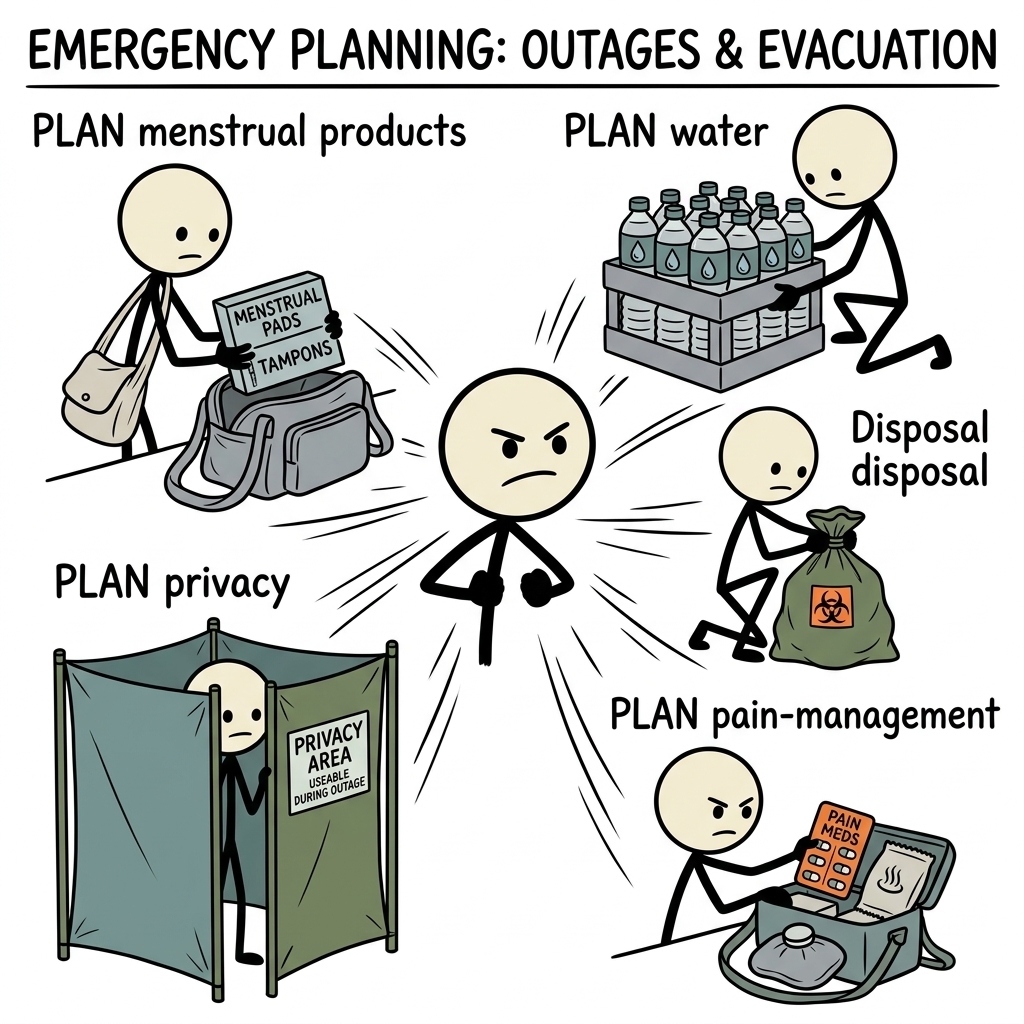
The Biological Impact of Disasters on Menstruation
To prepare effectively, it is vital to understand how extreme stress alters human physiology. During an evacuation or a prolonged power outage, the body enters a sustained "fight-or-flight" state. The hypothalamus-pituitary-adrenal (HPA) axis becomes highly active, flooding the bloodstream with cortisol and adrenaline. This hormonal cascade can directly disrupt the hypothalamic-pituitary-ovarian axis, which regulates the menstrual cycle.
As a result, you may experience sudden, breakthrough bleeding, a prematurely induced period, or an abnormally heavy flow (menorrhagia). Conversely, some individuals may experience severe dysmenorrhea (painful cramping) without immediate bleeding. This means that even if you track your cycle meticulously, use hormonal contraceptives to suppress your period, or believe you are weeks away from your next cycle, you must prepare for unexpected menstruation. Your emergency period supplies emergency preparedness strategy must account for these hormonal anomalies.
Furthermore, physiological stress lowers the body's immune response. In a disaster zone, exposure to pathogens is elevated due to compromised municipal water systems and crowded living conditions. Using improvised menstrual materials—such as rags, toilet paper, or leaves—or wearing single-use products for extended periods significantly increases the risk of bacterial vaginosis (BV), yeast infections, urinary tract infections (UTIs), and the rare but life-threatening Toxic Shock Syndrome (TSS). Understanding these risks highlights why specialized supplies are just as critical as food, flashlights, and first-aid kits.
Water, Sanitation, and Hygiene (WASH) in Outages
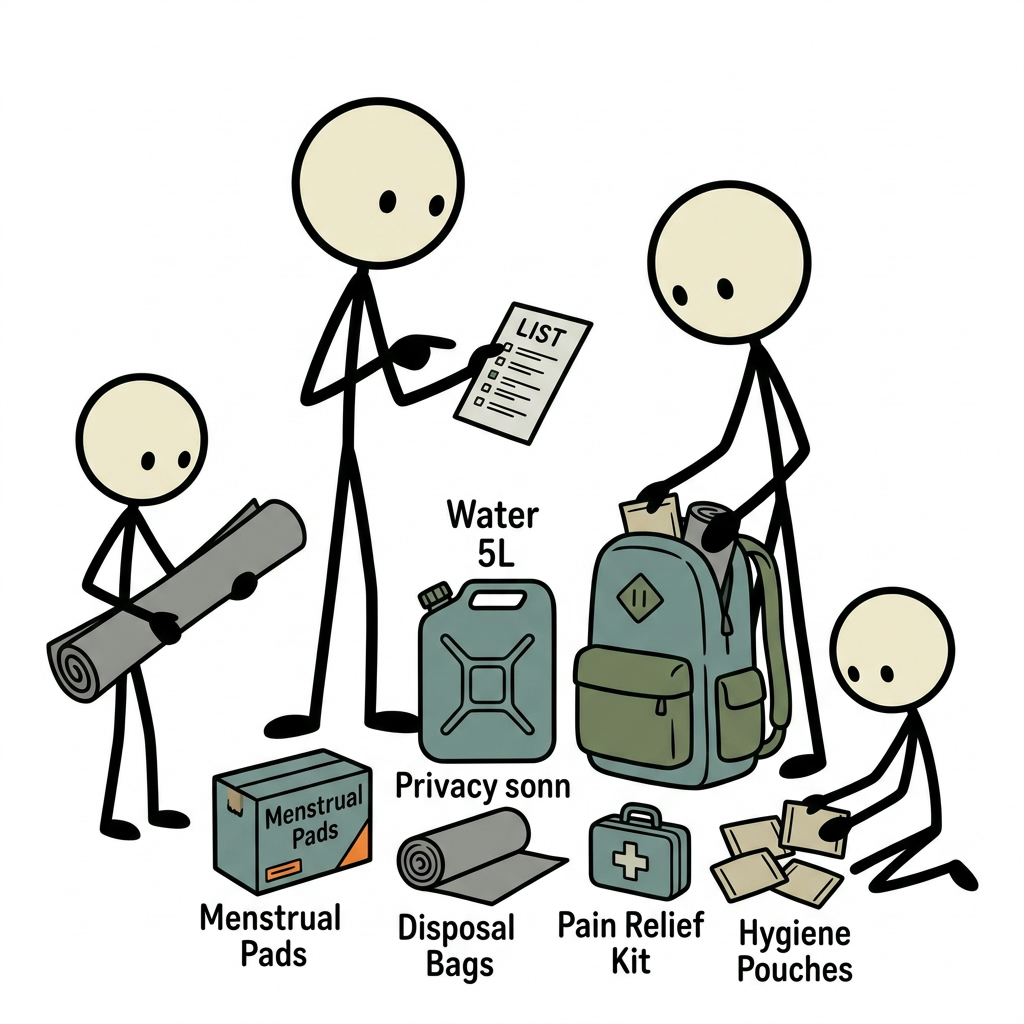
Water is the foundation of menstrual hygiene. If the municipal Water Calculator is cut off or contaminated—a common occurrence during floods, hurricanes, and earthquakes—maintaining basic cleanliness becomes highly challenging. According to the U.S. Geological Survey (USGS) and the CDC, water systems during disasters are highly susceptible to pathogens like E. coli, Giardia, and Cryptosporidium, as well as chemical runoff.
The Menstrual Water Budget
When calculating your emergency water storage, you must allocate extra resources for menstrual hygiene. While the standard emergency guideline is one gallon of water per person per day, a menstruating individual requires an additional half-gallon to a full gallon daily. This extra water is split between three critical tasks: handwashing before and after changing products, cleansing the perineal area, and sanitizing reusable products like menstrual cups.
Sanitizing Reusable Products Under Boil-Water Advisories
If you rely on a menstrual cup or disc, clean water is non-negotiable. If you are under a boil-water advisory, you must treat all water used for intimate hygiene with the same rigor as drinking water. To clean a medical-grade silicone cup safely:
- Wash hands first: Clean your hands using potable water and unscented soap, or use an alcohol-based hand sanitizer containing at least 60% alcohol, allowing it to dry completely before handling your menstrual product.
- Cold-water rinse: Rinse the cup with treated, potable water to remove blood. Never use untreated tap water, floodwater, or surface water, as micro-abrasions in the vaginal canal can allow pathogens to enter the bloodstream directly.
- Sterilization: If you are sheltering in place with access to a heat source (such as a camp stove), sterilize the cup by boiling it in a dedicated pot of clean water for 5 to 10 minutes. If boiling is not possible, use chemical sterilization. You can submerge the cup in cold water treated with a sodium dichloroisocyanurate (NaDCC) tablet or a chlorine dioxide tablet, following the manufacturer’s instructions for sanitizing medical devices.
No-Water Hygiene Alternatives
If water is extremely scarce, you must pivot to dry-hygiene protocols. Stock your kit with individually wrapped, unscented, pH-balanced feminine wipes or body wipes. Avoid scented wipes, baby wipes with heavy fragrances, and alcohol-based wipes for intimate cleansing, as these disrupt the vaginal microbiome, leading to irritation and infection. When using wipes, always wipe from front to back to prevent the introduction of coliform bacteria into the vaginal canal and urethra.
The Comprehensive Emergency Period Supplies Checklist
To ensure you are fully prepared for both sheltering in place and rapid evacuation, you should assemble a dedicated, waterproof, and discreet go-bag essentials guide for your menstrual needs. This kit should be stored alongside your primary Go-Bag Builder or disaster supplies. Below is a highly detailed emergency period supplies checklist designed to cover a minimum of 14 days of continuous use.
| Item Category | Specific Item & Description | Quantity (14-Day Supply) | Survival Purpose |
|---|---|---|---|
| Internal Collection | Medical-grade silicone menstrual cup or disc (properly fitted) | 2 units (one primary, one backup) | Infinite reusability; reduces waste volume; up to 12-hour wear time. |
| Disposable Barriers | Unscented, organic cotton day pads (heavy/medium flow) | 24–36 pads | Easy to use when water for washing reusable items is unavailable. |
| No-Water Cleansing | Hypoallergenic, unscented, pH-balanced biodegradable wet wipes | 2–3 packs (minimum 100 wipes total) | Perineal cleansing and hand hygiene when potable water is scarce. |
| Hand Sanitization | 70% Ethyl alcohol hand sanitizer (pump or squeeze bottle) | 2 travel-size bottles (2 oz each) | Eliminates pathogens from hands before and after product management. |
| Waste Containment | Black, opaque, heavy-duty zip-top freezer bags | 20 bags | Discreet, odor-proof, and puncture-resistant waste isolation. |
| Odor Control | Chlorophyll tablets or baking soda packets | 1 small box / box of baking soda | Neutralizes odors inside waste containment bags. |
| Undergarment Protection | Heavy-absorbency period underwear (moisture-wicking) | 3–5 pairs | Backup protection against leaks; comfortable for long-distance walking. |
| Water Purification | Aquatabs (NaDCC) or portable squeeze water filter (e.g., Sawyer Squeeze) | 1 pack of tablets / 1 filter unit | Ensures clean water for washing reusable cups and intimate areas. |
When selecting your emergency period supplies, prioritize medical-grade, hypoallergenic materials. Cardboard-applicator tampons or applicator-free tampons are preferred over plastic-applicator tampons for survival kits because they are more compact, generate less waste, and are less likely to crush or break under pressure in a packed bag. If you opt for reusable period underwear, ensure you have a viable method for washing and drying them. They require significant water to rinse out and can take up to 24 hours to air-dry in humid or cold environments, which may not be feasible during a rapid evacuation.
Safe Waste Management and Disposal Protocols
During a grid-down scenario, municipal garbage collection often ceases, and water-carrying sewage systems may fail. If toilets cannot flush, disposing of used pads, tampons, and wipes becomes a major sanitation challenge. Accumulating biological waste inside a home or shelter attracts disease vectors, such as flies, rodents, and cockroaches, which can transmit illnesses like Salmonella and Leptospirosis.
The Two-Bucket Waste System
If you are sheltering in place without functional sewage systems, implement a "two-bucket" sanitation system. Reserve one five-gallon bucket lined with a heavy-duty trash bag for human excreta (feces and urine), treated with dry sawdust, peat moss, or powdered lime to control moisture and pathogens. Reserve a second, smaller bucket specifically for dry menstrual waste and wipes. Keeping menstrual waste separate from wet waste prevents the rapid acceleration of bacterial decay and reduces overall odor.
Discreet and Odor-Proof Disposal for Evacuation
If you must evacuate to a public shelter or travel on foot, you must carry your waste with you until you reach a functional disposal point. To do this safely and discreetly, use a multi-layered containment strategy:
- Individual Wrapping: Wrap the used pad or tampon tightly in its original wrapper or a small piece of newspaper.
- The Primary Barrier: Place the wrapped item into an opaque, black zip-top bag. Adding a tablespoon of baking soda, dry cat litter, or a crushed charcoal tablet inside the bag will absorb moisture and neutralize organic odors.
- The Secondary Seal: Place the sealed black bag inside a larger, puncture-resistant freezer bag. Store this bag in an exterior pocket of your backpack, away from food and clean water supplies.
Never burn menstrual products in a campfire or indoor fireplace. Modern disposable pads and tampons contain synthetic plastics, superabsorbent polymers (SAPs), and bleaching agents that release highly toxic dioxins and furans into the air when burned at low temperatures. Similarly, never bury synthetic pads or tampons in nature; they are not biodegradable and can be dug up by wild animals, presenting a biological hazard.
Securing Privacy, Dignity, and Safety in Public Shelters
Disaster shelters, such as school gymnasiums or community centers, are designed for rapid, high-density housing. They rarely offer adequate privacy. Managing your period in an open-floor shelter with shared, high-traffic restrooms can cause significant anxiety and stress, which in turn can exacerbate physical symptoms.
Creating a Portable Privacy Shield
Do not rely on the shelter infrastructure to provide privacy. Pack items in your kit that allow you to create your own personal space. A lightweight, compact pop-up privacy tent (often sold as portable changing or shower tents) is an excellent addition to a family vehicle kit. If you are traveling on foot, a large, dark-colored poncho, a travel sarong, or an emergency space blanket can be held up by a partner or rigged to a cot to block sightlines while you change products or clean yourself.
Navigating Shared Restrooms
When using public or shared camp restrooms, always carry your complete hygiene kit with you in a compact, waterproof pouch that can hang from a door hook or your neck. Avoid placing your clean supplies on damp, contaminated countertops or floors. If restroom doors lack locks, use a simple rubber door wedge—carried in your pocket—to secure the door from the inside while you tend to your needs.
Additionally, coordinate with a trusted "buddy" within your evacuation group. Having someone stand guard outside a stall or tent zipper provides peace of mind and physical security, especially in chaotic shelter environments where vulnerable populations face elevated safety risks.
Pain Management and Physical Comfort Strategies
Severe menstrual pain (dysmenorrhea) can be as debilitating as a physical injury. In a survival situation, being incapacitated by cramps, nausea, or migraines can prevent you from evacuating safely, setting up shelter, or caring for dependents. Effective pain management must be planned with the same care as physical protection.
Pharmacological Preparedness
Your first-aid kit must contain targeted medications for menstrual pain. Nonsteroidal Anti-inflammatory Drugs (NSAIDs) are the gold standard for dysmenorrhea because they directly inhibit the production of prostaglandins—the chemicals that cause the uterus to contract and cramp.
- Ibuprofen: A fast-acting NSAID. Stock enough 200mg tablets to allow for a standard dosage (400mg to 600mg every 4 to 6 hours) for at least 5 days.
- Naproxen Sodium: A longer-acting NSAID. Naproxen (220mg) provides relief for up to 12 hours, making it highly valuable when you need to sleep or hike long distances without stopping to medicate.
- Antispasmodics and Antihistamines: For those who experience severe nausea or gastrointestinal distress during their cycle, include over-the-counter antiemetics (like Meclizine) or natural ginger root capsules.
Always store medications in their original, moisture-proof blister packs rather than loose bottles. This protects them from humidity, extends their shelf-life, and ensures that emergency medical personnel can identify the medication in an emergency.
Thermoregulation and Non-Pharmacological Relief
Heat is a highly effective, clinically proven method for relaxing uterine muscles and increasing local blood flow. Because you cannot rely on electric heating pads or hot baths during a power outage, pack alternative heat sources:
- Air-Activated Heat Wraps: Adhesive heat patches (such as those designed for back or menstrual pain) activate upon exposure to air and provide consistent, low-level heat for up to 8 hours. They are lightweight, flat, and require no electricity or hot water.
- Reusable Hot Water Bottles: If you have a camp stove and water, a small, durable silicone hot water bottle can be filled with hot water and pressed against the abdomen. In cold-weather Survival Scenarioss, this also serves as a critical tool to prevent hypothermia.
- Acupressure: Familiarize yourself with pressure points that alleviate pelvic pain. The "Spleen 6" (SP6) point, located approximately four finger-widths above the inner ankle bone, has been shown in clinical studies to reduce the severity of menstrual cramps when massaged firmly for several minutes.
Evacuation vs. Sheltering-in-Place: Tailoring Your Strategy
Your operational plan will differ significantly depending on whether you are staying in your home or fleeing an active threat. Your emergency period supplies emergency preparedness blueprint must adapt to these two distinct scenarios.
Scenario A: Sheltering-in-Place (The Grid-Down Home)
When staying at home during a prolonged power outage or water main break, you have the advantage of space. You can store bulkier items and larger quantities of water.
- Stockpile Reusables and Disposables: Maintain a hybrid supply. Use disposable pads and tampons first to preserve your stored water. If the outage extends beyond two weeks, transition to your menstrual cup, utilizing your stored water and camp stove for sterilization.
- Sanitation Infrastructure: Set up your two-bucket toilet system in a ventilated bathroom. Keep a dedicated supply of heavy-duty contractor trash bags and dry cover material (like sawdust or cat litter) nearby.
Scenario B: Rapid Evacuation (On the Move)
When evacuating on foot or in a packed vehicle, space and weight are your primary constraints. Every ounce in your bug-out bag must be justified.
- Prioritize the Menstrual Cup/Disc: A single menstrual cup weighs less than an ounce and replaces dozens of bulky pads and tampons, freeing up massive amounts of space in your pack. Pair it with a compact, squeeze-style water filter to ensure you can produce clean rinse water from natural sources.
- Pack Multi-Use Items: Choose items that serve multiple purposes. For example, unscented castile soap (such as Dr. Bronner's) can be used to wash your body, clean your menstrual cup, wash undergarments, and sanitize camp dishes. A dark-colored microfiber travel towel can be used for drying off after washing, as a privacy shield, or as emergency insulation.
Empowerment Through Proactive Planning
True emergency preparedness is about eliminating variables and taking control of your physical reality before a crisis strikes. Menstruation is a normal, healthy biological process, but without proper planning, it can become a vector for disease, pain, and psychological distress during a disaster. By integrating targeted water storage, medical-grade barrier products, sterile sanitation protocols, and robust pain-management tools into your family emergency plans, you ensure that you remain resilient, self-sufficient, and dignified in any survival scenario. Do not wait for the next storm warning or evacuation order to protect your health. Build your specialized kit, update your emergency supplies, and gain the peace of mind that comes from being fully prepared for every aspect of survival.
Frequently Asked Questions
What should a emergency period supplies plan include?
Start with the immediate safety steps, the supplies and records your household needs, a communication plan, and a regular review schedule. Follow local official guidance during an active emergency.
How often should I review emergency period supplies preparations?
Review them at least twice a year and whenever your household, medication, location, or local risks change. Replace expired supplies and practice key steps.
Where can I find reliable emergency guidance?
Use local emergency management alerts and established public-health or emergency-management agencies. A blog guide should support, not replace, official real-time instructions.