⚡ Key Facts
- According to the CDC, up to 49 million Americans have food allergies, and the rate of severe anaphylactic reactions continues to rise annually.
- Epinephrine auto-injectors must be stored between 68°F and 77°F (20°C to 25°C); extreme temperatures during power outages can rapidly degrade the life-saving medication.
- FEMA and the American Red Cross strongly recommend maintaining a minimum 7-to-14-day backup supply of all essential life-saving medications, including epinephrine.
- Up to 20% of anaphylactic reactions are biphasic, meaning a second, potentially fatal wave of symptoms can occur hours after the initial reaction, requiring multiple doses when EMS is delayed.
- Alcohol-based hand sanitizers do not destroy or remove allergy-causing proteins; only mechanical washing with soap and water or commercial wipes can prevent cross-contamination in disaster shelters.
Imagine surviving a Category 4 hurricane or a massive magnitude 7.0 earthquake, only to face a life-threatening medical crisis from a shared emergency ration bar in a dark, crowded evacuation shelter. For individuals with severe allergies, the disaster does not end when the storm passes or the ground stops shaking. In many ways, it evolves into a secondary crisis. When regional infrastructure collapses, the standard safety nets we rely on—functioning 911 dispatch centers, rapid ambulance response times, and fully stocked local pharmacies—can vanish in an instant. This stark reality makes severe allergy disaster prep not just a cautious precaution, but an absolute, non-negotiable lifeline. See the survival scenarios.
For nuclear emergencies specifically, see our nuclear fallout first 24 hours guide - the actions you take in the first hour are critical.
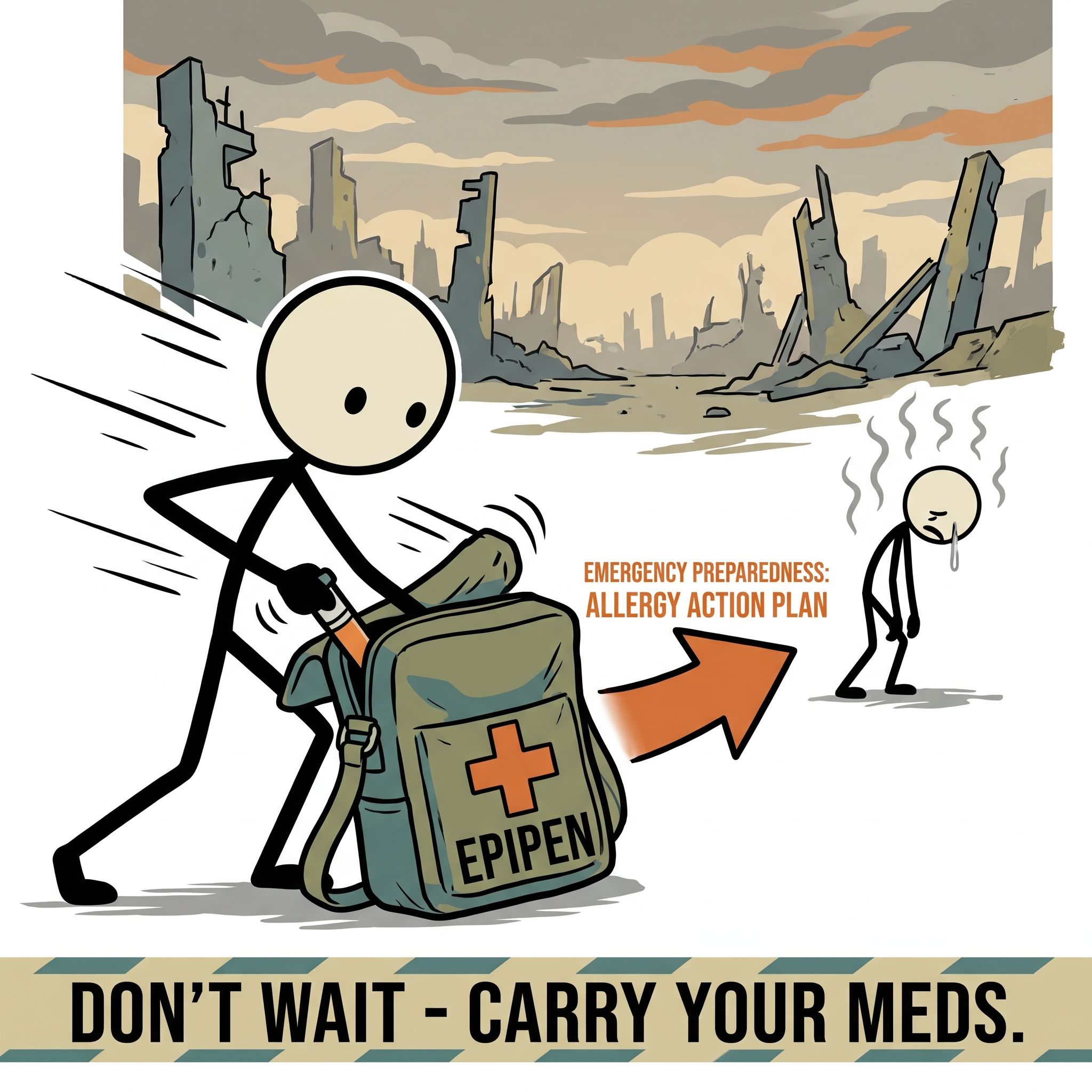
In a true grid-down scenario, the environment becomes inherently hostile to those with hyper-reactive immune systems. Floodwaters disturb stinging insect nests, emergency shelters become hotbeds for cross-contamination, and the stress of a disaster can actually lower the body’s threshold for an allergic reaction. Navigating this landscape requires more than just carrying a single auto-injector in your pocket. It requires a comprehensive, proactive strategy. See the family emergency plan.
Whether you are managing severe reactions to peanuts, tree nuts, shellfish, bee stings, or specific medications, surviving a disaster means becoming your own first responder. By understanding how to protect your medication, recognizing the signs of systemic shock, and strategically planning your emergency nutrition, you can navigate any crisis with confidence. Here is your definitive guide to building a resilient, fail-proof plan for severe allergies and anaphylaxis risk. See the Protocol Survival app.
EpiPen Emergency Preparedness: Storage and Temperature Control
The cornerstone of any allergy survival plan is epinephrine. It is the only medication capable of halting and reversing the systemic cascade of anaphylaxis. However, epinephrine is a highly volatile compound. Brand-name EpiPens, Auvi-Q devices, and generic auto-injectors all share a common vulnerability: temperature sensitivity. Proper EpiPen emergency preparedness requires strict adherence to temperature guidelines, which becomes incredibly difficult during power outages, extreme heat waves, or winter storms. See the go-bag essentials guide.
The Danger of Temperature Extremes
Manufacturers explicitly state that epinephrine should be stored at controlled room temperature, typically between 68°F and 77°F (20°C to 25°C), with brief excursions permitted up to 86°F (30°C) or down to 59°F (15°C). When exposed to extreme heat—such as inside a vehicle during a summer evacuation or in a home without air conditioning following a hurricane—epinephrine degrades rapidly, losing its potency. If the liquid inside the viewing window appears brown, cloudy, or contains solid particles, the medication has degraded. See the go-bag builder.
Conversely, freezing temperatures are equally dangerous. If an auto-injector freezes during a winter grid failure, the expansion of the liquid can crack the internal glass vial or damage the injection mechanism, rendering the device completely useless even after it thaws. See the supply calculator.
Off-Grid Storage Solutions
When the power grid fails, you must actively manage the microclimate around your medication. Do not simply throw your auto-injectors into a refrigerator or a cooler filled with loose ice, as this risks freezing them.
- Evaporative Cooling Wallets: Products like Frio bags use water-activated gel crystals to keep medications cool through evaporation. They require no electricity or ice—only soaking in water every few days. These are ideal for summer power outages and evacuations.
- Insulated Stainless Steel Thermoses: A high-quality, vacuum-sealed thermos can protect auto-injectors from extreme temperature swings. In extreme heat, you can place a sealed thermos inside a cooler. The vacuum insulation prevents the cold from the ice from freezing the medication while shielding it from ambient heat.
- Body Heat in Winter: If you are trapped in a freezing environment, such as a stranded vehicle during a blizzard, store your auto-injectors in an inside pocket of your base layer, close to your body. Your core body heat will keep the medication well within the safe temperature range.
Securing Your Epinephrine Backup Supply
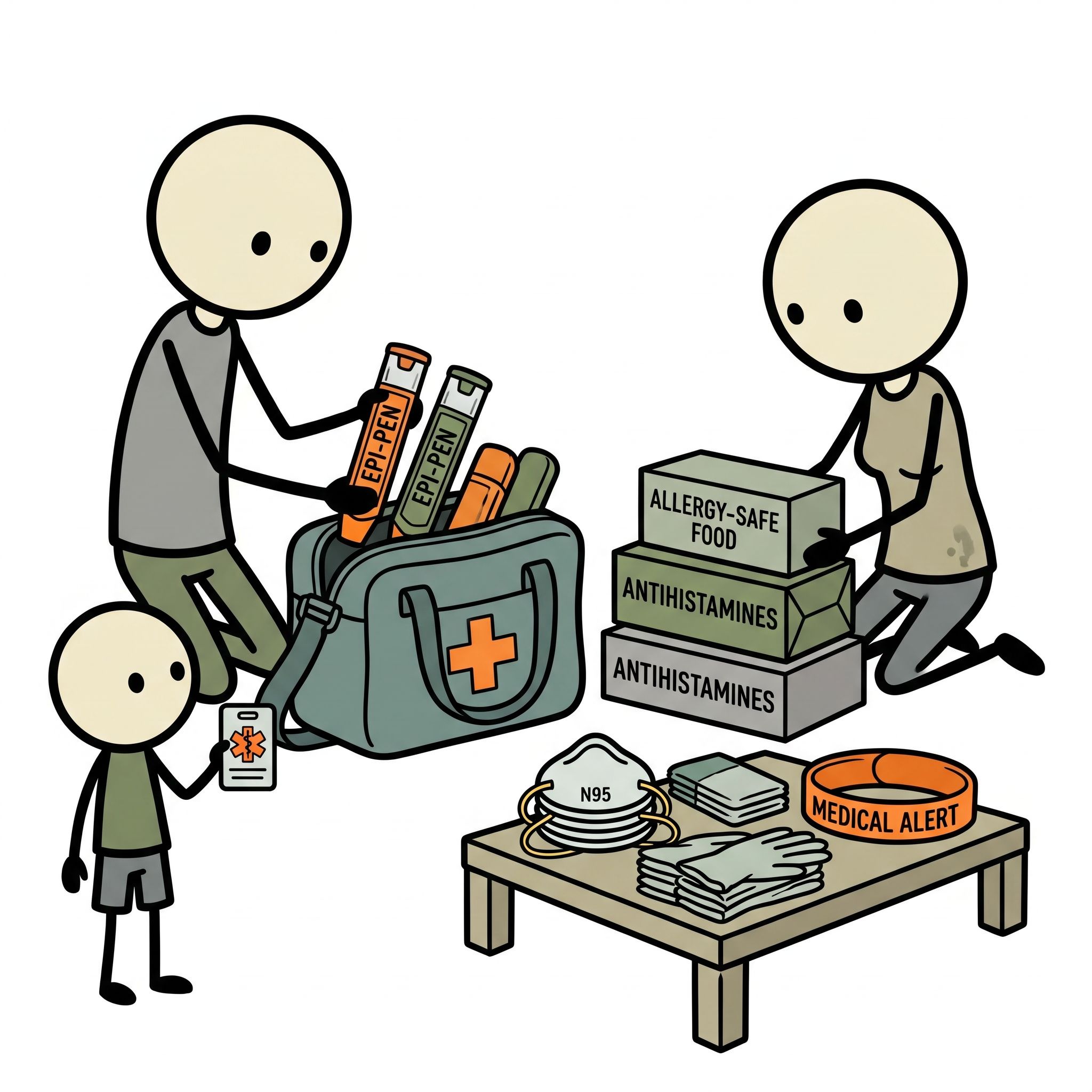
In normal circumstances, carrying two auto-injectors is the gold standard. In a disaster, two is simply not enough. Emergency medical services (EMS) may be delayed by hours or even days due to blocked roads, flooded streets, or overwhelmed dispatch centers. Because the effects of a single dose of epinephrine begin to wear off after 15 to 20 minutes, a prolonged wait for advanced medical care necessitates an epinephrine backup supply.
Overcoming Insurance Hurdles
Stockpiling prescription medication is notoriously difficult due to strict health insurance limits and high out-of-pocket costs. However, there are strategic ways to build your reserve legally and safely.
First, communicate directly with your allergist or primary care physician. Explain that you are building a disaster preparedness kit based on FEMA guidelines, which recommend a 14-day supply of essential medications. Many doctors are willing to write an additional prescription specifically for a "school," "work," or "travel" set, which you can then designate for your go-bag essentials guide. Furthermore, explore manufacturer discount cards, generic alternatives, and reputable online pharmacies to lower the cash price of extra sets.
Vials and Syringes as a Last Resort Backup
If purchasing multiple auto-injectors is financially impossible, discuss the possibility of a vial and syringe prescription with your doctor. Ampules or vials of epinephrine (1:1000 concentration) paired with intramuscular syringes are significantly cheaper than auto-injectors. Warning: This method requires extensive pre-disaster training. Drawing up the correct dosage (typically 0.3mg for adults and 0.15mg for children) while experiencing the panic of an anaphylactic reaction is incredibly difficult. This should only be considered a deep backup for those properly trained by a medical professional.
The Reality of Expired Epinephrine
A common question in survival medicine is whether to use expired medication. The official medical advice is to always use unexpired, properly stored epinephrine. However, in an apocalyptic or severe Survival Scenarios where death is imminent and no other options exist, an expired EpiPen may save a life.
Studies evaluating expired auto-injectors have shown that they can retain up to 84% to 90% of their epinephrine concentration months or even years past their expiration date, provided they were stored at the correct temperatures. If you are facing a fatal reaction and EMS is unavailable, using an expired auto-injector (if the liquid is clear and not discolored) is vastly preferable to using nothing at all. Never throw away expired pens; cycle them into your deep-storage emergency supplies, clearly marked as expired backups.
Building Your Anaphylaxis Emergency Kit
Your standard disaster go-bag needs to be heavily modified to accommodate a severe allergy. An anaphylaxis emergency kit should be a standalone, easily identifiable pouch—preferably bright red or marked with a medical cross—stored near the top of your main survival bag for instant access.
Essential Kit Components
A comprehensive emergency kit for severe allergies should contain the following items to handle both the immediate crisis and the prolonged aftermath:
- Multiple Auto-Injectors: Minimum of 3 to 4 devices per allergic individual.
- H1 Antihistamines: Liquid or fast-dissolving tablets of cetirizine (Zyrtec), diphenhydramine (Benadryl), or loratadine (Claritin) to manage secondary skin symptoms like hives and itching.
- H2 Blockers: Medications like famotidine (Pepcid) block histamine receptors in the gut and can help mitigate gastrointestinal symptoms of anaphylaxis.
- Asthma Rescue Inhaler: Albuterol inhalers with a spacer. Many individuals with severe food allergies also have asthma, and anaphylaxis frequently triggers severe bronchospasms.
- Anaphylaxis Action Plan: A laminated, printed copy of your emergency action plan signed by your doctor. If you are incapacitated, bystanders need clear instructions on what to do.
- Medical ID: A physical bracelet or necklace detailing the specific allergy. In triage situations, first responders need this information immediately.
- Sanitizing Wipes: Commercial wet wipes (like Wet Ones) to mechanically remove allergen proteins from hands, faces, and surfaces.
Recognizing and Treating Anaphylaxis in a Crisis
During a disaster, high stress and environmental hazards can mask the early signs of an allergic reaction. You might mistake shortness of breath for panic, or gastrointestinal distress for a foodborne illness from spoiled emergency rations. Recognizing anaphylaxis early is critical, as delayed administration of epinephrine is the leading cause of fatal outcomes.
Identifying the Symptoms
Anaphylaxis is a systemic reaction, meaning it affects multiple organ systems simultaneously. A reaction is typically considered anaphylaxis if it involves two or more of the following systems, or if there is sudden low blood pressure (shock) or airway compromise after known exposure to an allergen:
- Skin and Mucosa: Widespread hives, flushing, sudden warmth, swelling of the lips, tongue, or eyes.
- Respiratory: Shortness of breath, wheezing, coughing, a feeling of tightness in the throat, trouble swallowing, or a change in voice (hoarseness).
- Gastrointestinal: Severe abdominal cramping, sudden nausea, vomiting, or diarrhea.
- Cardiovascular: Dizziness, fainting, a weak or rapid pulse, a sudden drop in blood pressure, or a feeling of impending doom.
Administering Epinephrine When Help is Delayed
If anaphylaxis is suspected, do not wait to see if symptoms improve. Administer epinephrine immediately into the anterolateral aspect of the thigh (the meaty outer portion of the upper leg). The auto-injector is designed to penetrate through thick clothing, including denim jeans or winter snow pants.
Once the epinephrine is administered, note the exact time. Because disaster conditions mean an ambulance is not waiting outside, you must become the medical monitor. If symptoms do not improve after 5 to 15 minutes, or if they improve and then return, you must administer a second dose. This is why having an epinephrine backup supply is non-negotiable.
The Danger of Biphasic Reactions
One of the most terrifying aspects of severe allergies is the biphasic reaction. In up to 20% of anaphylaxis cases, the initial symptoms resolve after treatment, only for a second wave of severe, potentially fatal symptoms to return anywhere from 1 to 72 hours later (most commonly within 4 to 6 hours). In a normal scenario, the patient is monitored in an emergency room during this window. In a disaster, you must keep the patient at rest, monitor their breathing and pulse constantly, and keep additional auto-injectors ready for immediate use.
Food Allergy Emergency Plan: Allergen Avoidance During Disasters
When the supply chain breaks, food becomes scarce. People rely on whatever is available: government-issued MREs (Meals Ready-to-Eat), bulk survival buckets, or communal meals at disaster relief shelters. For someone with a severe food allergy, this environment is a minefield. A robust food allergy family emergency plan focuses heavily on strict allergen avoidance and self-reliance.
The Risks of Emergency Rations and MREs
Standard military MREs and civilian emergency food storage guide bars (like SOS or Datrex bars) are engineered for maximum caloric density and shelf life. As a result, they heavily utilize cheap, high-protein ingredients like peanuts, tree nuts, soy, wheat, and dairy. Furthermore, survival food buckets are almost exclusively manufactured in massive, shared facilities where cross-contamination is virtually guaranteed.
Never assume an emergency ration is safe just because the allergen isn't listed as a primary ingredient. "May contain" or "processed in a facility that also processes" warnings must be treated as absolute stop signs during a disaster. You cannot afford to test your luck when hospitals are offline.
Navigating Evacuation Shelters
The American Red Cross and FEMA do their best to accommodate dietary restrictions in evacuation shelters, but in the chaos of the first 72 hours, customized meals are rarely available. Shelter kitchens are high-risk zones for cross-contact. A knife used to spread peanut butter might simply be wiped with a towel before being used to cut an apple.
Furthermore, hygiene in shelters is often compromised. If water is shut off, people rely on hand sanitizer. Crucial Survival Fact: Hand sanitizer does absolutely nothing to remove or destroy food proteins. It kills bacteria and viruses, but the allergen protein remains intact on the person's hands, ready to be transferred to door handles, cots, and shared items. You must rely on physical friction with soap and water or commercial baby wipes to remove allergens.
Building a 14-Day Safe Food Cache
The only way to guarantee your safety is to bring your own food. Your disaster prep must include a dedicated, 14-day supply of calorie-dense, non-perishable food that is 100% safe for your specific allergies.
- Safe Calorie Sources: Jerky (verify marinades for soy/wheat), safe seed butters (like sunflower seed butter), allergy-friendly protein bars (e.g., MadeGood or 88 Acres), canned meats, and dried fruits.
- Dedicated Cooking Gear: Pack a small, portable backpacking stove (like a Jetboil), a dedicated pot, and your own utensils. Never use communal shelter pots or utensils, as microscopic proteins can survive standard washing if not scrubbed thoroughly with hot, soapy water.
- Water Purification: Secure your own Water Calculator. While water itself doesn't contain allergens, relying on communal water jugs where cross-contaminated hands are touching the spigot poses a hidden risk.
The Unthinkable: Alternatives if Epinephrine is Unavailable
We must address the ultimate nightmare scenario: You are experiencing anaphylaxis, your auto-injectors are gone, damaged, or expired beyond use, and there is no medical help coming. What do you do?
Disclaimer: The following information is for desperate, life-or-death survival situations where no standard medical care is available. None of these steps replace epinephrine, which is the only drug that can reverse anaphylaxis. These are last-resort tactics to buy time and slow the reaction.
1. Strategic Patient Positioning (The Supine Position)
If epinephrine is unavailable, patient positioning becomes the most critical physical intervention. During anaphylaxis, blood vessels dilate massively, causing blood pressure to plummet. If a person in anaphylaxis stands up or sits up suddenly, gravity pulls the blood down to their legs. This results in "Empty Vena Cava Syndrome"—the heart suddenly has no blood to pump, leading to instantaneous cardiac arrest.
Action: The patient must be laid flat on their back (supine) immediately. Elevate their legs about 12 inches to encourage blood flow back to the heart and brain. If the patient is vomiting or having severe trouble breathing, place them on their side (the recovery position) but keep them horizontal. Do not let them stand up, walk to an ambulance, or sit up, even if they feel slightly better.
2. The Antihistamine Cocktail
While antihistamines cannot stop anaphylaxis or reverse a drop in blood pressure, they can help block the histamine receptors that are driving the allergic cascade. If epinephrine is gone, immediately administer a combination of H1 and H2 blockers.
Action: Give an H1 blocker like liquid Benadryl (diphenhydramine) or Zyrtec (cetirizine). Liquid is preferred as it absorbs faster, and swallowing pills may be difficult if the throat is swelling. Simultaneously, give an H2 blocker like Pepcid (famotidine). Taking both targets different histamine receptors in the body and may help slow the progression of skin and gastrointestinal symptoms.
3. Managing the Airway with Asthma Medication
If the patient's primary symptom is respiratory distress (wheezing, bronchospasm, inability to draw breath), you must force the airways open.
Action: Use an Albuterol rescue inhaler. Administer 2 to 4 puffs, preferably through a spacer device to ensure the medication reaches deep into the lungs. Repeat every 20 minutes if severe respiratory distress continues. Albuterol will not stop the systemic shock, but it can relax the smooth muscles of the airways, potentially preventing suffocation while you wait for the reaction to peak and subside.
4. Lowering Heart Rate and Panic
Panic accelerates heart rate, which in turn pumps the allergen and histamines through the bloodstream faster. In a disaster where no meds are available, keeping the patient incredibly calm is a physiological necessity, not just a psychological comfort. Keep them warm to prevent clinical shock, speak in slow, measured tones, and guide them through deep, controlled breathing to maximize whatever oxygen they are able to intake.
Empowering Your Preparedness Journey
Living with a severe allergy or caring for someone with an anaphylaxis risk requires constant vigilance under normal circumstances. When a disaster strikes, that vigilance must be paired with unshakeable preparation. The thought of facing a major catastrophe without immediate access to a hospital is daunting, but it does not have to be a death sentence.
By taking control of your EpiPen emergency preparedness today—securing your backup supply, mastering off-grid temperature control, building a tailored anaphylaxis emergency kit, and hoarding your own safe food rations—you strip the disaster of its power over your medical condition. You transition from being dependent on fragile infrastructure to being a self-reliant first responder. Disasters will always be chaotic, but with the right knowledge, the right gear, and a proactive mindset, your survival plan will remain completely in your control.
Frequently Asked Questions
How many EpiPens should I stock for emergency preparedness?
Stock a minimum of 4 EpiPens (2 sets of 2) across your locations — home, go-bag, workplace, and vehicle. EpiPens come in 2-packs because anaphylaxis often requires a second dose. Work with your allergist to justify a 90-day backup supply to insurance.
Can expired EpiPens be used in an emergency?
A study found that epinephrine auto-injectors retained 84% potency even 7.5 years past expiration when stored properly. An expired EpiPen is significantly better than no EpiPen in a life-threatening situation. Use them if they're the only option available.
How do I manage food allergies during emergency food distribution?
Emergency food supplies (canned goods, MREs, freeze-dried meals) often contain common allergens. Stock your own allergen-free emergency food. For severe allergies, never rely on emergency food distribution — maintaining your own supply is critical.
Review our medical preparedness guide for allergy emergencies. Check survival first aid kits with epinephrine. Plan with family emergency planning guides. Use our supply calculator and explore our courses.
Sources & Further Reading
- FARE Food Allergy Research and Education
- American Academy of Allergy Asthma and Immunology
- ACAAI Anaphylaxis Emergency Action Plan