⚡ Key Facts
- Widespread Impact: According to the Centers for Disease Control and Prevention (CDC), up to 54% of adults report experiencing psychological distress following severe natural disasters.
- The Power of Readiness: The Federal Emergency Management Agency (FEMA) emphasizes that robust psychological preparedness significantly reduces post-traumatic stress symptoms and accelerates community recovery.
- Vulnerable Populations: The American Psychological Association (APA) notes that children are highly susceptible to media-induced trauma, making parental communication critical during crisis events.
- Recovery is the Norm: Data from the Substance Abuse and Mental Health Services Administration (SAMHSA) shows that while most disaster survivors experience acute distress, the vast majority will recover naturally with proper support and coping strategies.
- Psychological First Aid: The American Red Cross utilizes Psychological First Aid (PFA) principles, proving that establishing immediate safety, calmness, and self-efficacy drastically improves long-term mental health outcomes.
Imagine the sirens blaring in the distance, or the sudden, deafening silence that follows a massive power grid failure. You have your water stored, your emergency food storage guide rations organized, and your Go-Bag Builder packed by the door. Your physical preparations are flawless. But is your mind truly ready to navigate the chaos? During a catastrophic event, the most critical survival tool you possess is not a water filter or a tactical flashlight—it is your own mind. Disasters test our mental fortitude just as rigorously as they test our physical supplies, yet psychological readiness is often the most neglected aspect of emergency planning. See Spanish preparedness tools for additional options. See French preparedness tools for additional options.
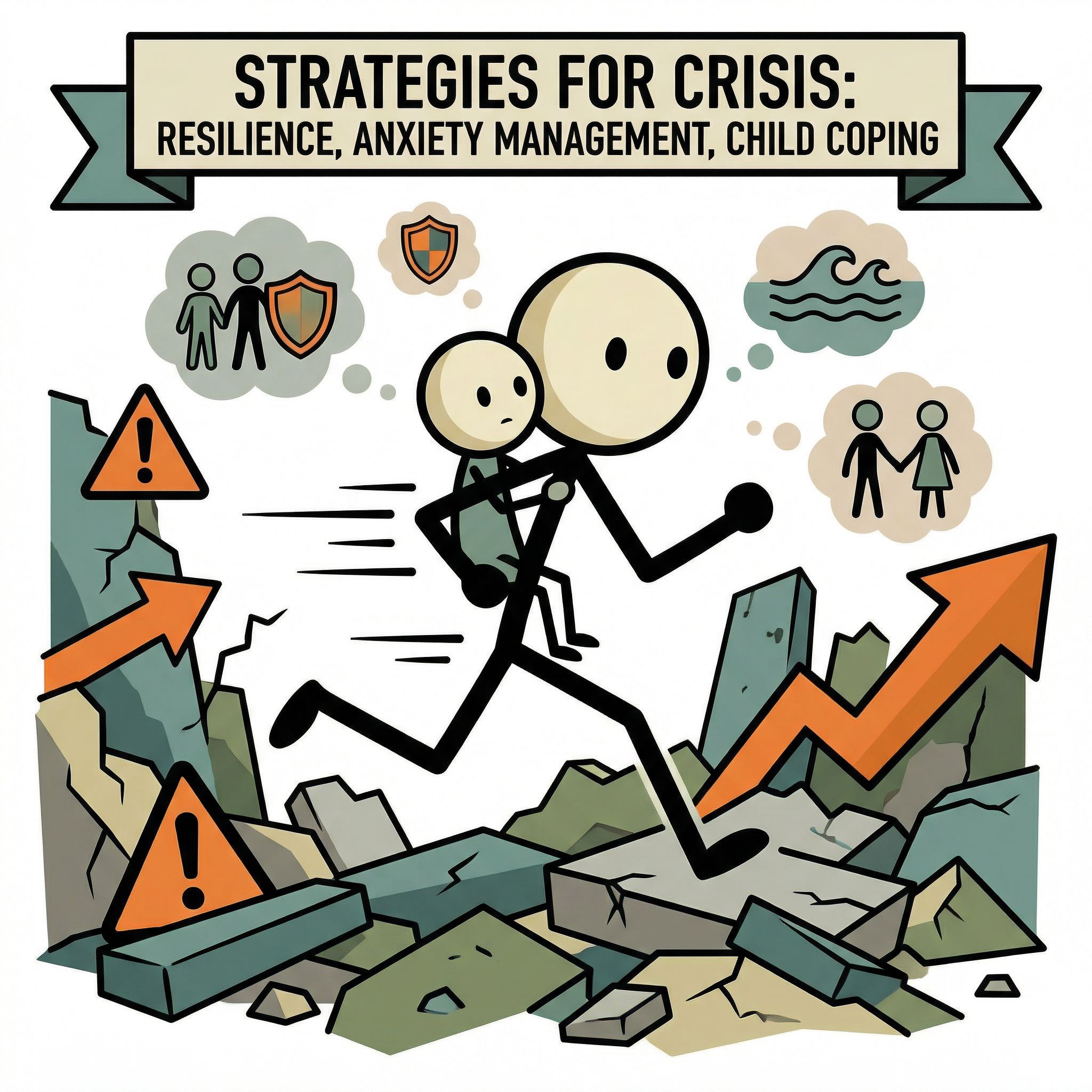
When the normal rhythms of life are violently disrupted by hurricanes, wildfires, or man-made crises, the psychological toll can be devastating. Fear, confusion, and panic are natural human responses to unnatural, life-threatening situations. However, allowing these emotions to dictate your actions can lead to poor decision-making when clarity is needed most. Maintaining psychological resilience is not about suppressing fear; it is about acknowledging that fear and functioning effectively despite it. It is about transforming panic into purpose. See the go-bag essentials.
This comprehensive guide provides actionable, data-backed strategies for maintaining mental clarity, managing personal anxiety, and helping vulnerable family members cope during catastrophic events. By integrating these practices into your overall survival strategy, you can ensure that when disaster strikes, you remain a pillar of strength, capable of leading yourself and your loved ones to safety. True survival requires both a prepared environment and a prepared mind. See the supply calculator.
The Invisible Threat: Understanding Crisis Anxiety
To effectively manage fear during an emergency, you must first understand what is happening inside your body. Coping with crisis anxiety begins with recognizing that your physiological reactions are hardwired survival mechanisms. When confronted with a sudden threat, your brain's amygdala—the emotional processing center—sounds the alarm. This triggers the sympathetic nervous system, flooding your body with adrenaline and cortisol. Your heart rate spikes, your breathing becomes shallow, and blood rushes to your major muscle groups.
This is the classic "fight, flight, or freeze" response. Biologically, it is designed to give you the explosive energy needed to escape a predator. However, in modern Survival Scenarioss, this physiological hijack can actually hinder your survival. High levels of cortisol can impair the prefrontal cortex, which is the part of your brain responsible for logical thinking, complex problem-solving, and emotional regulation. This impairment leads to tunnel vision, auditory exclusion, and an inability to process new information.
The CDC emphasizes that feeling overwhelmed, anxious, or numb during a disaster is a completely normal reaction to an abnormal situation. The danger arises when acute stress paralyzes you, preventing you from executing your emergency plans. Understanding this biological response is the first step in disarming it. When you feel your heart racing and your mind spinning, you can rationally tell yourself, "This is just my body preparing for action. I am in control."
The Difference Between Acute Stress and Trauma
It is vital to distinguish between normal acute stress and long-term trauma. Acute stress occurs in the immediate aftermath of a crisis. Symptoms include irritability, difficulty sleeping, hypervigilance, and racing thoughts. These are expected reactions and, for most people, they will naturally subside as the immediate threat diminishes and safety is re-established.
Trauma, however, occurs when the brain is unable to process the event, leading to long-term psychological impacts like Post-Traumatic Stress Disorder (PTSD). By actively managing acute stress in the moment, you drastically reduce the likelihood of it calcifying into chronic trauma. Effective coping mechanisms act as a psychological shock absorber, mitigating the impact of the crisis on your long-term mental health.
Psychological Preparedness Before the Storm
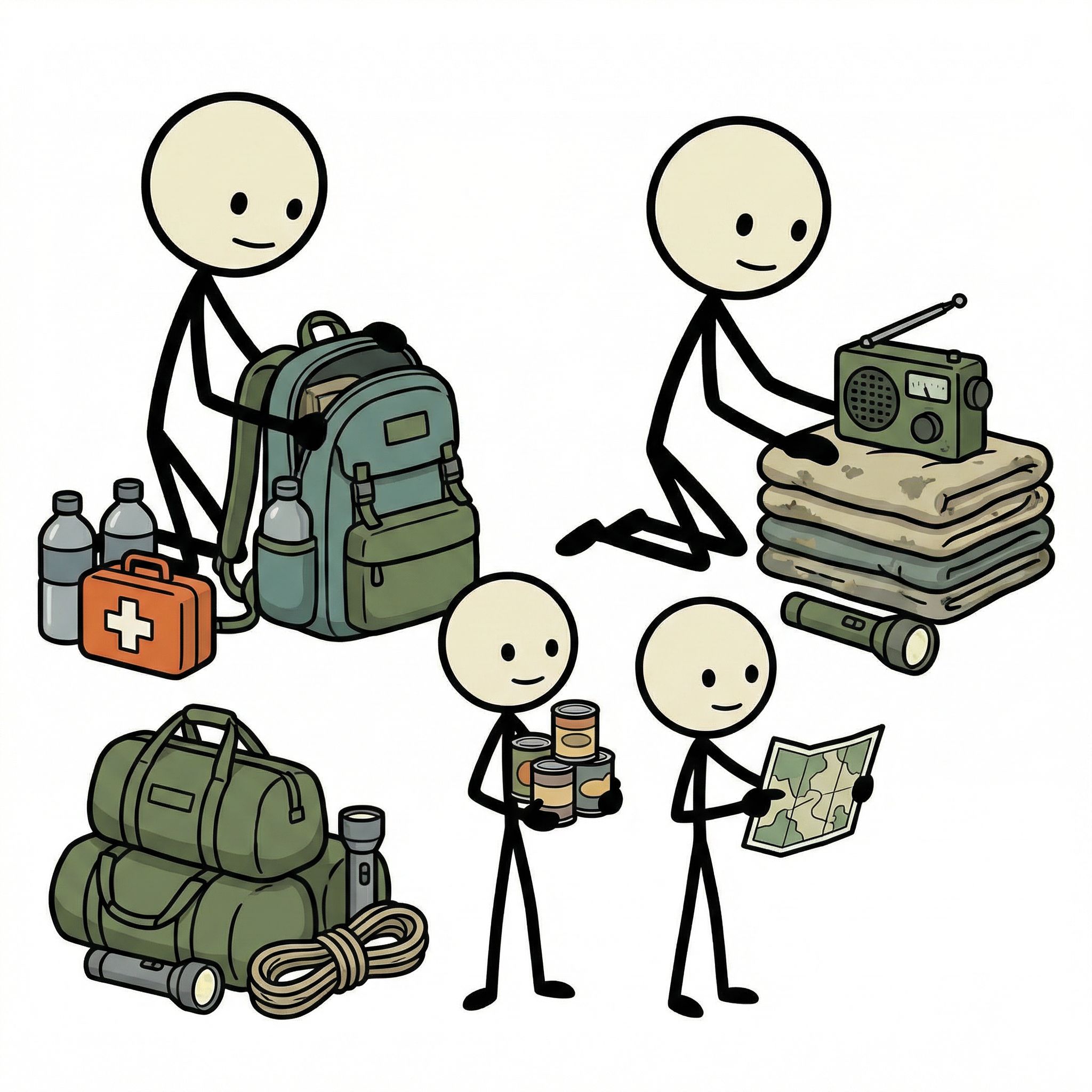
We do not rise to the level of our expectations; we fall to the level of our training. This age-old tactical adage applies just as much to mental health as it does to physical survival. Psychological preparedness involves mental rehearsal and proactive planning to reduce the cognitive load during an actual emergency. When a crisis hits, your brain will have limited bandwidth. The more decisions you have pre-made, the less likely you are to succumb to decision fatigue and panic.
FEMA strongly advocates for family emergency planning not just for logistics, but for peace of mind. Knowing exactly where you will go, how you will communicate, and what you will take removes massive amounts of uncertainty from the equation. Uncertainty breeds anxiety. By eliminating the unknown variables before a disaster strikes, you provide your mind with a structured framework to rely on when chaos erupts.
Stress Inoculation Training (SIT)
One of the most effective methods for building psychological resilience is Stress Inoculation Training (SIT). Originally developed for military and first responder applications, SIT involves exposing yourself to mild, manageable levels of stress to build tolerance for extreme stress. You can practice this in your own home through realistic emergency drills.
Do not just talk about a fire evacuation; physically practice it in the dark. Turn off the main breaker to your house for 24 hours to simulate a power grid failure. Practice cooking over a camp stove and navigating your home with flashlights. By safely experiencing the physical discomfort and inconvenience of an emergency, you train your brain to recognize the situation as manageable rather than catastrophic. When the real event occurs, your mind will recognize the scenario and default to the familiar, practiced routine.
Building a Mental Health Go-Bag
Every prepper knows the contents of a physical bug-out bag, but a comprehensive survival kit must also account for psychological needs. During an evacuation or a prolonged shelter-in-place scenario, comfort items can provide profound psychological grounding. This is especially true if you are managing the mental health of an entire family.
Your mental health toolkit should be integrated into your existing emergency supplies. Consider packing the following items specifically for psychological stabilization:
- Physical copies of important photos: Digital devices may fail, but family photos provide comfort and a reminder of what you are surviving for.
- Stress-relief tools: Items like stress balls, tactile fidget tools, or even a small notebook and pen for journaling can help channel nervous energy.
- Familiar scents: Olfactory memory is strongly linked to the brain's emotional center. A small vial of a familiar essential oil, like lavender or cedar, can trigger a calming physiological response.
- Extra prescription medications: The SAMHSA disaster guidelines stress the importance of having at least a 30-day backup supply of any psychiatric or anxiety medications to prevent dangerous withdrawal during a supply chain disruption.
- Books or offline entertainment: A deck of cards or a favorite paperback can provide a vital mental escape when sheltering in place for days on end.
Disaster Stress Management During an Event
When the crisis is actively unfolding, your primary goal is to keep your prefrontal cortex engaged. Disaster stress management is about utilizing immediate, tactical interventions to lower your heart rate and regain cognitive control. You cannot control the hurricane, the earthquake, or the civil unrest outside your door, but you have absolute control over your internal response to it.
The moment you realize an emergency is happening, your instinct may be to rush blindly into action. Instead, force yourself to take a "tactical pause." Taking three seconds to assess the situation before moving can prevent fatal mistakes. During this pause, utilize grounding techniques to anchor yourself in the present reality, rather than the catastrophic "what-ifs" spiraling in your mind.
Tactical Breathing and Grounding Techniques
Breath control is the fastest, most effective way to hack your nervous system and force your body out of the "fight or flight" state. Navy SEALs and elite first responders use a technique called "Box Breathing" to maintain calm under heavy fire. It is simple, requires no equipment, and can be done anywhere.
To practice Box Breathing, inhale deeply through your nose for a count of four. Hold that breath in your lungs for a count of four. Exhale slowly and completely through your mouth for a count of four. Hold your lungs empty for a count of four. Repeat this cycle four times. This specific rhythm stimulates the vagus nerve, which acts as a brake pedal for your sympathetic nervous system, physically forcing your heart rate to slow down.
If breathing exercises are not enough to stop racing thoughts, utilize the 5-4-3-2-1 sensory grounding method. This technique forces your brain to process immediate environmental data, pulling you out of an internal panic spiral. Name out loud:
- 5 things you can see (e.g., a sturdy table, a red backpack, a flashlight).
- 4 things you can physically feel (e.g., the texture of your jacket, the floor beneath your boots).
- 3 things you can hear (e.g., the wind howling, the hum of a radio).
- 2 things you can smell (e.g., rain, dust).
- 1 thing you can taste (e.g., a sip of water, a piece of gum).
Information Control and Media Consumption
In the modern era, one of the greatest threats to psychological stability during a crisis is the unrelenting barrage of information. While staying informed is crucial for survival, doomscrolling through social media or watching 24-hour news loops will rapidly deplete your mental resilience. Rumor mills thrive during disasters, and exposure to unverified, sensationalized information will only amplify your anxiety.
Practice strict information control. Rely solely on authoritative sources, such as NOAA Weather Radio, local emergency management broadcasts, or official USGS alerts. Set specific times to check for updates—for example, at the top of every hour—and then turn the devices off. Use the time in between to focus on actionable tasks. Action orientation—doing small, productive tasks like organizing supplies or fortifying your shelter—restores a sense of control and prevents the mind from wandering into despair.
Safeguarding Mental Health in Emergencies
The immediate danger may pass, but the aftermath of a disaster often brings a secondary wave of psychological challenges. Once the adrenaline crashes, survivors are frequently left facing exhaustion, grief, and the daunting reality of rebuilding. Safeguarding mental health in emergencies requires a sustained effort long after the sirens have stopped.
The American Red Cross utilizes a framework known as Psychological First Aid (PFA) to support survivors in the immediate aftermath of a crisis. You can apply these same principles to yourself, your family, and your neighbors. The core tenets of PFA do not involve deep psychotherapy; rather, they focus on establishing safety, fostering connections, and promoting self-efficacy.
Applying Psychological First Aid Principles
The first step in post-disaster mental health recovery is ensuring basic physical needs are met. It is nearly impossible to process emotional trauma if you are dehydrated, freezing, or starving. Prioritize securing shelter, clean water, and a warm meal. Once the physical baseline is established, focus on the following psychological steps:
- Establish Calm and Connection: Reach out to loved ones. The simple act of verifying the safety of family members drastically reduces cognitive burden. If communication networks are down, connect with neighbors. Community cohesion is one of the strongest predictors of psychological recovery.
- Promote Self-Efficacy: Trauma often leaves people feeling helpless. Counteract this by taking small, deliberate actions to improve your situation. Clear debris from your walkway, patch a broken window, or organize a neighborhood watch. Action is the antidote to despair.
- Maintain Sleep Hygiene: Sleep deprivation is a massive multiplier for anxiety and depression. While sleeping in a disaster zone is difficult, prioritize rest. Sleep in shifts if necessary for security, but ensure everyone gets uninterrupted cycles of sleep to allow the brain to process acute stress.
Recognizing When to Seek Professional Help
Resilience does not mean invulnerability. It is crucial to recognize when coping mechanisms are no longer sufficient and professional intervention is required. SAMHSA operates a year-round Disaster Distress Helpline specifically for this purpose, providing crisis counseling to people experiencing emotional distress related to natural or human-caused disasters.
Watch for red flags in yourself and your family members in the weeks following an event. If acute stress symptoms—such as severe insomnia, debilitating flashbacks, emotional numbness, or an inability to perform basic daily tasks—persist for more than a month, it may indicate the onset of PTSD. Seeking professional psychological support is a critical component of comprehensive emergency preparedness. Just as you would see a doctor for an infected wound, you must treat psychological injuries with the same level of seriousness.
Protecting the Vulnerable: Helping Kids During Disasters
Children are the most psychologically vulnerable demographic during a crisis. They lack the life experience, contextual understanding, and emotional vocabulary to process catastrophic events. Helping kids during disasters requires a deliberate, empathetic, and highly structured approach. Children look to the adults in their lives to gauge how dangerous a situation truly is. If you project panic, they will internalize that panic. If you project calm, calculated control, they will feel secure even in the midst of chaos.
The National Child Traumatic Stress Network (NCTSN) emphasizes that children process trauma differently depending on their developmental stage. Recognizing these age-specific reactions allows you to tailor your support and intervene effectively before acute stress turns into lasting trauma.
Understanding Age-Specific Reactions
Infants and toddlers (ages 0-5) cannot verbalize their fears, so their anxiety manifests behaviorally. You may see severe regression, such as bedwetting, thumb-sucking, or a sudden loss of speech skills. They may become intensely clingy or experience severe separation anxiety. For this age group, physical comfort is paramount. Hold them, speak in a low, soothing voice, and shield them entirely from the physical sights and sounds of the disaster whenever possible.
School-aged children (ages 6-12) understand that something terrible is happening but may not grasp the full context. They often experience somatic complaints, such as unexplained stomachaches or headaches. They might repeatedly ask the same questions about the event, seeking reassurance. They may also act out aggressively or withdraw completely. It is crucial to answer their questions honestly but simply, without providing terrifying details.
Teenagers (ages 13-18) process disasters much like adults, but with less emotional regulation. They may exhibit extreme anger, engage in risky behaviors, or completely isolate themselves. They might feel a heavy burden of responsibility to "fix" the situation or protect the family. Engage teenagers by giving them meaningful, age-appropriate responsibilities. Treat them as active participants in the family's survival plan, which builds their self-esteem and gives them a sense of control.
Age-Appropriate Communication Strategies
Silence is not protective. If you do not explain what is happening, a child's imagination will invent a scenario far worse than reality. When discussing the crisis, use clear, simple language. Avoid euphemisms that might cause confusion. For example, instead of saying "the house went to sleep," say "the storm broke the power lines, but we have flashlights and we are safe."
Limit their media exposure completely. The APA warns that repeated exposure to disaster footage on television or social media can cause secondary trauma in children. They do not understand that a news loop is replaying the same event; they may believe the disaster is happening over and over again. Keep the news off when children are in the room.
Employ the wisdom of the late Fred Rogers, who famously advised children during scary news events to "look for the helpers." Point out the first responders, the utility workers, and the neighbors helping one another. Shifting their focus from the destruction to the people working to fix it restores their faith in safety and humanity.
Maintaining Routine and Structure
Disasters strip away the predictable routines that make children feel safe. To combat this, you must artificially construct a new routine as quickly as possible. Even in a shelter or an evacuation hotel, establish a strict schedule for waking up, eating meals, and going to sleep. Predictability is the cornerstone of psychological safety for kids.
Assign them jobs. Giving a child a specific task—whether it is keeping the family dog calm, organizing the flashlight batteries, or drawing a picture for a neighbor—gives them a sense of purpose. It shifts them from the role of a helpless victim to an active survivor. Praise their efforts extensively. Let them know that their contribution is vital to the family's well-being.
Finally, encourage them to express their feelings through play or art. Children often cannot articulate complex trauma, but they can draw it or act it out with toys. Do not discourage this; it is a healthy, natural way for their brains to process overwhelming events. Sit with them, observe their play, and offer gentle reassurance that they are safe now.
The Ultimate Survival Tool is Resilience
Physical preparedness keeps you alive, but psychological preparedness determines how you live through the aftermath. Disasters will inevitably bring chaos, fear, and profound disruption, but they do not have to break you. By understanding the biological roots of crisis anxiety, proactively building a mental health toolkit, and utilizing tactical grounding techniques, you can maintain the clarity needed to lead your family through the darkest moments.
Remember that psychological resilience is not an inherent trait; it is a muscle that must be trained, flexed, and maintained. Safeguarding mental health in emergencies is an active, ongoing process. By extending that same structured, empathetic care to the children and vulnerable individuals in your group, you forge a collective strength that can withstand any storm. Equip your mind with the same dedication you apply to your gear, and you will face whatever the future holds with unwavering confidence and control.
Frequently Asked Questions
How can I manage my own anxiety during a sudden emergency?
Focus on actionable steps you can control, limit your exposure to continuous news coverage, practice deep breathing exercises, and try to maintain a basic routine to ground yourself.
What is the best way to talk to children about a disaster?
Provide brief, honest, and age-appropriate facts. Reassure them that adults are actively working to keep them safe, and encourage them to express their fears and ask questions.
What are common signs of disaster-related stress in kids?
Watch for behavioral changes such as unusual clinginess, sleep disturbances, unexplained headaches or stomachaches, withdrawal from friends, or regression to earlier behaviors like bedwetting.
What should I pack in an emergency comfort kit for mental health?
Include items that provide distraction and grounding, such as a favorite toy or blanket for kids, coloring books, a journal, stress balls, family photos, and a list of emergency contacts.
When should I seek professional mental health support after a crisis?
You should seek professional help if feelings of overwhelming anxiety, depression, or sleep disruption persist for more than two to four weeks and interfere with your daily functioning.
Sources & Further Reading
- https://www.ready.gov/coping-disaster
- https://www.cdc.gov/childrenindisasters/helping-children-cope.html
- https://www.redcross.org/get-help/disaster-relief-and-recovery-services/recovering-emotionally.html
- https://www.samhsa.gov/find-help/disaster-distress-helpline
- https://www.fema.gov/press-release/20210318/helping-children-cope-disasters
If you want a full mental resilience framework, start with the Survival Psychology course to train decision-making under stress before the next crisis.
Related resource: Family & Community Resilience Course.
Related resource: Family Emergency Planning Guide.