⚡ Key Facts
- Supply Chain Vulnerability: According to the Federal Emergency Management Agency (FEMA), global supply chains can take up to 18 months to fully stabilize following a severe, multi-region biological event.
- Quarantine Duration: The Centers for Disease Control and Prevention (CDC) notes that effective home isolation for novel respiratory pathogens typically requires a minimum of 10 to 14 days of strict separation.
- Mental Health Impact: Research from the World Health Organization (WHO) revealed a 25% increase in the global prevalence of anxiety and depression during the first year of the COVID-19 pandemic, highlighting the critical need for psychological preparedness.
- Air Quality Control: The Environmental Protection Agency (EPA) states that portable HEPA air purifiers can capture up to 99.97% of airborne particles, drastically reducing viral transmission risks within shared households.
- Medical Buffers: The American Red Cross recommends maintaining a continuous 30- to 90-day supply of essential prescription medications to weather sudden pharmacy closures or drug manufacturing shortages.
When the world abruptly halted in early 2020, the vulnerabilities of modern society were laid bare. Global supply chains fractured, healthcare systems strained under unprecedented pressure, and millions of households realized they were entirely unequipped for an extended lockdown. The COVID-19 pandemic was a harsh, generational stress test. However, it also provided us with an invaluable blueprint. We now possess hard data and real-world experience detailing exactly what works—and what fails—during a global biological crisis. You cannot predict when the next novel pathogen will cross over into the human population, but you have absolute control over your readiness. By transitioning from reactive panic to proactive, evidence-based planning, you can shield your household from the chaos of the next outbreak. Learn more in the survival scenarios library. See the go-bag essentials checklist for step-by-step details.
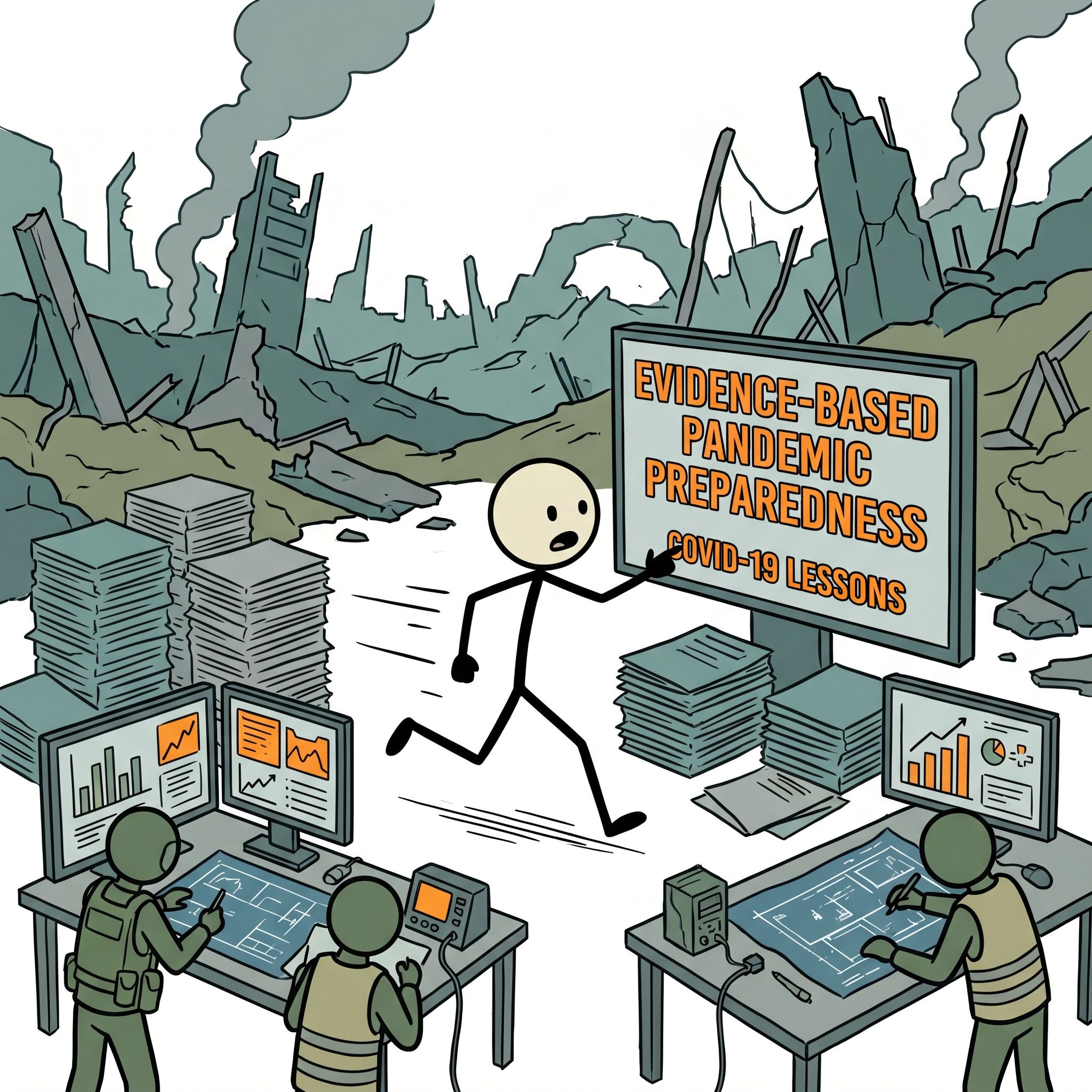
Modern infectious disease emergency prep is no longer about hoarding toilet paper or operating out of fear. It is a highly strategic, methodical approach to household resilience. It encompasses everything from optimizing indoor air quality and managing medical supplies to fortifying your digital infrastructure and protecting your family's mental well-being. This comprehensive guide synthesizes the hard-won lessons of the COVID-19 era with current directives from leading emergency management agencies. The goal is simple: to equip you with an authoritative, science-backed framework so that when the next health emergency strikes, your primary focus can remain on your family’s health, safety, and comfort. Learn more in the Protocol Survival app plans. See the go-bag builder tool for step-by-step details.
The Evolution of Disease Outbreak Preparedness
Historically, pandemic planning was largely relegated to government agencies and public health institutions. COVID-19 definitively proved that the true front line of disease outbreak preparedness is the individual household. When hospitals reach capacity and local governments mandate shelter-in-place orders, your home must instantly transform into a sanctuary, a quarantine facility, a school, and an office. Learn more in the family emergency plan guide. See the supply calculator for step-by-step details.
The core lesson from recent years is the fragility of "just-in-time" logistics. Grocery stores and pharmacies operate on razor-thin inventory margins, meaning a sudden spike in consumer demand can strip shelves bare in a matter of hours. Evidence-based preparedness counters this vulnerability through the principle of "buffer building." By gradually establishing buffers of critical supplies, medications, and financial resources, you insulate yourself from the immediate shockwaves of an outbreak. This approach is heavily endorsed by FEMA and the CDC, which continually stress that civilian self-sufficiency directly reduces the burden on critical infrastructure during a crisis.
Strategic Stockpiling: Curating Pandemic Survival Supplies
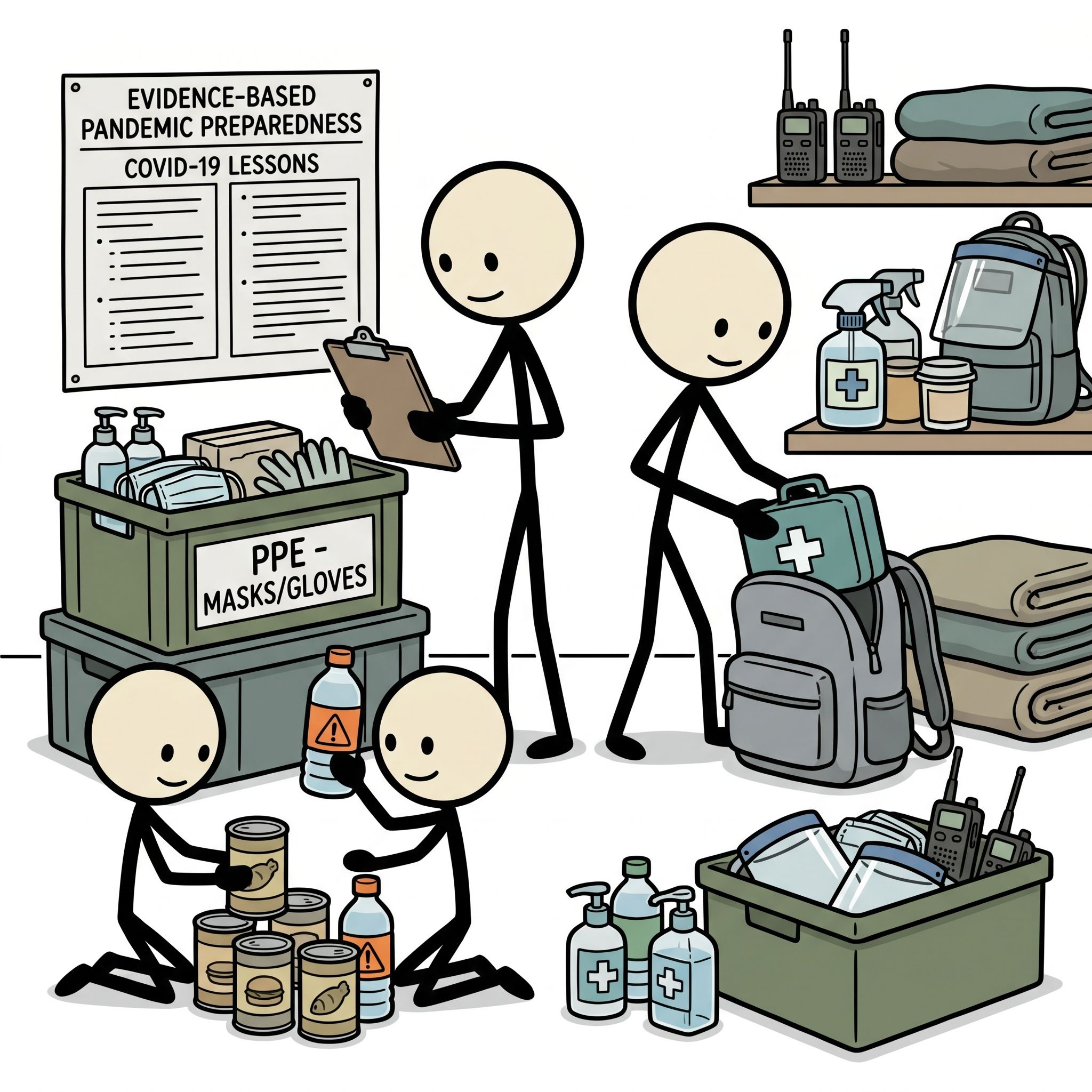
Effective stockpiling is not about filling a basement with items you will never use. It is about creating a dynamic, rotating inventory of high-utility goods. Your pandemic survival supplies must sustain your household for a minimum of two to four weeks without any outside assistance, allowing you to bypass the dangerous, crowded environments of early-stage panic buying.
Nutritional Resilience and Hydration
FEMA recommends maintaining at least a 14-day supply of non-perishable food, but for pandemic scenarios where lockdowns may extend, a 30-day buffer is optimal. Focus on nutrient-dense foods that require minimal preparation and no refrigeration. Canned proteins (chicken, tuna, beans), complex carbohydrates (rice, oats, pasta), and essential fats (olive oil, peanut butter) should form the foundation of your pantry. Crucially, practice "first-in, first-out" (FIFO) rotation so your supplies remain fresh and integrated into your normal diet.
While biological events rarely disrupt municipal water supplies the way earthquakes or hurricanes do, secondary disruptions (such as water treatment plant staffing shortages) are possible. The CDC and the United States Geological Survey (USGS) advise storing one gallon of Water Calculator, per day. For a family of four over 14 days, this equates to 56 gallons. Supplement this with reliable water filtration methods, such as gravity-fed microfiltration systems or chemical purification tablets, as a fail-safe.
Advanced Sanitation and Infection Control
Infection control at home requires specific, scientifically validated supplies. COVID-19 taught us that not all masks and cleaners are created equal. Your inventory should include:
- High-Filtration Respirators: Maintain a stockpile of NIOSH-approved N95 or KN95 respirators. Cloth masks are insufficient against highly transmissible aerosolized pathogens.
- EPA List N Disinfectants: Stock up on cleaning agents specifically approved by the EPA to kill emerging viral pathogens. If commercial supplies fail, remember the CDC's formula for a DIY bleach solution: 1/3 cup of unscented household bleach per gallon of room temperature water (mixed fresh daily).
- Personal Hygiene: Hand sanitizer containing at least 60% alcohol (CDC guideline), antibacterial soap, heavy-duty trash bags for biohazard waste, and yes, a reasonable, 30-day reserve of toilet paper and paper towels.
- Nitrile Gloves: Essential for handling contaminated laundry, waste, or providing care to a sick household member.
Architecting the Optimal Home Quarantine Setup
If a highly infectious pathogen breaches your household, your immediate objective is to prevent it from infecting the rest of the family. A proper home quarantine setup requires pre-planning the spatial dynamics of your living environment. You must establish distinct "Clean Zones" and "Isolation Zones" before the need arises.
Designating the Isolation Room
Select a room with a door that closes securely and, ideally, an en-suite bathroom. This will serve as your isolation room. According to CDC guidelines, the sick individual should remain in this room at all times. If a separate bathroom is not available, establish strict protocols for shared use: the healthy individuals use it first, the sick individual uses it last, and the space is heavily ventilated and disinfected after every use by the infected person.
Mastering Indoor Airflow and Ventilation
COVID-19 emphasized the critical role of aerosol transmission. Managing the air in your home is just as important as wiping down surfaces. The American Society of Heating, Refrigerating and Air-Conditioning Engineers (ASHRAE) recommends upgrading your HVAC system with MERV-13 filters, which are highly effective at trapping virus-laden respiratory droplets.
If you have an infected person in the home, you must manipulate the airflow to prevent contaminated air from drifting into the Clean Zones. Keep the isolation room door closed. If weather permits, open a window in the isolation room and place a box fan facing outward to exhaust the contaminated air outside. Place a portable HEPA air purifier inside the isolation room, running continuously, to scrub the air of viral particles. Additionally, seal the gap under the isolation room door with a rolled-up towel to prevent drafts from carrying the virus into hallways.
Contactless Care and Waste Management
Caring for a sick family member requires strict protocols to protect the caregiver. Meals should be left outside the isolation room door. When retrieving empty dishes, the caregiver must wear an N95 mask and gloves, washing the dishes immediately in hot, soapy water or a dishwasher on the sanitize cycle. All waste generated by the sick individual (tissues, masks, food scraps) should be placed in a dedicated, lined trash can inside the room. The sick person should tie the bag shut before the caregiver removes it from the room.
Medication Management and Advanced First Aid
During a severe pandemic, access to primary care physicians, urgent care clinics, and pharmacies will be severely bottlenecked. Emergency rooms will be overwhelmed and highly contagious. Therefore, managing mild to moderate symptoms at home is a critical component of infectious disease emergency prep.
Building a Prescription Buffer
The disruption of active pharmaceutical ingredients (APIs), many of which are manufactured overseas, can lead to sudden drug shortages. Work with your healthcare provider and insurance company to secure a 90-day supply of all essential daily medications (blood pressure meds, insulin, asthma inhalers, antidepressants). If your insurance strictly limits 30-day refills, consider paying out-of-pocket for one month's supply to establish your buffer, then resume your normal refill schedule.
Over-the-Counter Symptom Management
Your pandemic medical kit should be heavily weighted toward managing severe respiratory infections, high fevers, and gastrointestinal distress. Ensure you have ample, unexpired supplies of:
- Antipyretics and Analgesics: Acetaminophen and ibuprofen to manage high fevers and body aches.
- Respiratory Aids: Expectorants (guaifenesin) to break up mucus, and cough suppressants (dextromethorphan) to allow for restful sleep.
- Gastrointestinal Relief: Anti-diarrheal medications (loperamide) and anti-emetics to manage vomiting.
- Hydration Multipliers: Oral rehydration salts (ORS) formulated to WHO standards. Severe viral infections rapidly deplete electrolytes, and water alone is not enough to rehydrate a feverish patient.
Diagnostic Medical Devices
Early detection of deteriorating health can save a life. Every household must have a high-quality digital thermometer and a fingertip pulse oximeter. A pulse oximeter measures the oxygen saturation of the blood. As we learned from COVID-19, "silent hypoxia" can occur, where a patient's oxygen levels drop dangerously low before they feel severely short of breath. Knowing how to use this device—and understanding that a reading consistently dropping below 94% generally warrants medical intervention—is a vital piece of your preparedness strategy.
Remote Work Prep and Digital Resilience
A hallmark of modern pandemics is the immediate transition to remote work and distance learning. The abrupt shift in 2020 caught millions off guard, leading to lost productivity, strained relationships, and immense frustration. Preparing your digital infrastructure ensures continuity of income and education during a prolonged shelter-in-place order.
Bandwidth and Redundancy
Your home internet connection is your lifeline to the outside world. When entire neighborhoods simultaneously log onto video conferences, local bandwidth can throttle. To mitigate this, hardwire critical devices directly to your router using Ethernet cables rather than relying solely on Wi-Fi. More importantly, establish a redundant connection. Invest in a dedicated cellular mobile hotspot or ensure your smartphone data plan includes substantial tethering capabilities, providing a backup if your primary ISP goes down.
Power Continuity
Digital resilience relies entirely on electrical power. Brownouts or localized grid failures during a lockdown can sever your connection to work and emergency alerts. Equip your home office with an Uninterruptible Power Supply (UPS). A UPS acts as a battery backup for your router, modem, and computer, providing enough time to save your work and safely shut down during an outage, or keeping your internet active during short disruptions. For longer-term power resilience, consider portable lithium-ion power stations paired with foldable solar panels.
Ergonomics and Psychological Boundaries
Working from the kitchen table is not sustainable for a multi-month lockdown. Dedicate a specific area of your home exclusively for work. Invest in ergonomic seating and proper monitor heights to prevent physical strain. Just as importantly, establishing physical boundaries helps maintain psychological boundaries. When the workday ends, leave the designated workspace. This separation is crucial for preventing burnout when your home functions as your entire world.
Mental Health and Psychological First Aid
The psychological toll of a pandemic is often as devastating as the physiological one. Prolonged isolation, fear of illness, financial uncertainty, and the relentless barrage of negative news create a perfect storm for anxiety and depression. Incorporating psychological resilience into your pandemic preparedness guide is not optional; it is a fundamental survival strategy.
Combating Isolation with Structure
The human brain thrives on predictability. When a lockdown strips away your daily commute, gym sessions, and social gatherings, you must aggressively engineer a new routine. Wake up at the same time every day. Dress as if you are leaving the house. Schedule specific times for work, meals, exercise, and leisure. This structure provides a psychological anchor in a sea of uncertainty.
Media Diets and Information Hygiene
During a crisis, "doomscrolling" severely degrades mental health. While staying informed is vital, consuming a 24/7 stream of sensationalized news triggers a constant state of hyperarousal in the nervous system. Implement strict information hygiene. Limit your news consumption to twice a day, and source your information exclusively from high-signal, low-noise sources such as official CDC briefings, WHO updates, or local public health department dashboards.
Psychological First Aid (PFA)
Familiarize yourself with the principles of Psychological First Aid. This evidence-informed approach helps you support family members experiencing acute stress. The core tenets involve establishing safety, providing calm and compassionate presence, facilitating connection to social supports, and instilling hope. Ensure your prep includes "morale boosters"—board games, physical books, craft supplies, and favorite comfort foods. Never underestimate the power of a small, positive distraction during a protracted crisis.
Building Community Support Systems
A common misconception in emergency preparedness is the "lone wolf" survivalist myth. In reality, isolated individuals are the most vulnerable during a long-term crisis. The COVID-19 pandemic demonstrated that mutual aid networks, neighborhood pods, and community solidarity were the true lifelines for the elderly, immunocompromised, and economically impacted.
Mapping Neighborhood Vulnerabilities and Assets
Before a crisis hits, take the time to know your neighbors. Map out the vulnerabilities and assets within your immediate block or apartment building. Who is elderly and might need groceries delivered if it becomes too dangerous to go to the store? Who has medical training? Who owns a generator or a chainsaw? Understanding the human capital around you allows for rapid, coordinated responses when municipal emergency services are overwhelmed.
Establishing Alternative Communication Trees
If traditional communication networks become congested, you need alternative ways to stay in touch with your local support system. Create neighborhood chat groups using encrypted apps like WhatsApp or Signal. For situations where cellular networks fail, consider investing in GMRS (General Mobile Radio Service) two-way radios. Establishing a neighborhood radio check-in protocol ensures that even in a total grid-down pandemic scenario, you can coordinate welfare checks and resource sharing.
The Power of Mutual Aid
Mutual aid is the voluntary, reciprocal exchange of resources and services for mutual benefit. By pooling resources—such as buying bulk staple foods together, sharing the cost of expensive medical supplies, or taking turns bulk-cooking meals for sick neighbors—communities can vastly extend their collective runway. Preparedness is not a competition; your safety is intrinsically linked to the health and stability of the community surrounding you.
Synthesizing Your Pandemic Preparedness Guide
Transforming this information into action requires a methodical approach. Do not attempt to buy everything or build every system in a single weekend. That leads to financial strain and the exact type of panic buying we aim to avoid. Instead, treat this disease outbreak preparedness strategy as a 30-day integration plan.
- Week 1: Inventory and Assessment. Take stock of what you already have. Check expiration dates on medications and canned goods. Identify the best room in your home to serve as a quarantine zone.
- Week 2: Supply Acquisition. Begin building your 30-day buffer. Add a few extra non-perishable items to each grocery run. Purchase N95 masks, EPA-approved disinfectants, and essential medical tools like a pulse oximeter.
- Week 3: Infrastructure and Digital Prep. Upgrade your home's air filters to MERV-13. Test your internet redundancy. Secure a UPS for your home office. Organize your physical workspace for long-term remote work.
- Week 4: Community and Mental Health. Establish your daily lockdown routine. Have conversations with your neighbors about mutual aid. Set up your alternative communication apps and discuss the psychological game plan with your family.
The lessons of the past few years were paid for at an incredibly high cost. Honoring those lessons means taking concrete steps today to ensure we are never caught off guard again. True preparedness is not rooted in paranoia; it is rooted in profound responsibility and love for your family. By systematically stockpiling the right supplies, engineering a safe quarantine space, securing your medical and digital lifelines, and fostering community resilience, you transform your home into an impenetrable fortress of health and stability. When the next biological threat emerges, you will not be reacting to the chaos—you will be executing a well-crafted plan, secure in the knowledge that you are ready for whatever comes next.
Frequently Asked Questions
What supplies should I stockpile for a pandemic?
Stock 90 days of prescription medications, N95/KN95 respirators (a box of 25 per household member), nitrile gloves, hand sanitizer, disinfecting wipes, a pulse oximeter, thermometers, OTC fever reducers, 2-week supply of food, and a full first aid kit.
How do I set up a home quarantine room?
Designate a bedroom with an attached bathroom if possible. Stock it with hand sanitizer, masks, disinfectant spray, tissues, thermometer, medications, entertainment, and water. Establish a protocol for meal delivery and mask use in shared spaces.
What is the most overlooked aspect of pandemic preparedness?
Mental health resilience. Isolation, fear, economic stress, and grief compound in long pandemics. Build coping infrastructure before it's needed: reliable internet, virtual social routines, mental health resources, and books, games, and creative outlets.
Sources & Further Reading
- WHO Pandemic Preparedness
- CDC Emergency Preparedness Disease Outbreak
- FEMA Pandemic Preparedness
- Johns Hopkins Center for Health Security