⚡ Key Facts
- The PETS Act Mandate: Following the tragic loss of animal life during Hurricane Katrina, the federal PETS Act of 2006 was passed, requiring state and local emergency response plans to accommodate households with pets and service animals.
- Microchipping Saves Lives: According to the American Society for the Prevention of Cruelty to Animals (ASPCA), microchipped dogs are more than twice as likely to be returned to their owners, and microchipped cats are over 20 times more likely to be reunited with their families after a disaster.
- Supply Guidelines: The Centers for Disease Control and Prevention (CDC) and the Federal Emergency Management Agency (FEMA) strongly recommend maintaining a minimum of three to seven days' worth of food, water, and essential medications for each pet in your household.
- Water Requirements: A general rule of thumb for canine and feline hydration during an emergency is one ounce of water per pound of body weight per day, though stress and extreme heat can increase this requirement significantly.
- Preparedness Gap: Despite the risks, FEMA surveys indicate that nearly half of American pet owners do not have a dedicated pet disaster plan or a ready-to-go emergency kit for their animals.
When the sky darkens, the floodWater Calculators rise, or the wildfire evacuation order comes through, your primary focus is keeping your family safe. For millions of Americans, that family includes dogs, cats, birds, and other beloved animals. Yet, in the chaos of a sudden crisis, well-intentioned owners often find themselves scrambling to gather pet supplies, locate hidden cats, or figure out which emergency shelters will actually accept their furry companions. History has shown us that leaving pet emergency preparedness to the last minute can result in tragic separations. During Hurricane Katrina, an estimated 104,000 pets were left behind, prompting a massive overhaul in how federal and local agencies handle animals in disasters. For a quick definition, see prepping.
For a broader playbook, use our community emergency preparedness guide to turn these steps into a practical plan.
Today, the landscape of disaster response has vastly improved, but the ultimate responsibility for your animal’s safety rests in your hands. Disasters are inherently unpredictable, but your response to them does not have to be. A robust pet disaster plan ensures that when seconds count, you aren’t wasting time searching for leashes, vaccination records, or specialized food. By proactively organizing a pet go bag, mapping out safe havens, and understanding the logistics of evacuating with pets, you take control of the situation. See our family emergency plan for practical steps.
This comprehensive guide will walk you through every critical phase of pet emergency preparedness. From the administrative foundation of microchipping and documentation to the psychological triage required to keep a panicked animal calm, you will learn how to build a resilient, actionable strategy. Preparedness is not about giving into fear; it is about empowerment. When you have a plan in place, you can face the unexpected with clarity, confidence, and the assurance that your entire family—two-legged and four-legged alike—will weather the storm together. See our go-bag builder for practical steps.
The Foundation of Your Pet Disaster Plan: Identification and Documentation
Before you pack a single can of food or buy a new travel carrier, you must secure the foundational elements of your pet disaster plan: identification and documentation. In the aftermath of a severe earthquake, hurricane, or wildfire, physical landscapes are altered, and pets can easily become disoriented and separated from their owners. Proper identification is the single most effective tool for ensuring a swift reunion. See our go-bag essentials checklist for practical steps.
The Lifesaving Power of Microchipping
While a sturdy collar with visible ID tags is mandatory, it is not foolproof. Collars can snag on debris, slip off during a panic, or be removed. A microchip, however, provides permanent, unalterable identification. Implanted just beneath the skin between the shoulder blades, this tiny device—about the size of a grain of rice—contains a unique identification number that can be read by scanners used at veterinary clinics and animal shelters nationwide. See our survival scenarios for practical steps.
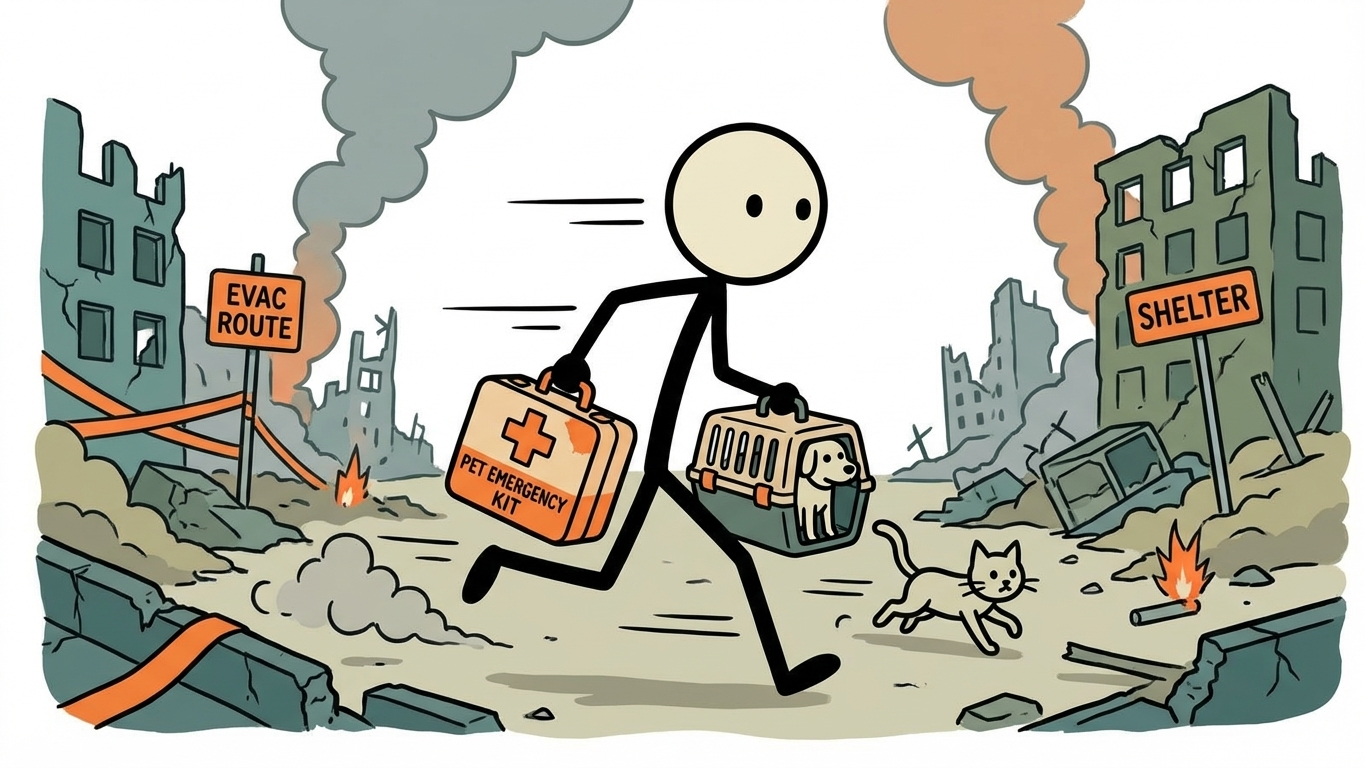
However, a microchip is only as useful as the data connected to it. A common and heartbreaking scenario in disaster recovery zones is a rescued animal with a microchip that leads to a disconnected phone number or a previous address. You must proactively register the microchip with the manufacturer’s database and ensure your contact information is current. Include your cell phone number, email address, and the contact information of an out-of-state emergency proxy who can be reached if local communication networks fail. See our Protocol Survival app for practical steps.
Building a Physical and Digital Pet Dossier
During a large-scale evacuation, you may need to cross state lines, enter a co-located emergency shelter, or board your pet at a temporary facility. Almost all of these safe havens will require proof of ownership and up-to-date medical records. To streamline this process, you need to create a comprehensive pet dossier. This should exist in two formats: a physical copy stored in a waterproof bag, and a digital copy saved on a USB drive and backed up to a secure cloud service. See our emergency food storage guide for practical steps.
Your pet dossier should include a copy of their current rabies certificate and a summary of all recent vaccinations. Include a detailed medical history, especially if your pet has chronic conditions like diabetes, epilepsy, or a heart murmur, along with a list of current medications and exact dosages. You should also write down your veterinarian’s contact information, as well as the number for a national poison control center.
Crucially, include several recent, high-quality photographs of your pet. Take photos from the front, left side, and right side, ensuring any unique markings are clearly visible. Additionally, include a photograph of you and your pet together. In the chaotic aftermath of a disaster, if animal control or a rescue organization recovers your pet, a photo of the two of you together serves as undeniable proof of ownership, preventing administrative delays in getting your animal back.
Assembling Your Pet Go Bag: The Ultimate Emergency Kit for Pets
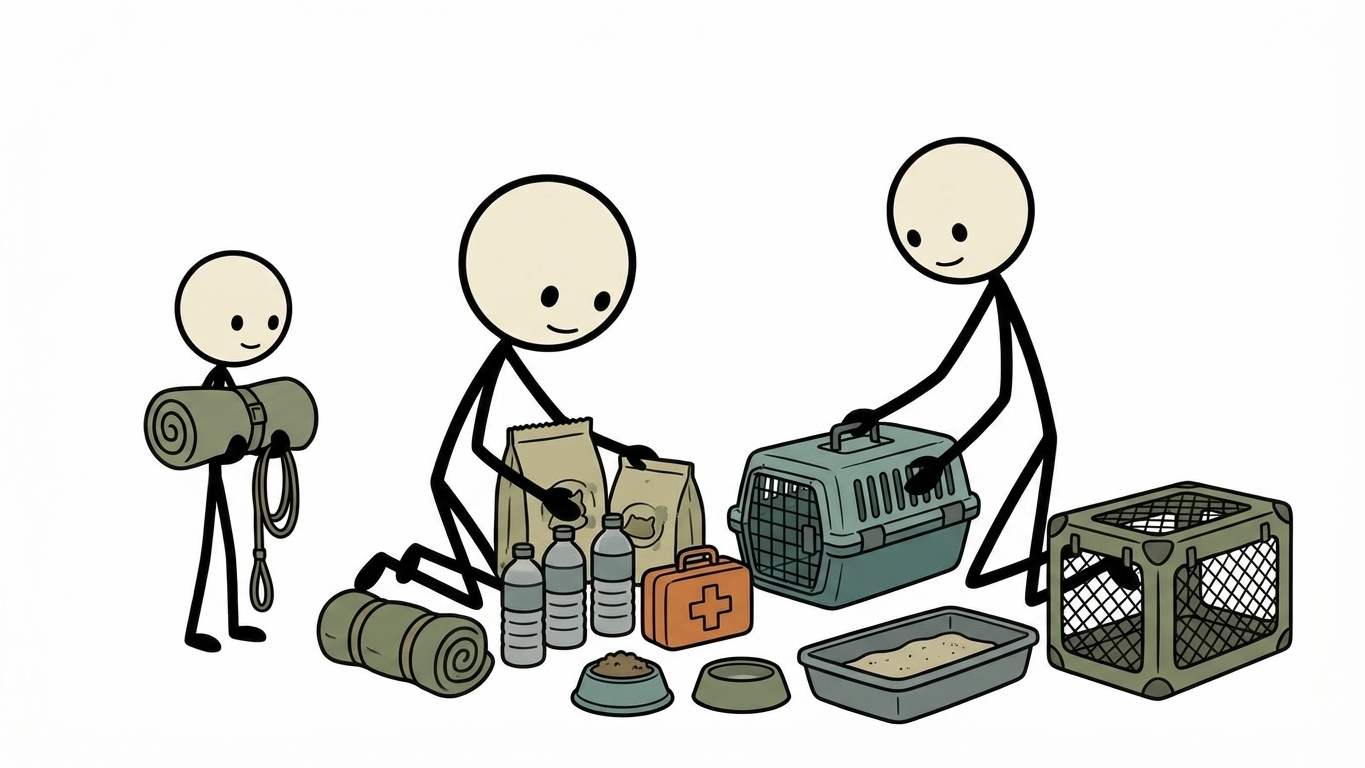
When an evacuation order is issued, you may have only minutes to leave your home. You will not have time to scoop kibble into plastic bags or search the medicine cabinet for your dog’s heartworm pills. A dedicated pet go bag is an absolute necessity. This emergency kit for pets should be stored in an accessible location—such as a front hall closet or near the garage door—right next to your family’s human go-bags.
Nutrition and Hydration Essentials
The CDC and FEMA recommend packing a minimum of three to seven days' worth of food and water for each pet. When selecting food for your pet go bag, prioritize items that do not require refrigeration. If your pet eats canned food, ensure you pack cans with pop-top lids, or include a manual can opener in the bag. If they eat dry kibble, store it in airtight, waterproof containers or heavy-duty vacuum-sealed bags to prevent spoilage and keep pests out. Because fats in pet food can go rancid, set a calendar reminder to rotate the food in your go-bag every six months.
Water is just as critical as food. Do not assume that emergency shelters will have enough clean water to spare for animals, or that local tap water will be safe to drink following a flood or earthquake. Calculate your pet’s water needs based on the standard rule of one ounce of water per pound of body weight per day, and pack accordingly. Include collapsible, silicone food and water bowls; they are lightweight, easy to clean, and take up minimal space in your pack.
Health, Hygiene, and First Aid
An emergency kit for pets must account for their medical and sanitation needs. Pack a two-week Supply Calculator of any prescription medications your pet requires, stored in a waterproof container. The stress of a disaster can exacerbate underlying health issues, so having a buffer of medication is vital if veterinary clinics are closed or supply chains are disrupted. Additionally, include a month’s supply of flea, tick, and heartworm prevention, as disasters often force pets into environments with high parasite loads, such as standing floodwaters or crowded shelters.
Build a pet-specific first aid kit. While some items overlap with human kits, pets require specific supplies. Include self-adhering bandage rolls (vet wrap) which won't stick to fur, non-stick sterile gauze pads, heavy-duty tweezers for tick or debris removal, a digital rectal thermometer, and canine/feline-safe wound wash or saline solution. Never administer human pain medications like ibuprofen or acetaminophen to pets, as they are highly toxic; consult your vet about appropriate emergency pain relief to keep on hand.
Sanitation is a major logistical hurdle when evacuating with pets. For cats, pack a small, disposable aluminum roasting pan to serve as a makeshift litter box, a small scoop, and a sealed bag of their preferred litter. For dogs, pack an ample supply of heavy-duty waste bags and a few puppy training pads. Training pads are incredibly versatile; they can line carriers, absorb spills in the car, or serve as an indoor relief area if severe weather makes it too dangerous to take your dog outside.
Comfort, Restraint, and Containment Items
Disasters are terrifying for animals. Familiar scents and objects can provide a profound sense of grounding. Include a favorite toy, a familiar-smelling blanket, or even an unwashed t-shirt that smells like you. These comfort items can significantly reduce anxiety when your pet is confined to a carrier or a strange shelter environment.
For restraint, pack a backup collar with ID tags and a sturdy, non-retractable leash. Retractable leashes are dangerous in emergency situations; they offer poor control, can easily snap, and can cause severe friction burns. A slip lead is an excellent addition to your pet go bag, as it can be quickly looped over a panicked dog’s head without needing to fumble with collar clips. For cats and smaller dogs, a hard-sided, well-ventilated travel carrier is mandatory. Soft-sided carriers are easy to store, but hard-sided carriers offer superior protection from falling debris and can be securely stacked if necessary. Write your pet’s name, your name, and your cell phone number directly on the carrier in permanent marker.
Pet-Friendly Shelter Planning: Knowing Where to Go
One of the most dangerous assumptions pet owners make is believing that all emergency shelters will welcome their animals. While the PETS Act of 2006 mandated that local emergency plans must account for household pets, this does not mean every local high school gymnasium or community center turned into a shelter will allow animals inside the human living areas.
The Reality of Emergency Shelters
It is vital to understand the policies of major disaster relief organizations. The American Red Cross, for example, legally must allow recognized service animals into all of their shelters to assist people with disabilities. However, due to health, safety, and allergy concerns, standard household pets are generally not allowed in the main population areas of Red Cross shelters.
Instead, many municipalities now utilize "co-located shelters." In a co-located setup, human evacuees sleep in one area of a facility, while pets are housed in an adjacent building, a secure parking garage, or a specialized mobile sheltering unit managed by animal control or local rescue groups. You will be responsible for feeding, walking, and cleaning up after your pet at designated times. Knowing this structure in advance helps manage expectations and highlights why having your own supplies and a sturdy carrier is non-negotiable.
Mapping Out Safe Havens
Because emergency shelter space for pets is often limited and fills up rapidly, you need a tiered evacuation strategy. Do not wait until a hurricane is making landfall to figure out where you are going. Your pet disaster plan should include multiple pre-vetted options.
First, compile a list of pet-friendly hotels and motels along your region's primary evacuation routes. Keep their phone numbers in your phone and a printed list in your pet go bag. Websites and apps dedicated to pet travel can help you identify these locations, but be aware that during a declared state of emergency, some hotels may waive their "no-pet" policies, while others may strictly enforce weight limits. Calling ahead as soon as an evacuation warning is issued is critical to securing a room.
Second, establish agreements with friends or family members who live outside your immediate hazard zone. Ask them in advance if they would be willing to host you and your pets during a crisis. If you have multiple large dogs or exotic pets, this is often the most comfortable and reliable option.
Finally, identify boarding facilities, veterinary hospitals, or animal shelters outside your local area that offer emergency boarding. Keep their contact information handy. If you are forced to stay in a human-only shelter, knowing that your pet is safe at a secure boarding facility a few towns over can provide immense peace of mind.
Evacuating with Pets: Safe and Efficient Logistics
The physical act of evacuating with pets requires coordination, practice, and situational awareness. Animals are incredibly perceptive; they can sense changes in barometric pressure, smell smoke miles away, and read the panic in your body language. If you wait until the last minute to load them into the vehicle, a frightened cat may hide deep under a bed, or a panicked dog may bolt out an open door.
Pre-Evacuation Readiness and the Buddy System
When an emergency warning is issued—such as a hurricane watch or a pre-evacuation notice for a wildfire—act immediately. Do not wait for the mandatory evacuation order to secure your pets. Bring outdoor cats inside and keep dogs on a leash when they go out to the yard. Confine your pets to a small, secure room with their carriers open and accessible. This prevents them from hiding in inaccessible areas when the actual evacuation order comes down.
Because disasters can strike while you are at work or away from home, establish a "buddy system" with a trusted neighbor. Exchange house keys and show them exactly where your pet go bag, carriers, leashes, and emergency food are stored. Ensure this neighbor is familiar with your pets and knows how to handle them. Agree on a predetermined meeting location or a specific communication protocol so you know your pets have been safely evacuated if you cannot reach them yourself.
Transportation Safety and Vehicle Logistics
Once you are moving, vehicle safety is paramount. Never let pets roam loose in a car during an evacuation. A sudden stop or minor collision can turn an unrestrained animal into a dangerous projectile, injuring both the pet and the human passengers. Furthermore, if a window is shattered or a door is opened by rescue personnel, a loose, terrified animal will almost certainly run away into a hazardous environment.
Cats and small dogs should remain secured in their carriers, and the carriers should be strapped in using the vehicle’s seatbelts. Large dogs should be secured in the back seat using a crash-tested canine seatbelt harness or placed in a heavy-duty transport crate secured in the cargo area. Keep the climate control in the vehicle comfortable, and never leave your pets unattended in a parked car during an evacuation, as temperatures can become lethal in a matter of minutes.
Evacuating Large Animals and Exotics
If your household includes horses, livestock, birds, or reptiles, your evacuation logistics will be significantly more complex. Horses and livestock require specialized trailers, and you must practice loading them regularly; a panicked horse will not willingly step into a dark trailer for the first time while smelling wildfire smoke. Identify fairgrounds, equestrian centers, or large animal rescue facilities along your evacuation route well in advance.
For birds, reptiles, and small mammals, ensure you have appropriate transport enclosures. Reptiles are highly susceptible to temperature fluctuations, so pack insulated bags, thermal blankets, and chemical heat packs to maintain their core temperature if the power grid fails or you are evacuating in winter weather. Birds are highly sensitive to smoke and drafts; cover their travel cages with a breathable, dark cloth to reduce visual stress and protect their respiratory systems.
Psychological Triage: Keeping Pets Calm During Disasters
Surviving the physical threat of a disaster is only half the battle; managing the psychological toll on your animals is equally critical. The sights, sounds, and smells of a disaster—roaring winds, shaking earth, blaring sirens, and the scent of smoke—trigger deep survival instincts in animals. Keeping pets calm during disasters is not just about comfort; it is a matter of safety. A calm animal is easier to handle, less likely to escape, and less prone to stress-induced medical emergencies.
Reading Pet Stress Signals
To effectively manage your pet’s anxiety, you must be able to recognize the early warning signs of stress. Dogs may exhibit excessive panting, drooling, pacing, yawning, lip-licking, or sudden aggression. Cats often default to hiding, flattening their ears, vocalizing loudly, or refusing to eat or use the litter box. The United States Geological Survey (USGS) notes that animals can often detect the primary "P-waves" of an earthquake seconds before humans feel the secondary shaking, leading to sudden, erratic behavior just before a disaster strikes. Recognizing these signs allows you to intervene before the animal reaches a state of blind panic.
Behavioral and Chemical Mitigation Strategies
There are several tools you can employ to mitigate fear and anxiety. Pressure wraps, such as Thundershirts, apply gentle, constant pressure to an animal’s torso, which has a scientifically proven calming effect on the nervous system, similar to swaddling an infant. Pheromone therapy is also highly effective. Synthetic pheromone sprays and collars (like Adaptil for dogs and Feliway for cats) mimic the soothing chemicals released by nursing mothers and can significantly reduce environmental stress. Spray these pheromones inside the travel carrier or on their blankets 15 minutes before loading your pet.
If you know your pet suffers from severe anxiety—such as a dog with profound noise phobias—consult your veterinarian long before disaster season begins. Your vet can prescribe fast-acting, safe anti-anxiety medications. Keep these medications in your pet go bag and administer them exactly as directed at the first sign of an impending evacuation. Never use over-the-counter human sedatives, as they can cause paradoxical reactions or fatal overdoses in animals.
The Owner’s Role in Emotional Regulation
Perhaps the most powerful tool for keeping pets calm during disasters is your own demeanor. Animals, particularly dogs, are incredibly adept at reading human emotions. They will mirror your energy. If you are rushing around the house frantically, shouting, and exuding fear, your pets will immediately sense that they are in danger and their stress levels will skyrocket.
As difficult as it may be during an emergency, you must strive to project calm, assertive leadership. Move purposefully. Speak to your pets in a low, soothing, and steady voice. Even if you are internally terrified, maintaining a composed exterior provides your animals with a psychological anchor. Reward calm behavior with high-value treats from your emergency kit. By managing your own emotional state, you create a bubble of security for your pets amidst the external chaos.
Securing Their Future, Today
Pet emergency preparedness is an act of profound love and responsibility. The animals we bring into our homes rely on us entirely for their safety, shelter, and survival. By taking the time now to update microchips, assemble a comprehensive pet go bag, map out pet-friendly shelters, and understand the logistics of evacuation, you are building a wall of resilience around your most vulnerable family members.
Disasters strip away our daily routines and test our limits, but they do not have to result in tragedy or separation. You have the power to control how your household responds to a crisis. Treat your pet disaster plan with the same gravity and attention to detail as you do your human emergency preparations. Review your supplies, practice your evacuation routes, and stay informed. When the unexpected happens, you will not be a victim of circumstance; you will be a prepared, capable guardian, ready to lead your entire family to safety.
Include your pets in family preparedness using our family emergency planning guide. Review overall emergency response in our emergency preparedness guide. Build pet-friendly evacuation kits with our go-bag builder. Calculate pet supply needs with our supply calculator. Learn pet emergency care through our preparedness courses.
Frequently Asked Questions
Why do I need a separate emergency plan for my pets?
Most public emergency shelters do not accept pets — only registered service animals. If you evacuate to a public shelter with your dog, you'll be forced to leave them behind or find alternative accommodation, potentially during a mandatory evacuation with no time to search. Planning ahead means knowing exactly which pet-friendly hotels, boarding facilities, and shelters are on your evacuation route before you ever need them.
What should be in a pet emergency kit?
Pack a 72-hour supply of your pet's regular food (sudden diet changes cause stress and digestive issues), water (1 cup per 10 lbs of body weight per day), any medications with a 2-week backup supply, vaccination records and microchip documentation, a comfort item (favorite toy or blanket), a leash and carrier, waste bags, and a recent photo of you with your pet in case you're separated. Keep the kit in a grab-and-go bag near your own emergency supplies.
How do I find pet-friendly emergency shelters?
The Pets Evacuation and Transportation Standards (PETS) Act of 2006 requires states to include pets in their emergency plans, and many counties now have designated pet-friendly evacuation shelters. Search your county's emergency management website for pet shelter locations. Keep a list of pet-friendly hotels along your evacuation routes (sites like BringFido.com maintain current listings). Contact local boarding facilities and veterinary clinics now — many have emergency boarding arrangements.
Should I microchip my pets for emergency preparedness?
Yes — microchipping is the single most effective way to reunite with a lost pet after a disaster. Unlike collars and tags that can fall off, a microchip is permanent. The chip contains a registration number that any veterinarian or shelter can scan to access your contact information. Critically, make sure your contact information in the microchip database is current — an estimated 40% of microchipped pets are registered with outdated owner information.
How do I keep my pets calm during an emergency?
Familiar scents and objects are the most powerful calming tool — pack your pet's favorite blanket and a worn T-shirt in their carrier. For dogs, a Thundershirt (compression wrap) significantly reduces anxiety during high-stress events. Ask your veterinarian now about anti-anxiety medications or supplements appropriate for your specific pet, and keep a small supply in your kit. Practice crate training before any emergency so the carrier feels like a safe space rather than a trap.
Sources & Further Reading
Related resource: Go Bag Builder.
Related resource: Emergency Preparedness Guide.
Related resource: Natural Disaster Survival Guide.