⚡ Key Facts
- A FEMA-compliant safe room is engineered to withstand 250 mph winds and projectile impacts, equivalent to an EF-5 tornado, making it a premier home storm shelter.
- The average cost of building a safe room (8'x8') ranges from $4,000 to $10,000, while the starting underground bunker cost is often $50,000 and can easily exceed $200,000 for a fully-equipped unit.
- According to NOAA, the United States experiences over 1,200 tornadoes annually, making short-duration, high-intensity weather events the most common threat for which safe rooms are designed.
- Underground bunkers offer protection from long-term threats like CBRN (Chemical, Biological, Radiological, Nuclear) events, which standard safe rooms are not designed to handle.
- The decision in the safe room vs underground bunker debate hinges on your primary threat assessment: short-term events (storms, home invasion) vs. long-term Survival Scenarioss (fallout, societal collapse).
In 2011, a monstrous EF-5 tornado tore through Joplin, Missouri, with winds exceeding 200 mph. It was a stark reminder from nature that in minutes, the world outside your door can become unrecognizable. For those who had access to a reinforced shelter, it was the difference between life and death. This kind of raw power forces a critical question for any prepared homeowner: what is the right level of protection for my family? It’s a question that often leads to a significant debate: the practical safe room versus the formidable underground bunker.
Making this choice is about more than just construction materials and cost; it’s a strategic decision based on a clear-eyed assessment of your location, your budget, and the threats you are most likely to face. This guide will provide a comprehensive, no-nonsense comparison to help you determine which fortification - a safe room or a bunker - is the right investment in your family's security and peace of mind.
Defining the Structures: Safe Room vs. Underground Bunker
Before we can compare, we must first understand the fundamental differences in design and purpose. While both offer protection, they are engineered for vastly different challenges. The conversation often includes the term "panic room," which adds another layer to the panic room vs bunker discussion.
What is a Safe Room?
A safe room is a hardened structure specifically designed and constructed to meet FEMA P-361 criteria for providing near-absolute protection in extreme wind events, including tornadoes and hurricanes. Its primary function is to protect occupants from wind pressure and wind-borne debris during these short-duration events. These can be built inside a home - in a basement, garage, or even a closet - or as a separate structure on the property.
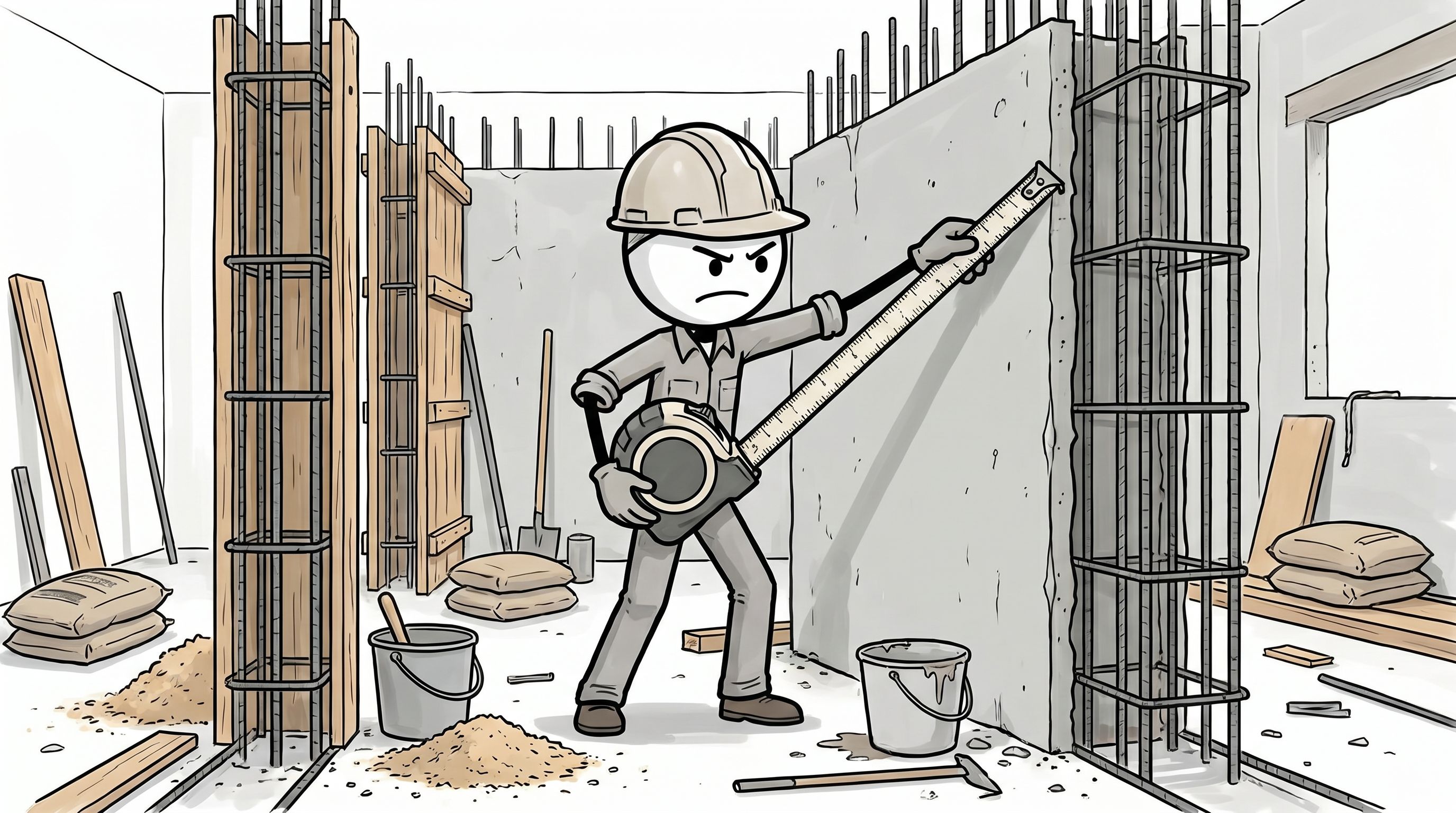
The term "panic room" is often used interchangeably with "safe room," but typically implies a focus on security from human threats, like home invasions. A panic room is fortified against forced entry, may have independent communication lines, and is designed for short-term occupancy while waiting for law enforcement. A FEMA-compliant safe room, with its steel door and reinforced concrete or steel walls, inherently serves as an excellent panic room, but its core engineering is for weather-related threats.
What is an Underground Bunker?
An underground bunker is a self-sufficient, subterranean shelter designed for long-term survival. Its purpose extends far beyond surviving a storm. Bunkers are built to shield occupants from catastrophic, long-duration events such as nuclear fallout, biological or chemical attacks, severe civil unrest, or societal collapse. They are complex systems, not just hardened rooms.
Key features that distinguish a bunker include:
- Location: Fully buried underground to provide protection from radiation and surface-level threats.
- Life Support: Equipped with air filtration systems (specifically NBC/CBRN filters), independent power sources (generators, solar with battery banks), and Water Calculator and purification systems.
- Sustainability: Designed for weeks, months, or even longer, with dedicated storage for food, medical supplies, and other essentials.
- Security: Often feature reinforced blast doors, hidden entrances, and defensive capabilities.
The safe room vs underground bunker comparison is fundamentally a matter of duration and threat type. A safe room is for hours; a bunker is for weeks or more. A safe room is for storms and intruders; a bunker is for existential threats.
Threat Scenarios: Matching the Shelter to the Situation
Your choice of shelter should be a direct response to the most probable threats in your specific situation. A prepper in Kansas has different primary concerns than one in a dense urban center or near a major geopolitical target. Let's break down which shelter excels in various emergency scenarios.
High-Wind Events (Tornadoes, Hurricanes)
Winner: Safe Room
This is the exact scenario for which FEMA-compliant safe rooms were conceived. According to FEMA, a properly constructed safe room can withstand 250 mph winds and the impact of a 15-pound 2x4 plank traveling at 100 mph. For the vast majority of Americans, particularly those in "Tornado Alley" or hurricane-prone coastal regions, a safe room is the most effective and practical solution for the most likely natural disaster they will face. It provides immediate, accessible, and proven protection.
An underground bunker also offers excellent protection from tornadoes, but its extensive features (and cost) are overkill if extreme weather is your only major concern. A dedicated home storm shelter is the purpose-built tool for the job.
Home Invasion or Civil Unrest
Winner: Safe Room (or "Panic Room")
During a home invasion, the goal is to create a secure barrier between your family and the threat, and to call for help. A safe room, with its hardened steel door and reinforced walls, is a perfect bastion for this purpose. It's typically located within the home, allowing for quick access when seconds count. You can retreat to the room, secure the door, and wait for first responders to arrive.
While a bunker is virtually impenetrable, its entrance is often outside the main home, making it difficult or impossible to reach during a sudden home invasion. For short-term civil unrest where you need to shelter in place for a day or two, a well-stocked safe room is also a highly effective solution.
Nuclear Fallout or CBRN Events
Winner: Underground Bunker
This is where the underground bunker stands entirely in a class of its own. A standard safe room, even one in a basement, offers minimal protection from radiation. The CDC explains that effective fallout protection requires mass - dense materials like earth and concrete - to block gamma rays. A bunker, buried under several feet of soil, provides this essential shielding.
Furthermore, a bunker's specialized CBRN air filtration system is non-negotiable for surviving in a contaminated environment. It scrubs the air of radioactive particles, chemical agents, and biological pathogens. A safe room lacks this life-sustaining capability, making it unsuitable for these long-term, atmospheric threats.
Societal Collapse or Long-Term Grid-Down Scenarios
Winner: Underground Bunker
In a scenario where rule of law evaporates and basic utilities are gone for an extended period, a bunker is designed to function as a self-contained habitat. It provides not only physical security from external threats but also the essential life support systems - power, water, and air - that are no longer available from the grid. Its hidden nature also provides a level of security through obscurity, which is invaluable when resources are scarce and desperation is high.
A safe room, reliant on the home's infrastructure, offers no solution for long-term sustainability. It can keep you safe from an immediate physical threat, but it cannot sustain you for weeks on end without power, water, or sanitation.
Construction and Installation: A Tale of Two Projects
The process of building a safe room is fundamentally different from installing a bunker. One is a specialized home improvement project, while the other is a major excavation and construction endeavor.
Building a Safe Room
A safe room project is relatively straightforward and can often be integrated into an existing home.

- Location: The best location is on a concrete slab foundation, such as in a basement, garage, or even an interior room on the ground floor. Retrofitting a closet or small room is a common approach.
- Materials: Construction typically involves reinforced concrete walls, a concrete ceiling, and a pressure-tested steel door that opens inward. Pre-fabricated steel units are also a popular and effective option that can be bolted directly to a concrete slab.
- Compliance: For maximum assurance, ensure the design and components meet the standards of FEMA P-361. Learn more about our family emergency planning guide to coordinate your household response and are tested by a facility like the National Wind Institute at Texas Tech University. This ensures it can withstand the forces it's designed for.
- Timeline: A pre-fabricated unit can be installed in a single day. A custom-built, site-poured concrete room can take several weeks from start to finish.
- Permits: Depending on your location, permits for a home renovation or addition may be required. The process is generally no more complex than any other small construction project.
Installing an Underground Bunker
Installing a bunker is a complex, multi-stage process that requires specialized expertise and heavy equipment.
- Location: This requires significant space on your property for excavation. Soil type, water table level, and local zoning ordinances are critical factors. A high water table, for instance, can dramatically increase construction complexity and cost due to the need for advanced waterproofing and anchoring.
- Construction: The process involves massive excavation, placing a pre-fabricated steel or fiberglass shell (or pouring concrete walls), extensive waterproofing, backfilling, and discreetly integrating ventilation and utility shafts.
- Systems Integration: This is the most complex part. A bunker is a machine for living. It requires professional installation of CBRN air filtration, plumbing and septic systems, electrical systems (including solar, generator, and battery backups), and communications wiring.
- Timeline: A typical bunker installation can take anywhere from a few weeks to several months, depending on the complexity, site conditions, and contractor schedule.
- Permits and Discretion: Permitting for a bunker can be complicated. It may be classified as a "secondary dwelling" or require extensive engineering approvals. Many who invest in bunkers prioritize operational security and discretion, working with specialized firms that understand how to navigate these issues quietly.
The Bottom Line: A Detailed Cost Analysis
For most people, the decision between a safe room and a bunker will be heavily influenced by budget. The financial gap between these two options is substantial.
Safe Room Costs
The cost of building a safe room is relatively accessible for many homeowners.
- DIY Kits: Basic steel panel kits that you assemble yourself can start as low as $3,000 - $5,000 for a small (4'x6') unit.
- Pre-fabricated & Installed: A professionally installed, FEMA-compliant 8'x8' pre-fabricated steel safe room in a garage or basement typically costs between $6,000 and $12,000.
- Custom Concrete Construction: A custom-built safe room using reinforced concrete as part of a new home build or major renovation will generally cost $8,000 to $15,000, depending on size and features.
Factors influencing the cost include size, materials (steel vs. concrete), and whether it's a retrofit or part of new construction. Many states also offer grants or rebates for installing certified storm shelters, which can help offset the cost.
Underground Bunker Cost
The underground bunker cost represents a significant financial investment, comparable to buying a luxury car or even a small house.
- Entry-Level Bunkers: A small, spartan bunker (e.g., a 10'x20' steel culvert) with basic systems might start around $50,000 to $70,000, including installation. This provides the core protection but with minimal comforts.
- Mid-Range Family Bunkers: A more comfortable, fully-equipped bunker designed for a family of four with dedicated living spaces, a kitchen, bathroom, and robust life support systems typically runs from $100,000 to $250,000.
- High-End & Luxury Bunkers: For larger, multi-family, or luxury bunkers with advanced features like hydroponic gardens, multiple power sources, and extensive living quarters, the cost can easily soar past $500,000 and into the millions.
The final cost is driven by size, depth, level of finish, and the complexity of the life support systems. Remember that excavation and installation can account for 30-50% of the total project cost.
Effectiveness and Practical Limitations
Beyond cost and construction, it's crucial to understand the practical realities and limitations of each shelter type.
Safe Room: Accessible and Reliable
Strengths:
- Accessibility: Located inside or very near the home, it can be reached in seconds. This is critical during a tornado warning or a sudden home invasion.
- Proven Effectiveness: FEMA and the Red Cross widely endorse certified safe rooms, and their life-saving track record in major tornado events is well-documented.
- Low Maintenance: A safe room requires minimal upkeep - essentially just ensuring the door mechanism works and the interior is clean and stocked with a basic emergency kit.
Limitations:
- Short-Term Only: It is not designed for long-term habitation. It lacks climate control, plumbing, and significant storage.
- Dependent on Home: If the main house is destroyed, you may be trapped until you can be dug out. It offers no independent life support if the grid goes down.
- Limited Threat Profile: It provides no meaningful protection against fire, flood, or CBRN threats.
Underground Bunker: The Ultimate Sanctuary
Strengths:
- Comprehensive Protection: It is the only option that provides true protection against the widest range of catastrophic threats, including nuclear fallout.
- Self-Sufficiency: It allows you to operate completely independently of all public utilities and infrastructure for an extended period.
- Ultimate Security: Its subterranean and often hidden nature makes it the most secure location possible in a worst-case scenario.
Limitations:
- High Maintenance: A bunker is a complex system that requires regular, diligent maintenance. Air filters must be changed, generators tested, batteries monitored, and plumbing systems checked. Neglect can lead to catastrophic system failure when you need it most.
- Accessibility Issues: The entrance is often outside the home, which can be a major vulnerability. Reaching it during a blizzard, tornado, or while under direct threat can be a dangerous challenge.
- Psychological Toll: Living in a confined, windowless space for a prolonged period can have serious psychological effects on occupants. This is a factor that is often underestimated.
Making the Right Choice for Your Family
The safe room vs underground bunker decision is not about which is "better" in a vacuum, but which is "right" for you. It requires an honest self-assessment of four key areas: your most likely threats, your geographic location, your budget, and your personal commitment to the preparedness lifestyle.
If you live in an area prone to tornadoes or hurricanes, or your primary concern is securing your family during a home invasion or temporary unrest, the safe room is the logical, effective, and financially prudent choice. It is a specialized tool that perfectly addresses the most common high-acuity threats facing the average American family. It is a responsible and powerful addition to any home's safety plan.
If, however, your threat assessment includes low-probability, high-impact events like nuclear war, a pandemic-related societal breakdown, or other long-term grid-down disasters, and you have the significant financial resources and personal commitment required, then a bunker is the only tool that can provide the level of protection you seek. It is a commitment to a level of self-sufficiency and survival that goes far beyond conventional preparedness.
Ultimately, any step you take to harden your home and protect your loved ones is a worthy endeavor. Whether it's a reinforced closet or a fully-stocked subterranean fortress, the act of preparing empowers you. It replaces fear of the unknown with a quiet confidence, knowing that you have taken concrete steps to control your destiny and ensure your family's survival, no matter what the future holds.
Frequently Asked Questions
What is the main difference between a safe room and a bunker?
A safe room is a fortified room within your home for short-term threats like storms or intruders, while a bunker is a separate, often underground structure designed for long-term survival.
Is a safe room cheaper than a bunker?
Yes, a safe room is significantly more affordable than an underground bunker, as it typically modifies an existing space rather than requiring extensive excavation and new construction.
Can a safe room protect against a tornado?
Absolutely. FEMA-compliant safe rooms are specifically designed and tested to withstand extreme winds and debris from tornadoes and hurricanes, providing near-absolute protection.
Sources & Further Reading
Related resource: Nuclear Fallout: First 24 Hours Guide.