⚡ Key Facts
- FEMA Guidelines: While the Federal Emergency Management Agency (FEMA) recommends a minimum of 72 hours of basic supplies, global supply chain disruptions can extend disaster recovery times to several weeks.
- Electronics Vulnerability: Up to 80% of the critical electronic components used in solar generators, emergency radios, and power banks are imported, making them highly susceptible to tariff-induced price hikes.
- Inflation Impact: Historical economic data shows that raw material tariffs can increase retail hardware and tool costs by 15% to 25% within just a few months of implementation.
- Medical Supply Chains: The American Red Cross emphasizes that specialized trauma kits and advanced medical supplies often face the most severe shortages and price fluctuations during international trade disputes.
- Water Security: The CDC stresses that access to clean water is the top priority in any disaster, yet the synthetic fibers and specialized plastics required for high-grade water filters are heavily reliant on global trade.
The global supply chain is a delicate, interconnected web, and recent shifts in international trade policies are about to test its resilience once again. As new trade tariffs loom on the horizon, the cost of imported goods, raw materials, and specialized manufacturing components is expected to climb significantly. For the prepared citizen, this isn't a reason to panic, but rather a clear signal to take immediate, strategic action. Protecting your family’s readiness means staying ahead of the economic curve and securing vital supplies before the cost of preparedness becomes prohibitive.
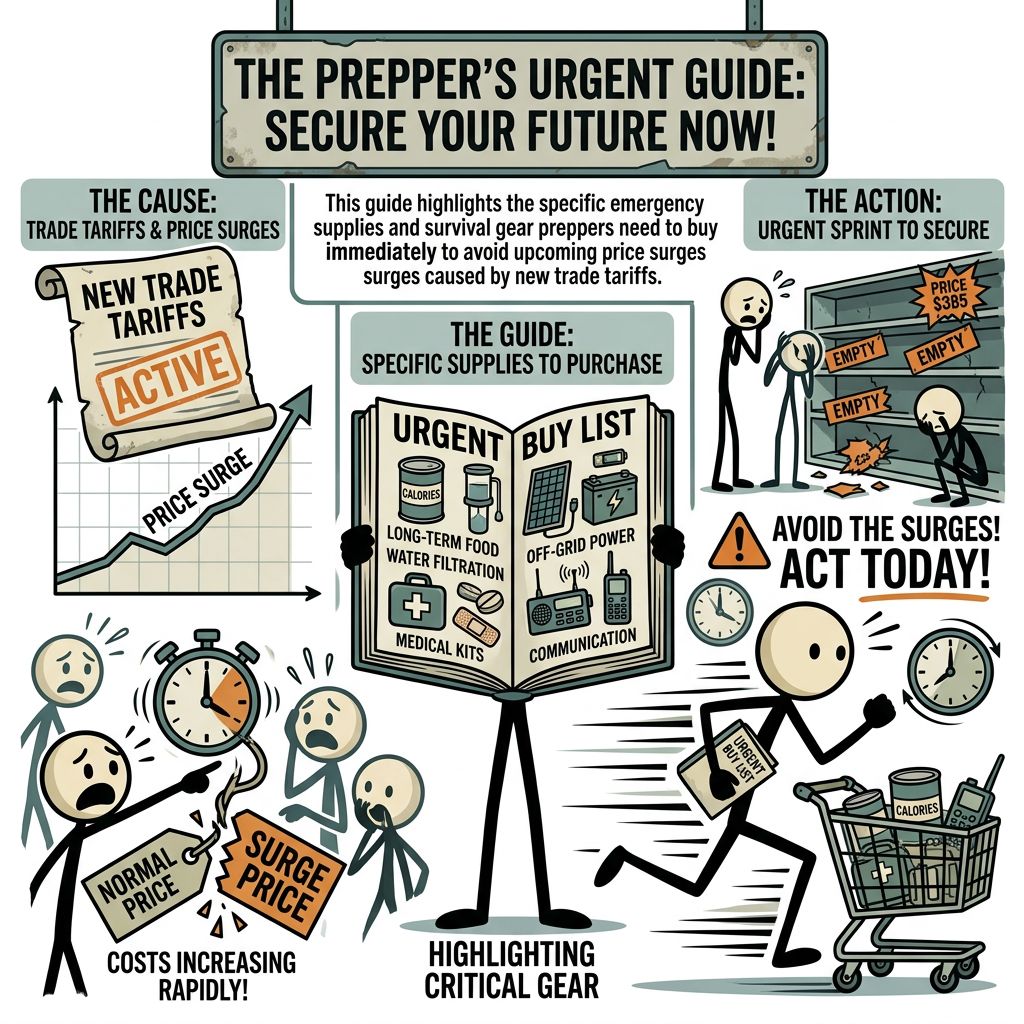
When import taxes are levied on foreign goods, manufacturers and distributors rarely absorb those costs. Instead, they are passed directly down to the consumer. This economic reality makes prepping for inflation and tariff hikes just as important as prepping for a natural disaster. If you are wondering exactly what to stockpile right now, the answer lies in identifying the goods that are most reliant on international manufacturing and raw materials.
This comprehensive guide breaks down the specific categories of gear that are most vulnerable to upcoming trade policies. By understanding the manufacturing origins of your essential supplies, you can make informed purchasing decisions today. We will explore the critical items you need to secure immediately to build tariff-proof preps, ensuring your readiness remains uncompromised by global economic friction.
The Economics of Preparedness: Why Tariffs Matter
To understand why specific emergency supplies are about to become more expensive, it is crucial to understand the mechanics of trade tariffs. A tariff is essentially a tax imposed by a government on imported goods and services. When these taxes are applied to raw materials like steel, aluminum, lithium, and specialized textiles, the cost of manufacturing everyday survival items skyrockets.
Survival gear prices are particularly sensitive to these economic shifts. The modern preparedness industry relies heavily on complex, multi-national supply chains. A single emergency radio might feature a plastic casing from one country, a microchip from another, and a lithium-ion battery from a third. If a tariff hits any one of those components, the retail price of the final product increases.
Taking an authoritative, proactive approach means recognizing these market indicators early. By purchasing high-risk items now, you are essentially locking in today's prices and protecting your purchasing power. This strategy transforms your preparedness stockpile into a tangible, inflation-resistant asset that holds its intrinsic value regardless of what happens in the global markets.
High-Tech Survival Gear and Power Systems
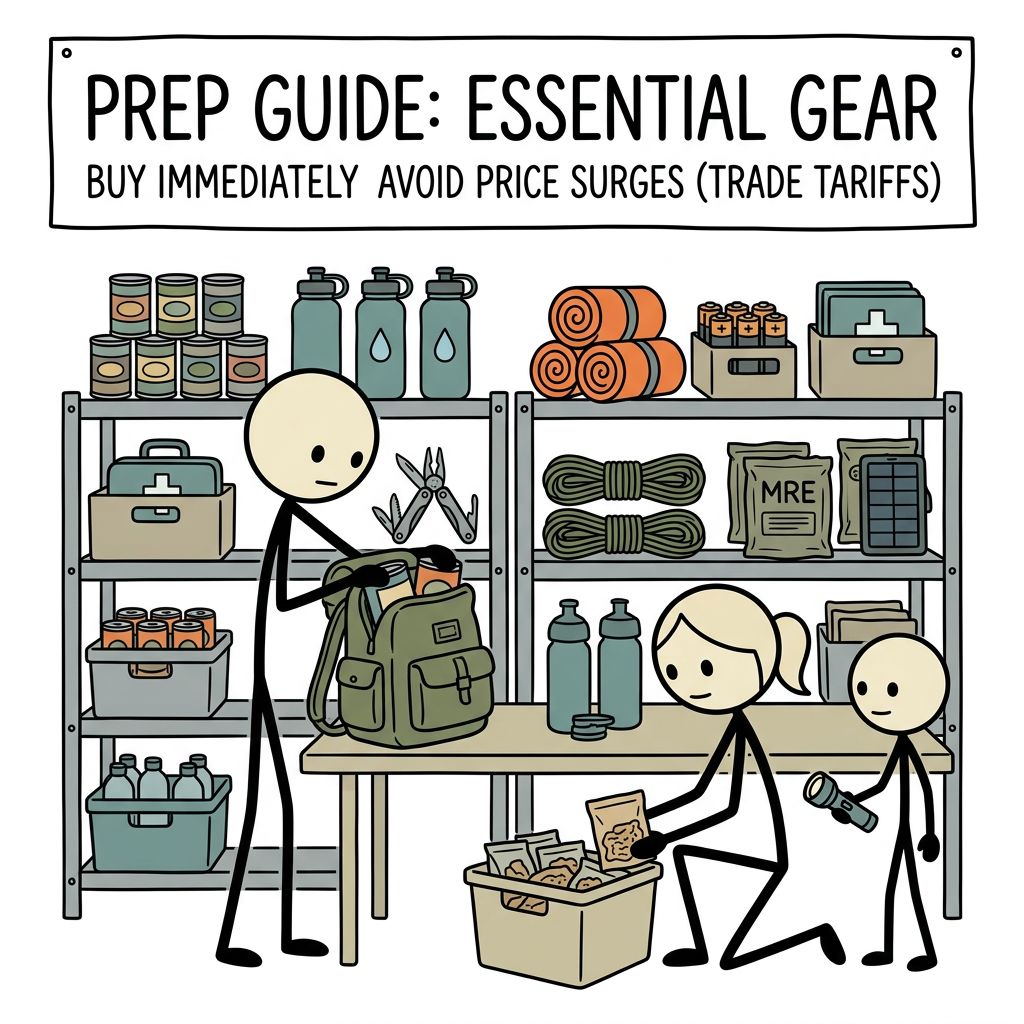
Perhaps no category of preparedness is more vulnerable to international trade tariffs than electronics and power generation. The vast majority of the world's semiconductors, microchips, and lithium-ion batteries are manufactured overseas. When tariffs are introduced, the cost of these high-tech components is often the first to surge.
Maintaining power and communication during a crisis is not a luxury; it is a necessity. The National Oceanic and Atmospheric Administration (NOAA) consistently stresses the importance of having reliable, battery-operated or hand-crank communication devices to receive life-saving severe weather alerts. If you are looking for emergency supplies to buy now, power and comms should be at the top of your list.
Solar Generators and Power Stations
Modern solar generators, particularly those utilizing Lithium Iron Phosphate (LiFePO4) batteries, have revolutionized emergency power. However, the raw lithium extraction and the assembly of these power stations are heavily concentrated in foreign markets. Tariffs on these imports will cause the prices of high-capacity power stations to jump dramatically.
- High-Capacity Power Stations: Secure units capable of running essential medical devices, refrigerators, and communication gear.
- Portable Solar Panels: The photovoltaic cells used in folding solar panels are highly vulnerable to import taxes. Buy the panels that match your generator's input requirements now.
- Replacement Batteries: Deep cycle batteries for off-grid solar arrays are heavy and expensive to ship, making them prime targets for price surges.
Emergency Communications
In the aftermath of a severe disaster, cell towers often fail or become congested. Having independent communication capabilities is a core tenet of emergency readiness. The internal circuitry of these devices makes them highly susceptible to tariff-related price hikes.
- NOAA Weather Radios: Ensure you have a rugged, multi-powered (solar, hand-crank, battery) weather radio.
- Ham Radios (Amateur Radio): Handheld transceivers (HTs) and mobile base stations rely on imported microchips. If you are planning to build out your comms capabilities, purchase your transceivers and antennas immediately.
- Faraday Cages and EMP Protection: Specialized conductive fabrics and bags used to protect electronics from electromagnetic pulses are often woven from imported metallic threads.
Water Filtration and Purification Systems
Water is the absolute foundation of human survival. The Centers for Disease Control and Prevention (CDC) warns that following a major disaster, municipal water supplies are frequently compromised by biological pathogens, chemical runoff, or infrastructure failure. Ensuring your family has access to clean drinking water is non-negotiable.
While water itself is local, the technology required to filter and purify it safely is global. High-end water filtration systems rely on specialized materials—such as hollow fiber membranes, activated carbon blocks, and advanced ceramic filters—that are often manufactured internationally. Tariffs on these synthetic materials and plastics will directly inflate the cost of securing clean water.
Portable and High-Capacity Filters
FEMA advises that every household should be capable of treating their own water if the tap runs dry. Investing in robust filtration systems now ensures you won't be priced out of clean water later.
- Gravity-Fed Water Filters: Stainless steel gravity filters are the gold standard for home preparedness. Tariffs on imported stainless steel and the proprietary carbon filter elements will drive prices up significantly.
- Personal Water Straws and Pump Filters: These are essential for Go-Bag Builders and vehicle kits. The dense plastic housings and microscopic internal filters are prime candidates for tariff impacts.
- Replacement Cartridges: A filter is only as good as its lifespan. Stockpile replacement carbon and ceramic elements for your existing systems. These are the ultimate tariff-proof preps, as their shelf life is virtually indefinite when stored correctly.
Chemical Purification and Storage
Beyond physical filtration, chemical purification and long-term storage solutions are critical components of a comprehensive water strategy.
- Water Purification Tablets: Chlorine dioxide tablets are highly effective and have a long shelf life. The chemical compounds are often sourced globally.
- Heavy-Duty Water Calculator Containers: High-density polyethylene (HDPE) water bricks and barrels are bulky. Tariffs on petroleum-based plastics and rising shipping costs will make these heavy items much more expensive to procure.
Advanced First Aid and Medical Supplies
During a localized disaster or a widespread grid-down scenario, emergency medical services (EMS) may be severely delayed or completely unavailable. The American Red Cross emphasizes that having the right medical supplies on hand can mean the difference between a minor inconvenience and a life-threatening emergency.
The global pharmaceutical and medical supply chain is incredibly fragile. A vast percentage of the world's base chemical ingredients for medications, as well as the specialized textiles used in advanced wound care, are imported. When trade tariffs are enacted, the medical sector frequently experiences rapid price inflation and rolling shortages.
Trauma and Bleeding Control
Basic band-aids won't suffice in a true emergency. You need gear designed to handle severe trauma, and these specialized items are precisely what to stockpile before prices surge.
- Hemostatic Dressings: Clotting gauzes (like QuikClot) rely on specific chemical agents that are vulnerable to supply chain disruptions.
- Tourniquets: Authentic, CoTCCC-approved tourniquets (like the CAT or SOF-T) require durable, high-tensile imported nylons and plastics. Avoid cheap knock-offs, but buy the genuine articles now before they jump in price.
- Chest Seals and Trauma Shears: The specialized adhesives used in vented chest seals and the hardened steel in medical shears are both subject to import tariffs.
Over-the-Counter Medications and Sanitation
While prescription medications require a doctor's oversight, there is a wide array of over-the-counter (OTC) supplies that you should secure in bulk.
- Pain Relievers and Fever Reducers: Ibuprofen, acetaminophen, and aspirin. The active pharmaceutical ingredients (APIs) for these common drugs are overwhelmingly manufactured overseas.
- Topical Antibiotics and Burn Care: Silver sulfadiazine creams and advanced hydrogel burn dressings are critical for off-grid injury management.
- N95 Masks and Nitrile Gloves: As seen during recent global events, personal protective equipment (PPE) is highly susceptible to massive price spikes. Tariffs on synthetic rubbers and non-woven fabrics will make restocking these items costly.
Long-Term Food Storage and Agricultural Inputs
Food security is a cornerstone of emergency preparedness. The United States Department of Agriculture (USDA) actively tracks global emergency food storage guide chains, noting that while the U.S. produces a massive amount of food, the packaging, preservatives, and specific agricultural inputs required for long-term storage are heavily reliant on international trade.
When prepping for inflation, food is one of the best investments you can make. The cost of groceries consistently rises during economic instability, and tariffs on packaging materials like aluminum and specialized plastics will make commercial survival food much more expensive.
Freeze-Dried and Dehydrated Foods
Commercially prepared freeze-dried food is incredibly convenient, boasting a shelf life of up to 25 years. However, the production process is energy-intensive, and the packaging relies on imported materials.
- Emergency Food Buckets: Bulk buckets of freeze-dried meals are excellent baseline preps. The cost of the heavy-duty plastic buckets and the Mylar linings will increase with new tariffs.
- Bulk Staples: Rice, beans, oats, and pasta. While the food itself may be domestic, the cost of transporting and packaging it will rise.
- Canned Goods and Proteins: Canned meats, vegetables, and fruits are essential. Tariffs on steel and aluminum directly impact the cost of the cans themselves, which manufacturers will pass on to you.
DIY Food Storage Supplies
If you prefer to pack your own long-term food storage, the raw materials you need are directly in the crosshairs of upcoming trade policies.
- Mylar Bags: These specialized, metalized polyester films are crucial for keeping oxygen and light away from your food. They are primarily manufactured overseas.
- Oxygen Absorbers: The iron powder and chemical compounds inside oxygen absorbers are highly vulnerable to import taxes. Buy these in bulk now and store them in airtight mason jars until needed.
Agricultural and Gardening Inputs
True food security means being able to produce your own calories. Tariffs significantly impact the agricultural sector, particularly regarding fertilizers and tools.
- Heirloom Seeds: Build a robust seed bank. While seeds are generally affordable, the cost of specialized, moisture-proof seed vaults will rise.
- Fertilizers and Soil Amendments: Many of the raw chemical components for commercial fertilizers are imported. Stockpiling these inputs now ensures your garden will thrive even if supply chains falter.
Tools, Hardware, and Shelter Materials
Following a major natural disaster, such as a hurricane or earthquake, the ability to repair your home, clear debris, and build emergency shelter is vital. Agencies like the United States Geological Survey (USGS) and FEMA recommend that households in high-risk zones maintain a robust cache of heavy-duty tools and shelter supplies.
This category of gear is perhaps the most directly impacted by raw material tariffs. Taxes on imported steel, aluminum, and petroleum products will cause an immediate and noticeable surge in the price of hardware, hand tools, and shelter materials.
Heavy-Duty Hand Tools
Power tools are great, but when the grid goes down, you must rely on manual labor. High-quality hand tools require forged steel, much of which is subject to international trade disputes.
- Axes, Hatchets, and Saws: Essential for processing firewood and clearing downed trees. High-carbon steel blades will see significant price hikes.
- Pry Bars and Bolt Cutters: Critical for urban search and rescue or navigating compromised structures following an earthquake.
- Multi-Tools and Survival Knives: A high-quality, full-tang survival knife and a robust multi-tool are everyday carry (EDC) essentials. The precision manufacturing and specialized steel alloys used in these tools make them prime targets for tariff-related inflation.
Shelter and Repair Materials
If your home's roof or windows are damaged during a storm, you need the materials to secure your perimeter immediately to prevent further weather damage.
- Heavy-Duty Tarps: Woven polyethylene tarps are petroleum-based products. Tariffs on raw plastics will make thick, durable tarps much more expensive.
- Paracord and Rope: Nylon parachute cord is a survival staple. The synthetic fibers used to weave true 550 paracord are frequently imported.
- Fasteners and Hardware: Nails, screws, brackets, and duct tape. These seemingly small items add up quickly. A tariff on steel wire directly impacts the cost of a box of framing nails.
Developing a Strategic Purchasing Strategy
Knowing what emergency supplies to buy now is only half the battle; the other half is executing a smart, budget-conscious purchasing strategy. The goal is to build tariff-proof preps without putting your family into financial distress. Panic buying is never the answer. Instead, adopt a methodical approach to securing your inventory.
Conduct a Comprehensive Inventory Audit
Before spending a dime, pull out all of your current gear and take a meticulous inventory. Check expiration dates on food and medical supplies. Test your electronics and solar generators to ensure they are holding a charge. Identify the critical gaps in your preparedness plan. You cannot protect against supply chain shortages if you don't know what you are already missing.
Prioritize High-Risk, High-Cost Items
When budgeting your preparedness funds, prioritize the items that are most likely to see the sharpest price increases. Electronics, solar generators, and advanced water filtration systems should be at the top of the list. These are high-ticket items where a 20% tariff increase translates to hundreds of dollars out of your pocket. Secure the expensive, import-heavy gear first.
Stagger Your Purchases
If purchasing a large solar generator or bulk food order all at once isn't feasible, stagger your purchases. Dedicate a specific portion of your weekly or monthly budget to acquiring these vulnerable items. Focus on buying one high-quality piece of gear rather than several cheap, unreliable alternatives. In the world of survival gear, you truly get what you pay for, and cheap tools will fail when you need them most.
Focus on Multi-Use Items
To maximize your budget before survival gear prices surge, focus on items that serve multiple purposes. A high-quality multi-tool can replace several individual hand tools. A robust solar generator can power medical devices, run a refrigerator, and charge communication gear. By investing in versatile equipment, you reduce the total number of items you need to stockpile.
The impending shifts in global trade and the introduction of new tariffs are clear indicators that the cost of self-reliance is about to rise. However, by taking decisive, informed action today, you can shield your family from these economic impacts. Review our water and food storage guide for complete strategies, and build your go-bag with trusted gear. For tactical training, explore our courses. Preparedness is fundamentally about taking control of your circumstances rather than being a victim of them. By securing your electronics, water filtration, medical supplies, and heavy-duty tools right now, you are making a powerful investment in your family's future safety and financial stability. Stay vigilant, plan strategically, and build your stockpile with confidence.
Related preparedness term: EDC.
Related preparedness term: paracord.
Related preparedness term: trauma shears.
Frequently Asked Questions
How do tariffs affect emergency preparedness supplies?
Tariffs increase the cost of imported goods and raw materials, leading to higher retail prices for survival gear, electronics, and imported food supplies.
What are the most important items to stockpile before a price spike?
Focus on imported goods that are difficult to source locally, such as solar generators, medical supplies, lithium batteries, water filtration systems, and specialized long-term food storage.
How can I build a stockpile on a budget before prices rise?
Buy in bulk, prioritize high-use essential items, watch for sales, and gradually add a few extra non-perishable items during your regular grocery shopping to spread out the cost.
Will domestically produced survival goods also experience price increases?
Yes, domestic goods often see price hikes due to increased consumer demand and the rising cost of imported raw materials or components used in domestic manufacturing.
How long should my emergency stockpile last to weather supply chain disruptions?
While FEMA recommends a minimum of three days of supplies for immediate emergencies, preparing for extended supply chain disruptions and price spikes requires aiming for a two-week to three-month supply.