⚡ Key Facts
- High Prevalence: The CDC reports that approximately 1 in 36 children in the United States is diagnosed with Autism Spectrum Disorder (ASD), highlighting the critical need for specialized emergency planning. For the practical checklist side, use the community emergency preparedness guide.
- Elopement Risk: According to the National Autism Association, nearly 50% of children with autism attempt to wander or elope from a safe environment, a risk that escalates dramatically during high-stress emergency evacuations.
- Sensory Vulnerability: Standard emergency sirens can reach up to 120 decibels—a level that can cause physical pain and severe sensory meltdowns in individuals with sensory processing sensitivities.
- Federal Protections: Under the Americans with Disabilities Act (ADA) and FEMA guidelines, emergency shelters are legally required to provide reasonable accommodations, including access to power for medical devices and quiet spaces when available.
Imagine the sudden blare of a weather radio, flashing strobe lights from a smoke detector, and the urgent voices of family members trying to coordinate an evacuation. For a neurotypical individual, this scenario is highly stressful. For someone with sensory processing differences, autism, or cognitive emergency communication plan challenges, it can trigger a profound physiological crisis. In the chaos of a natural disaster, standard emergency protocols often fail because they assume a uniform response to stress. True resilience requires us to look beyond basic survival supplies and design inclusive, highly customized strategies that protect the physical, sensory, and emotional well-being of every family member.
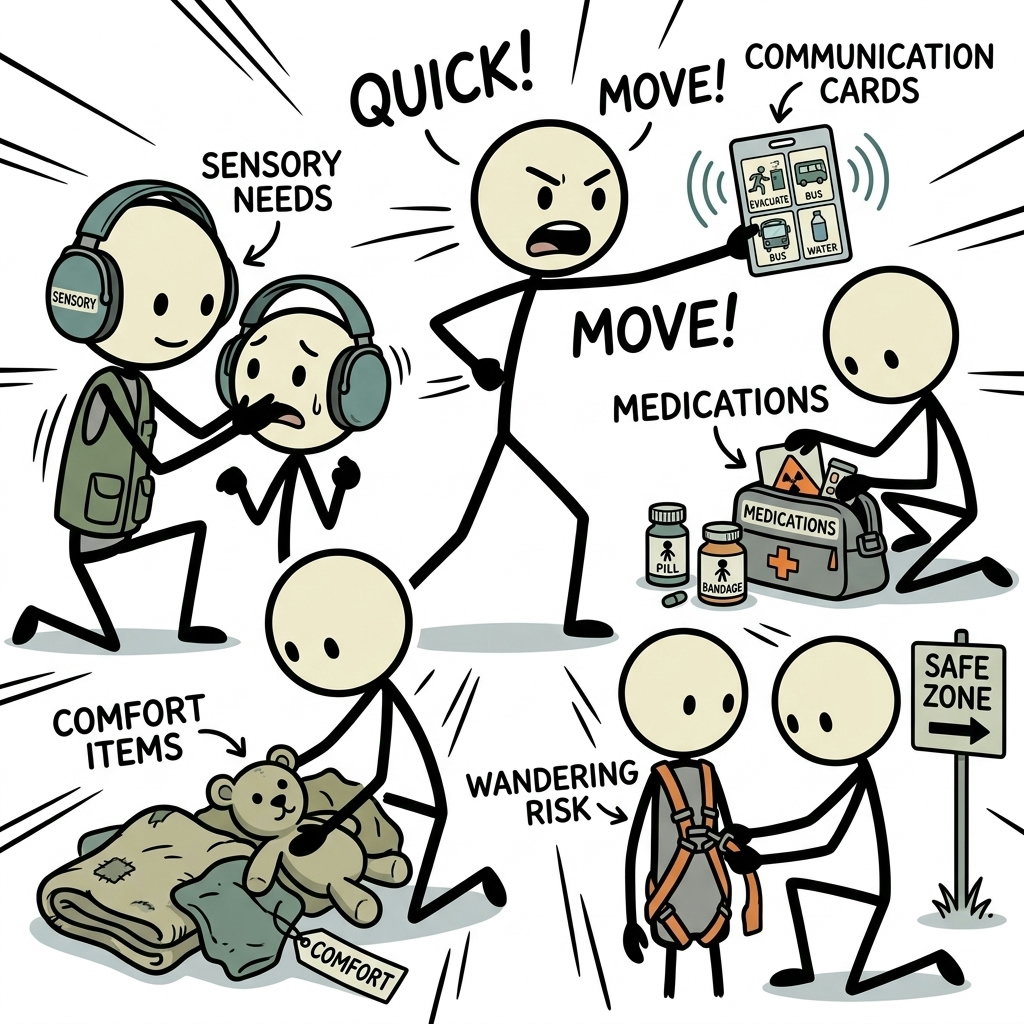
The Sensory Landscape of Disasters: Why Standard Plans Fail
During a disaster, our sensory environment undergoes a radical and violent shift. Power outages plunge familiar spaces into darkness, emergency sirens scream at deafening decibels, and the air may fill with the harsh smells of smoke, chemical leaks, or dampness. For individuals with sensory processing sensitivities, this is not merely uncomfortable; it is an overwhelming assault on their nervous system that can result in sensory shutdown, extreme panic, or aggressive self-regulation behaviors.
According to the Centers for Disease Control and Prevention (CDC), individuals with developmental and sensory disabilities require tailored support systems during public health emergencies. When the nervous system is overloaded, cognitive processing slows down or stops entirely. An individual who is typically highly verbal may lose the ability to speak or follow simple instructions. Understanding this physiological reality is the foundation of inclusive planning.
Hypersensitivity vs. Hyposensitivity in Crises
It is vital to distinguish between different sensory profiles when planning. A hypersensitive individual will actively avoid sensory input, meaning they may run away from loud noises, cover their eyes to block flashing lights, or resist being touched by first responders. Conversely, a hyposensitive individual may seek out intense sensory input to calm their nervous system, which could manifest as rocking, spinning, or seeking tight physical spaces. Your emergency plan must account for these specific behavioral patterns.
Designing a Sensory-Safe Evacuation Kit
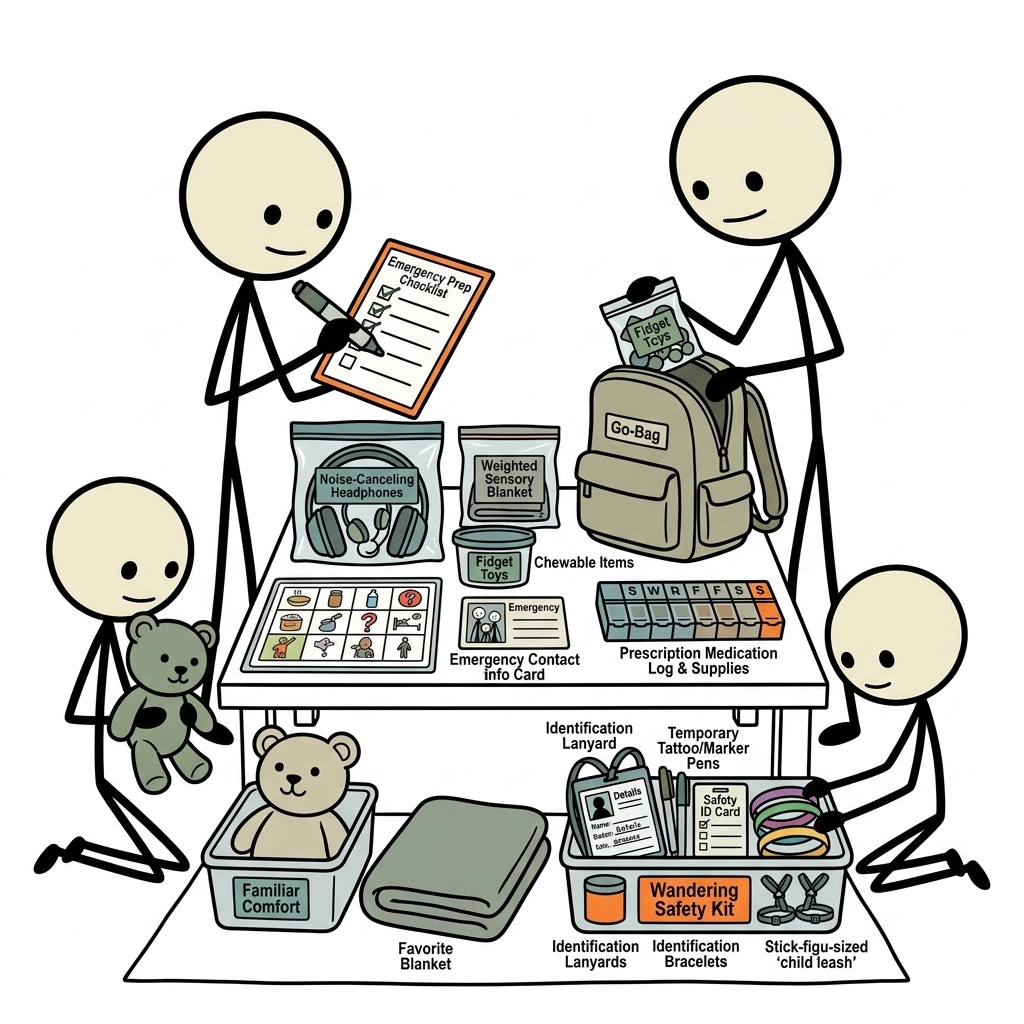
When evacuations are ordered by agencies like the Federal Emergency Management Agency (FEMA) or the National Oceanic and Atmospheric Administration (NOAA), you may have only minutes to leave your home. A standard "go-bag essentials guide" containing water and canned food is insufficient for a neurodivergent individual. You must construct a dedicated sensory-safe toolkit designed to regulate the nervous system on the move.
This kit should be packed in a durable, easily identifiable backpack and kept near your primary emergency supplies. It should contain tools specifically chosen to mitigate sensory overload and provide comfort in unfamiliar environments, such as community shelters or temporary housing.
Essential Components of a Sensory Kit
- Noise-Reduction Gear: High-quality, passive noise-canceling headphones are essential. Look for models with a Noise Reduction Rating (NRR) of 25 decibels or higher. For individuals who dislike the bulk of over-ear headphones, keep several pairs of soft, silicone earplugs on hand.
- Visual Barriers: Pack a pair of dark, polarized sunglasses to block out harsh fluorescent lighting or emergency strobes. A lightweight, wide-brimmed hat or a compact, pop-up privacy tent can also provide a crucial visual sanctuary in a crowded evacuation center.
- Tactile Regulation Tools: Include familiar fidget tools, chewable sensory items (chewelry), and textured fabrics. A weighted lap pad (typically 3 to 5 pounds) or a compression vest can provide deep pressure therapy, which naturally lowers heart rates and cortisol levels during high-stress events.
- Scent-Masking Agents: Emergency shelters and disaster zones often smell of cleaning chemicals, sweat, or smoke. Pack small roll-on bottles of familiar essential oils (such as lavender or vanilla) or a favorite lip balm to help mask offensive, anxiety-inducing odors.
Communication Strategies Under Extreme Stress
In a crisis, communication is our primary tool for safety. However, high-adrenaline environments degrade communication capacity. When developing a plan for emergency preparedness for autism, we must assume that verbal communication may fail entirely. First responders, while highly trained, may not immediately recognize that an individual is non-verbal due to autism rather than non-compliance or injury.
To bridge this gap, you must prepare alternative communication tools that do not rely on electricity or cellular networks. Paper-based systems are highly resilient and should be laminated to protect them from water damage during floods or storms.
Implementing Augmentative and Alternative Communication (AAC)
Do not rely solely on digital AAC devices, as tablets and smartphones can lose battery power quickly during extended grid outages. Instead, create a low-tech communication folder. This should include a printed Picture Exchange Communication System (PECS) board featuring clear, universally understood icons for basic needs such as "hurt," "thirsty," "bathroom," "scared," and "quiet space."
The Emergency Information Passport
Create a highly visible, laminated "Emergency Information Passport" for each neurodivergent family member. This document should be kept in their sensory bag and attached to their person via a lanyard or secure clip during evacuation. The passport should clearly state:
- The individual's name, diagnosis, and primary language.
- Whether they are verbal, non-verbal, or partially verbal.
- Specific triggers to avoid (e.g., physical touch, direct eye contact, loud voices).
- The best ways to calm them (e.g., "Give him his weighted blanket," "Speak in a quiet, low voice").
- Emergency contact information for parents, guardians, and primary care physicians.
Medication Management and Medical Continuity
For many individuals with sensory or developmental needs, daily medications are critical to maintaining neurological stability, managing co-occurring conditions like epilepsy, or regulating sleep cycles. The American Red Cross recommends keeping a minimum of a 7-to-14-day supply of all essential medications on hand at all times. In a Survival Scenarios, supply chains break down, and pharmacies may remain closed for weeks.
Managing this requires proactive coordination with your healthcare providers and insurance companies. Request "emergency refills" or "vacation overrides" to build a buffer supply of critical prescriptions.
Cold-Chain and Power Maintenance
Many liquid medications, hormones, or seizure treatments require strict temperature control. If the power grid fails, you must have a plan to maintain this "cold chain." Keep insulated medication travel bags with reusable gel ice packs in your freezer at all times. For longer-term power outages, invest in a portable power station (solar generator) capable of running a medical-grade mini-fridge or a dedicated medication cooler.
Power Backups for Assistive Technology
If your family member relies on a power-dependent communication device, feeding pump, or sensory regulation tool, you must register your household with your local utility company's "Life Support" or "Critical Care" registry. This alerts the utility provider to prioritize your home for power restoration during an outage. Additionally, keep high-capacity USB power banks charged and stored in your emergency kits to provide multiple recharges for tablets and communication devices.
Comfort Items, Routines, and Emotional Regulation
During a disaster, physical safety is only half the battle; emotional safety is equally critical. For neurodivergent individuals, routines provide a sense of predictability and safety in an unpredictable world. When a disaster shatters that routine, it can lead to severe psychological distress. While you cannot bring your entire home with you, you can bring strategic "anchors" of comfort and routine.
These anchors help signal to the brain that despite the changing physical environment, they are safe and protected. This reduces the likelihood of severe behavioral regression or trauma-induced anxiety following the event.
Selecting and Packing High-Value Comfort Items
Work with your family member to select two or three non-negotiable comfort items to include in their evacuation kit. These might include a specific stuffed animal, a worn t-shirt that smells like home, a favorite book, or a specific sensory blanket. If possible, purchase duplicates of these items and store them permanently in your emergency kit so they are never forgotten in a rushed evacuation.
Using Social Stories for Disaster Preparation
Social stories—short, visual narratives that describe what to expect in a specific situation—are incredibly effective tools for reducing anxiety. Create a personalized social story about emergencies. Use simple language and photos of your family to explain the evacuation process. Read this story regularly, not just when an emergency is imminent, so the concept of evacuating becomes a familiar, non-threatening protocol.
Mitigating Wandering and Elopement Risks
Wandering, or elopement, is one of the most dangerous behaviors associated with autism during crises. The sudden, overwhelming sensory input of a fire alarm, a tornado siren, or a chaotic crowd can trigger a powerful "flight" response. An individual may run blindly to escape the noise, often seeking out quiet, isolated, or dangerous places such as bodies of water, busy highways, or tight crawl spaces.
According to the National Autism Association, accidental drowning accounts for the vast majority of deaths associated with elopement in children on the spectrum. In the aftermath of a natural disaster, flooded streets, swollen creeks, and damaged infrastructure present immediate, life-threatening hazards.
Layered Security and Tracking Systems
To prevent elopement during a disaster, you must implement a multi-layered security and identification strategy:
- Wearable GPS Trackers: Equipping your loved one with a dedicated, waterproof GPS tracking device (such as AngelSense, Jiobit, or a secure Apple AirTag) is vital. Ensure these devices are worn securely on a belt, shoe, or wristband that cannot be easily removed. Keep backup batteries or chargers for these devices in your go-bag.
- Physical Identification: Use temporary tattoos, medical alert bracelets, or clothing stamps that clearly display your contact information and the individual’s diagnosis. If they wander, this ensures that whoever finds them can immediately identify them and contact you.
- Securing Temporary Environments: If you are staying in a hotel or a friend's home during an evacuation, bring portable door and window alarms. These inexpensive, battery-operated sensors stick to doors and windows and emit a loud chime if opened, alerting you immediately if your loved one attempts to leave during the night.
- First Responder Registry: Many local police and fire departments maintain a voluntary registry for vulnerable residents. Register your family member with local law enforcement before a disaster strikes. Provide them with a current photograph, physical description, known triggers, and their favorite places to hide.
The Ultimate Emergency Preparedness for Autism Checklist
While standard disaster planning focuses on physical survival, tailoring emergency preparedness for autism, emergency preparedness must also account for sensory, cognitive, and emotional safety. Use this comprehensive emergency preparedness for autism checklist to ensure your household is fully prepared for any emergency scenario.
| Category | Action Item | Completed |
|---|---|---|
| Sensory Kit | Pack noise-canceling headphones (NRR 25dB+), polarized sunglasses, and a wide-brimmed hat. | ☐ |
| Sensory Kit | Include a weighted lap pad, compression vest, and familiar tactile fidget toys. | ☐ |
| Communication | Create and laminate a low-tech visual communication board (PECS) and basic needs icons. | ☐ |
| Communication | Prepare a laminated Emergency Info Passport with medical details, triggers, and contact info. | ☐ |
| Medications | Secure a 14-day supply of all daily medications and organize them in waterproof containers. | ☐ |
| Medications | Set up a cold-chain protocol (insulated bags, gel packs) for temperature-sensitive meds. | ☐ |
| Wandering Risk | Equip the individual with a waterproof GPS tracker and check battery levels weekly. | ☐ |
| Wandering Risk | Register your loved one with the local police department's vulnerable person registry. | ☐ |
| Comfort & Routine | Pack duplicate comfort items (favorite stuffed animals, specific books, blankets). | ☐ |
| Comfort & Routine | Develop and practice a personalized "emergency evacuation" social story with the family. | ☐ |
Navigating Shelters and Public Spaces
If your family emergency plan leads you to a public emergency shelter managed by the Red Cross or local authorities, you must be prepared to advocate for your family's rights. Public shelters are loud, bright, crowded, and highly stressful. However, under federal law, including the Stafford Act and the ADA, shelter operators must provide equal access and reasonable accommodations to individuals with disabilities.
When you arrive at a shelter, immediately locate the shelter manager or the lead health services volunteer. Present your Emergency Information Passport and clearly state your family member's needs. Do not hesitate to ask for specific accommodations that will help maintain stability and prevent sensory crises.
Requesting Reasonable Accommodations
- A Quiet Space: Request a cot in a corner, away from high-traffic areas like bathrooms, food distribution lines, or main entrances. If available, ask if there is a designated "quiet room" or sensory space where your family member can go to decompress.
- Access to Power: Request priority access to an electrical outlet to charge essential communication tablets, medical equipment, or sensory regulation tools.
- Dietary Accommodations: Many neurodivergent individuals have strict dietary restrictions or severe food selectivities. Inform shelter staff of these needs, but always pack a 3-to-5-day supply of preferred, non-perishable foods in your go-bag to ensure they have safe options immediately available.
Empowerment Through Preparation
True emergency preparedness is not about predicting the future; it is about building the capacity to navigate uncertainty with dignity, safety, and control. By taking the time to adapt your emergency plans for sensory needs, communication preferences, medication continuity, comfort items, and wandering risks, you are doing more than securing physical survival—you are preserving the emotional and psychological well-being of your loved ones. Preparedness is an act of love and empowerment. With the right tools, clear communication strategies, and a well-practiced plan, your family can face any storm with confidence, resilience, and peace of mind.
Frequently Asked Questions
What should a emergency preparedness for autism plan include?
Start with the immediate safety steps, the supplies and records your household needs, a communication plan, and a regular review schedule. Follow local official guidance during an active emergency.
How often should I review emergency preparedness for autism preparations?
Review them at least twice a year and whenever your household, medication, location, or local risks change. Replace expired supplies and practice key steps.
Where can I find reliable emergency guidance?
Use local emergency management alerts and established public-health or emergency-management agencies. A blog guide should support, not replace, official real-time instructions.