⚡ Key Facts
- Consistent Protein Production: A small flock of six laying hens can produce approximately 1,500 to 1,800 eggs per year, providing a highly reliable source of animal protein, healthy fats, and essential micronutrients. For the practical checklist side, use the community emergency preparedness guide.
- Off-Grid Storage Capability: Fresh, unwashed backyard eggs retain their natural protective coating (the "bloom"), allowing them to be safely stored at room temperature for up to several weeks, or preserved for up to 18 months using traditional waterglassing techniques without electricity. For the practical checklist side, use the neighborhood preparedness network.
- Supply Chain Independence: According to the USDA, egg prices rose by over 137% during recent supply chain disruptions and avian influenza outbreaks, highlighting the vulnerability of centralized commercial food systems.
- Multipurpose Homestead Assets: Beyond food production, chickens act as natural pest control, sanitize soil by consuming weed seeds and insects, and produce high-nitrogen manure that is crucial for maintaining a survival garden.
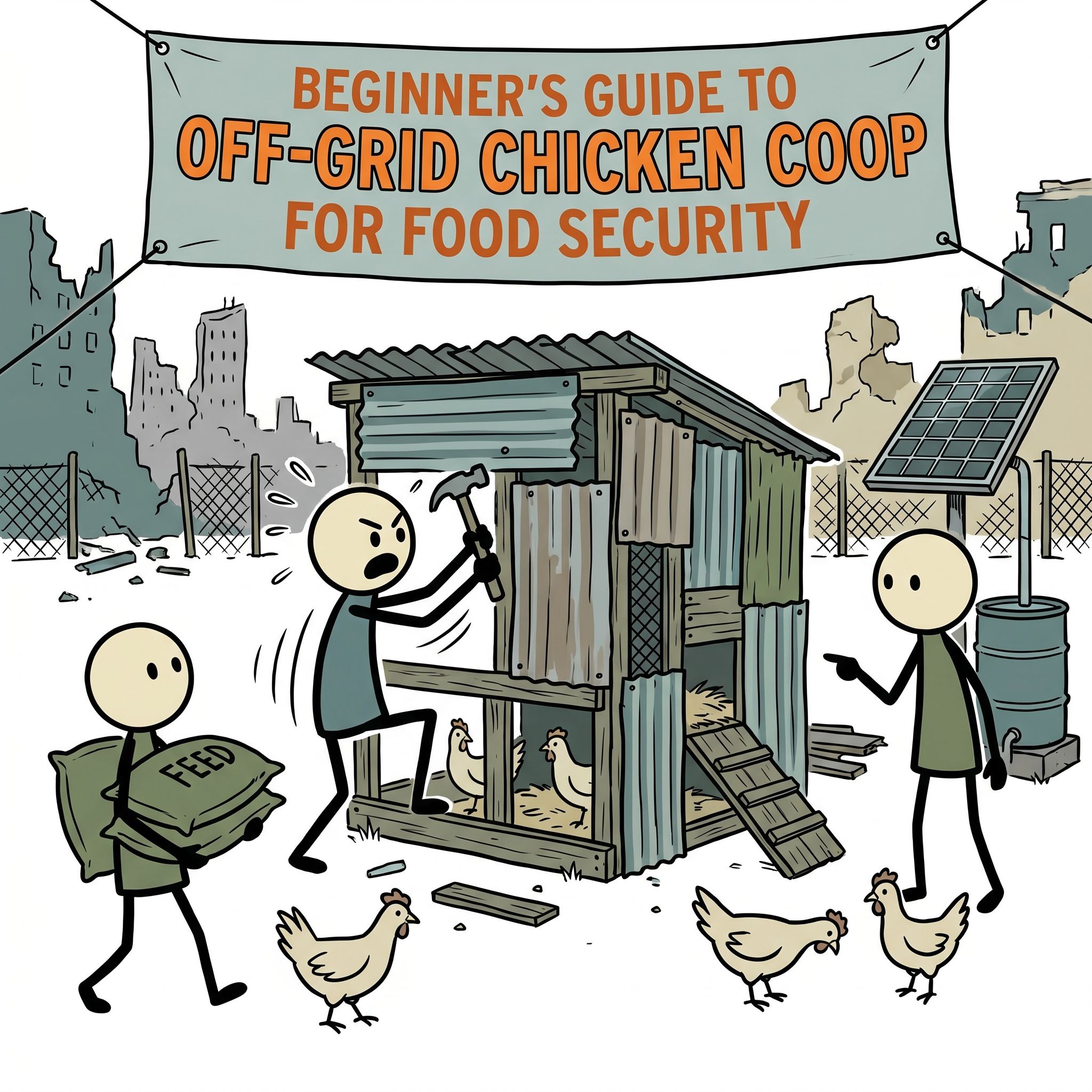
Modern global supply chains are marvels of efficiency, but they are also incredibly fragile. As documented by the Federal Emergency Management Agency (FEMA) and the United States Department of Agriculture (USDA), systemic shocks—ranging from geopolitical tensions and cyberattacks to regional grid failures and zoonotic disease outbreaks—can empty grocery store shelves within 48 to 72 hours. During these prolonged disruptions, securing a reliable, self-sustaining source of high-quality protein becomes a critical priority for household survival. While stored freeze-dried meals and canned goods are excellent stopgaps, they are finite resources. True long-term resilience requires active, renewable food production. Setting up a backyard flock is one of the most efficient, high-yield investments a household can make to establish a decentralized, off-grid emergency food storage guide.
The Strategic Importance of Backyard Chickens for Food Security
When evaluating livestock for emergency preparedness, chickens are the undisputed champions of the homestead. They require minimal space compared to larger livestock, possess highly efficient feed-to-protein conversion ratios, and produce a continuous yield of nutrient-dense food without requiring slaughter. For those exploring raising chickens for beginners, understanding this strategic value is the first step toward self-reliance.
Nutritional Density of Farm-Fresh Eggs
An egg is a biological powerhouse. A single large egg contains approximately 6 grams of highly bioavailable protein, along with essential vitamins A, B12, D, E, and K, riboflavin, folate, iron, and selenium. More importantly for Survival Scenarioss, eggs provide healthy fats and cholesterol, which are vital for hormone production, brain health, and sustained energy levels when dietary variety is limited. By securing a reliable daily harvest of eggs, you mitigate the risk of micronutrient deficiencies that often plague long-term survival scenarios reliant solely on stored grains and beans.
The "Bloom" and Off-Grid Storage
One of the greatest advantages of home-raised eggs is their capacity for off-grid storage. In the United States, commercial eggs are washed before sale, which strips away the "bloom"—a wet, protective cuticle deposited on the shell by the hen during laying. This bloom seals the egg's thousands of microscopic pores, preventing bacteria from penetrating the shell.
Because backyard eggs do not need to be washed until immediately before consumption, they can be stored safely at room temperature (around 60°F to 70°F) for up to a month. For long-term emergency egg production during an extended power outage, unwashed eggs can also be preserved using a historical technique called "waterglassing." By submerging clean, unwashed eggs in a solution of food-grade sodium silicate or hydrated lime and natural spring water, you can preserve their freshness for 12 to 18 months without refrigeration.
Selecting the Right Breeds for Extreme Resilience
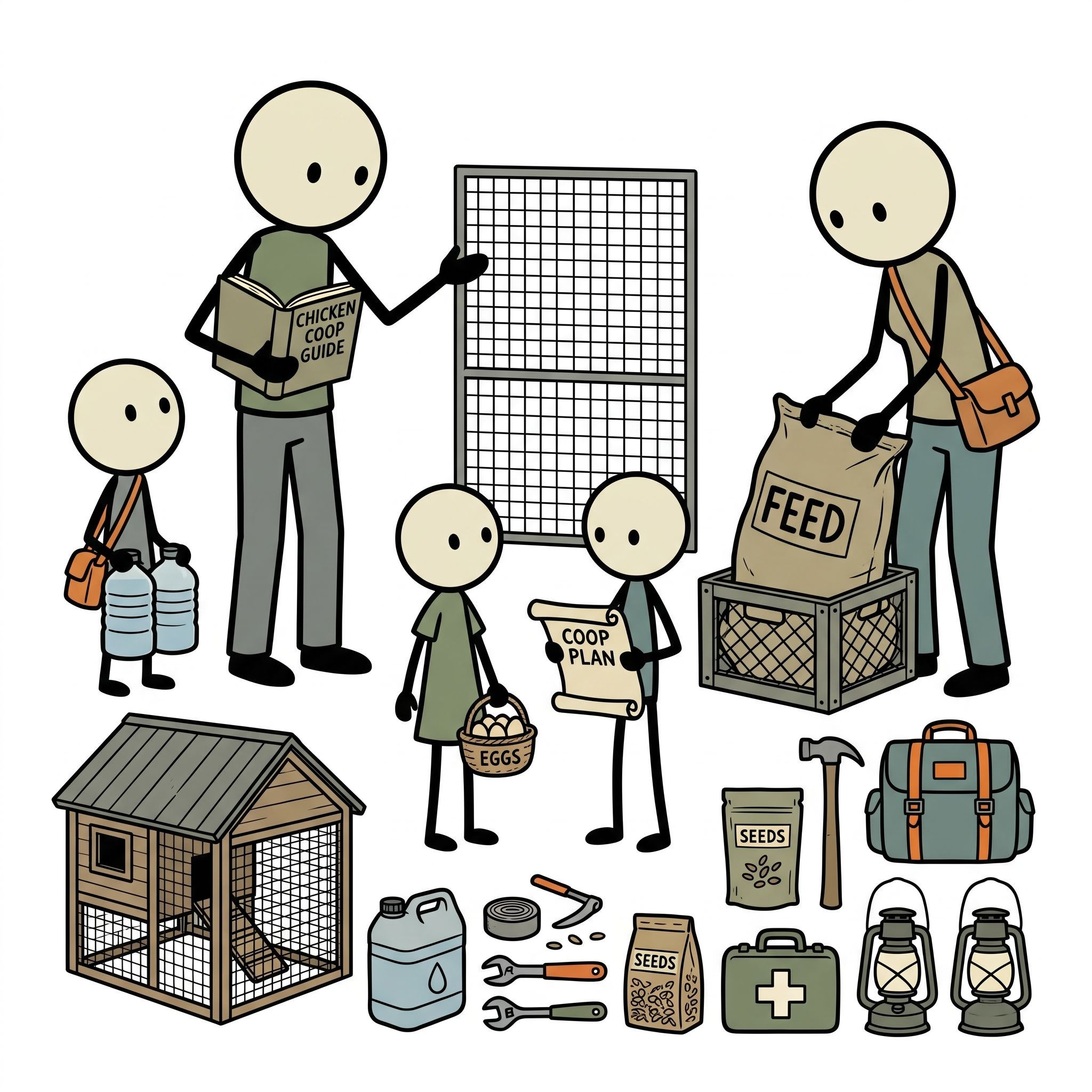
To build a truly resilient system, you must select chicken breeds optimized for survival, foraging, and harsh weather conditions rather than pure production volume. While commercial egg operations rely on highly specialized hybrids like the Cornish Cross (for meat) or the White Leghorn (for eggs), these breeds are poorly suited for off-grid survival. They often require highly specific, commercially manufactured diets and lack the hardiness needed to survive without climate-controlled environments.
The Case for Dual-Purpose Heritage Breeds
For a robust survival chicken coop, your foundation should consist of heritage, dual-purpose breeds. These birds are bred to be robust, long-lived, and capable of both consistent egg production and providing a respectable amount of meat if the flock must be culled for sustenance. Look for breeds with the following characteristics:
- Foraging Efficiency: The ability to hunt for insects, seeds, wild greens, and small pests drastically reduces your reliance on stored commercial feed.
- Climate Hardiness: Depending on your geographic location, you need birds that can tolerate extreme winter cold or intense summer heat without succumbing to stress or frostbite.
- Broodiness: A "broody" hen is one that will naturally sit on, hatch, and raise chicks. This is critical for long-term self-reliance, as it allows your flock to regenerate naturally without the need for commercial incubators or mail-order hatcheries.
Top Recommended Breeds for Off-Grid Survival
1. Rhode Island Red: The gold standard for backyard food security. These birds are incredibly hardy, highly active foragers, and exceptionally consistent layers, producing up to 250 to 300 large brown eggs per year. They are tough enough to deter minor predators and adapt well to almost any climate.
2. Australorp: Developed in Australia, this breed holds world records for egg production. They are docile, heavy-bodied birds with beautiful black feathers that provide excellent camouflage from aerial predators. They are highly cold-hardy and maintain solid egg production through the winter months.
3. Plymouth Rock (Barred Rock): A classic American heritage breed known for its calm temperament, longevity, and dual-purpose utility. Their black-and-white striped plumage makes them difficult for hawks to spot from above. They are excellent foragers and highly cold-tolerant.
4. Orpington (Buff Orpington): These are large, heavily feathered birds that are exceptionally cold-hardy. While they lay slightly fewer eggs than Rhode Island Reds (around 200 per year), they are renowned for their frequent broodiness. Keeping a few Orpingtons ensures you have natural "incubators" to sustain your flock's population over time.
Engineering the Ultimate "Survival Chicken Coop"
A survival chicken coop must be designed like a defensive fortress. In a long-term emergency, local predator populations (including raccoons, foxes, coyotes, stray dogs, and birds of prey) will become more active and desperate. Furthermore, your coop must protect your flock from extreme weather events without relying on grid power for heating, cooling, or automated systems.
Securing the Perimeter Against Predators
The number one mistake made by beginners is using standard "chicken wire." Chicken wire is designed to keep chickens in, but it will not keep predators out. Raccoons can easily tear through chicken wire, and dogs or coyotes can chew right through it.
- Hardware Cloth: Entirely replace chicken wire with 1/2-inch or 1/4-inch galvanized steel hardware cloth. Secure it to the coop frame using heavy-duty U-nails or screws with washers.
- The Predator Apron: Many predators, such as foxes and badgers, will attempt to dig under the coop walls. To prevent this, bury your hardware cloth at least 12 inches into the ground around the perimeter, or lay a 2-foot-wide horizontal "apron" of hardware cloth flat on the ground around the exterior of the coop, pinned down with landscape staples. Grass will grow through it, hiding it from view while physically blocking digging animals.
- Two-Step Latches: Raccoons possess highly dexterous front paws and can easily open simple sliding bolts or hook-and-eye latches. Use spring-loaded carabiners or locking padlocks on all doors and nesting box lids.
Passive Climate Control and Ventilation
To maintain off grid chicken keeping successfully, you cannot rely on electric heaters in the winter or fans in the summer. Instead, utilize smart coop physics:
Ventilation vs. Drafts: Chickens release a massive amount of moisture through their breath and droppings. If this moisture is trapped inside the coop during winter, it settles on their combs and wattles, causing frostbite. You must provide ventilation holes at the very top of the coop (well above where the birds roost) to allow warm, moist air to escape, while ensuring there are no drafts hitting the birds directly while they sleep.
The Deep Litter Method: This is a highly effective off-grid heating strategy. Instead of cleaning out the coop floor every week, start with a 4-to-6-inch layer of dry pine shavings. Weekly, add a fresh layer of shavings or dry straw over the droppings. The chickens' scratching will mix the waste and carbon-rich bedding together, initiating a slow, aerobic composting process right on the coop floor. This composting action generates natural, passive heat that can keep the coop several degrees warmer than the outside air during sub-zero winters, while simultaneously creating nutrient-rich compost for your garden.
Space Requirements and Layout Optimization
Overcrowded chickens become stressed, which leads to feather pecking, disease outbreaks, and a sharp decline in egg production. Design your coop based on these strict spatial parameters:
| Coop Feature | Minimum Space Requirement (Per Bird) | Strategic Purpose |
|---|---|---|
| Interior Coop Floor Space | 4 square feet (for heavy breeds) | Prevents territorial stress, disease transmission, and feather pecking. |
| Exterior Run Space | 10 square feet | Allows for natural foraging, exercise, and dust-bathing behaviors. |
| Roosting Bar Length | 8 to 10 inches | Provides flat, elevated space for sleeping; use a 2x4 board with the wide side flat to let birds cover their feet with their feathers to prevent frostbite. |
| Nesting Boxes | 1 box per 3 to 4 hens | Ensures clean, quiet, darkened spaces for egg laying; prevents egg breakage. |
Off-Grid Feed and Water Infrastructure
In a prolonged supply chain collapse, your local feed store will eventually run out of inventory. To maintain consistent egg production, you must establish redundant, off-grid systems for water delivery and feed supplementation. Water is the ultimate single point of failure: a chicken can survive for days without food, but a single hot day without water can stop egg production for weeks, or kill your birds within 24 hours.
Gravity-Fed Rainwater Collection
An average adult chicken drinks about one pint (16 ounces) of water daily, a requirement that spikes significantly during hot summer weather. To automate your Water Calculator off-grid, integrate a rainwater collection system directly into your coop's roof design.
Install a simple gutter system along the low edge of the coop roof, directing rainwater into a food-grade 55-gallon drum. Elevate this drum on concrete blocks to create passive gravity pressure. Run a food-grade PVC pipe from the bottom of the barrel into the coop, terminating in horizontal poultry nipples. Unlike open water bowls or hanging fonts, poultry nipples prevent the water from becoming contaminated with dirt, bedding, and feces, drastically reducing the risk of waterborne pathogens like Coccidiosis. To prevent freezing in winter without electricity, insulate the barrel and lines, or utilize a passive solar heat-sink design.
Alternative Feed Strategies and Self-Reliance
Commercial chicken feed contains balanced ratios of protein (16-18% for layers), calcium, and micronutrients. While you should store several hundred pounds of commercial feed in airtight, rodent-proof containers as a primary reserve, you must also master alternative, sustainable feeding methods:
1. Sprouted Grains and Fodder: This is the single most efficient way to stretch your stored grain supply. By soaking whole grains (such as barley, oats, or wheat berries) in water and allowing them to sprout in trays for 6 to 7 days, you turn 1 pound of dry seed into 4 pounds of highly digestible, nutrient-dense green fodder. This process unlocks vital enzymes, increases vitamin content, and provides crucial fresh greens during the dead of winter.
2. Black Soldier Fly Larva (BSFL) Cultivation: Protein is the most expensive and difficult component of chicken feed to source off-grid. Black Soldier Flies are harmless, native insects whose larvae are absolute powerhouses of protein (up to 40%) and fat (up to 30%). By constructing a simple, self-harvesting BSFL bin using a plastic tote and food scraps, you can generate a continuous, free supply of high-grade protein for your flock throughout the spring, summer, and autumn.
3. The Compost-Pile Foraging System: If space permits, locate your compost pile directly inside or adjacent to the chicken run. Dump all kitchen scraps, garden waste, and leaves onto this pile. The chickens will spend hours scratching through the decomposing organic matter, consuming high-protein earthworms, beetles, insect larvae, and weed seeds. This symbiotic system speeds up compost decomposition while drastically reducing your external feed requirements.
Biosecurity, Health, and Emergency Poultry Medicine
In a long-term survival scenario, veterinary services will be unavailable. You must act as your flock's primary healthcare provider. Disease prevention through strict biosecurity is vastly easier than treating sick birds in a grid-down environment.
Implementing Strict Biosecurity Protocols
According to the Centers for Disease Control and Prevention (CDC) and the USDA's Animal and Plant Health Inspection Service (APHIS), backyard flocks are highly susceptible to highly pathogenic avian influenza (HPAI) and exotic Newcastle disease, which are often spread by migrating wild waterfowl.
- Prevent Wild Bird Contact: Ensure your outdoor run is completely covered with a solid roof or fine netting to prevent wild birds from sharing your chickens' feed and water.
- Footwear Sanitization: Designate a specific pair of boots to be worn only inside your chicken enclosure, or use a simple footbath containing a chlorine-water solution at the entrance of your run. This prevents you from tracking pathogens from the wild or neighboring properties into your flock's clean environment.
- Quarantine Protocols: Never introduce new birds directly into your established flock. Quarantine any new additions in a separate enclosure at least 30 feet away for a minimum of 30 days to monitor for signs of respiratory illness, mites, or internal parasites.
Natural Remedies and the Off-Grid Poultry First-Aid Kit
When pharmaceutical antibiotics and chemical dewormers are unavailable, you must rely on natural, time-tested preventative therapies to maintain flock health:
Diatomaceous Earth (DE): Always keep a bag of food-grade Diatomaceous Earth on hand. Mix it into your chickens' dust-bathing areas. The microscopic, razor-sharp silica particles in DE are harmless to chickens but physically slice through the exoskeletons of external parasites like mites, lice, and fleas, preventing debilitating infestations.
Apple Cider Vinegar (ACV): Add raw, unfiltered organic apple cider vinegar with "the mother" to your flock's water supply weekly (at a ratio of 1 tablespoon per gallon of water). The mild acidity of ACV acts as a natural prebiotic, promoting healthy gut flora, discouraging the growth of algae in your watering systems, and helping to prevent internal bacterial infections.
Garlic and Oregano: Garlic is a powerful natural immune booster and natural antiparasitic. Oregano contains carvacrol and thymol, compound elements that research suggests act as highly effective, natural antibacterial agents. Regularly crushing fresh garlic cloves and dried oregano into your chickens' feed or water helps maintain their natural resistance to respiratory and gastrointestinal illnesses.
Building a Poultry First-Aid Kit
Assemble a dedicated medical kit for your flock, containing the following essential items:
- Vetericyn Plus or Chlorhexidine: For flushing out wounds, predator scratches, or peck marks.
- Blu-Kote: A fast-acting antiseptic spray that dyes the wound dark blue. Chickens are naturally drawn to the color red; if they see blood on a flockmate, they will relentlessly peck at it, often resulting in cannibalism. Blu-Kote hides the blood while healing the wound.
- Vet Wrap and Gauze: For wrapping sprained legs, broken toes, or securing splints.
- Vaseline or Bag Balm: Applied to combs and wattles in extreme winter weather to act as a physical barrier against moisture and frostbite.
- Syringes and Droppers: For force-feeding water, electrolytes, or liquid nutrients to sick or injured birds that refuse to eat or drink.
Embracing the Path of Self-Reliance
Establishing a highly secure, off-grid system for backyard chickens for food security is not merely a weekend hobby; it is a foundational pillar of modern emergency preparedness. By selecting hardy heritage breeds, constructing a predator-proof coop, automating your water supply through rainwater harvesting, and mastering alternative feeding strategies, you insulate your household from the vulnerabilities of centralized food distribution. The peace of mind that comes from harvesting fresh, nutrient-dense eggs every single morning—regardless of what is happening in the wider world—is invaluable. Start small, design for maximum resilience, and take control of your family's long-term food security today.
Frequently Asked Questions
How many chickens do I need for basic emergency food security?
A general rule of thumb is 3 to 4 hens per household member. This setup provides a consistent supply of fresh eggs while keeping feed requirements and coop maintenance manageable during a crisis.
What are the best chicken breeds for survival and emergency preparedness?
Dual-purpose, cold-hardy breeds like Rhode Island Reds, Plymouth Rocks, Australorps, and Orpingtons are ideal. They are excellent egg layers, tolerate harsh weather well, and can be used for meat if necessary.
How do I feed my flock if commercial chicken feed becomes unavailable?
You can sustain chickens using free-range foraging for insects and seeds, kitchen scraps (excluding moldy food, onions, or chocolate), garden waste, sprouted grains, and raising mealworms as a high-protein supplement.
How do I protect my backyard chickens from predators during a disaster?
Secure your coop with heavy-duty hardware cloth instead of chicken wire, install secure latches on doors, bury fencing at least 12 inches underground to deter digging predators, and ensure they are locked inside a sturdy coop at night.
What are the essential biosecurity measures to prevent flock diseases?
Keep the coop clean and dry, quarantine new birds for 30 days, restrict visitor access to your flock, wash your hands and boots before and after handling birds, and prevent contact with wild birds and rodents.