⚡ Key Facts
- USGS Monitoring: The United States Geological Survey (USGS) tracks avian influenza across wild bird populations, noting H5N1 detections in all 50 states and over 10,000 wild birds. For the practical checklist side, use the community emergency preparedness guide.
- CDC Risk Assessment: While the Centers for Disease Control and Prevention (CDC) currently maintains that the general public risk remains low, proactive planning for potential respiratory mutations is highly recommended.
- FEMA Guidelines: Federal Emergency Preparedness guidelines suggest maintaining a minimum of a two-week supply of food, water, and medical essentials, though pandemic events may require 30 to 90 days of self-reliance.
- Transmission Vectors: Highly Pathogenic Avian Influenza (HPAI) is primarily shed in saliva, nasal secretions, and feces of infected birds, but has shown increasing ability to infect mammalian species, including dairy herds.
The quiet rustle of wild birds migrating overhead carries a new weight in the modern era of emergency preparedness. While avian influenza (specifically the highly pathogenic H5N1 strain) has historically been categorized as an agricultural concern, its recent expansion into mammalian populations has caught the attention of global health organizations. The World Health Organization (WHO) and the CDC continuously monitor these viral shifts, urging household leaders to transition from passive observers to active planners. Developing a comprehensive strategy for bird flu pandemic preparedness is not about reacting to immediate panic; it is about building a logical, structured buffer of safety that protects your family from supply chain instability and health hazards.
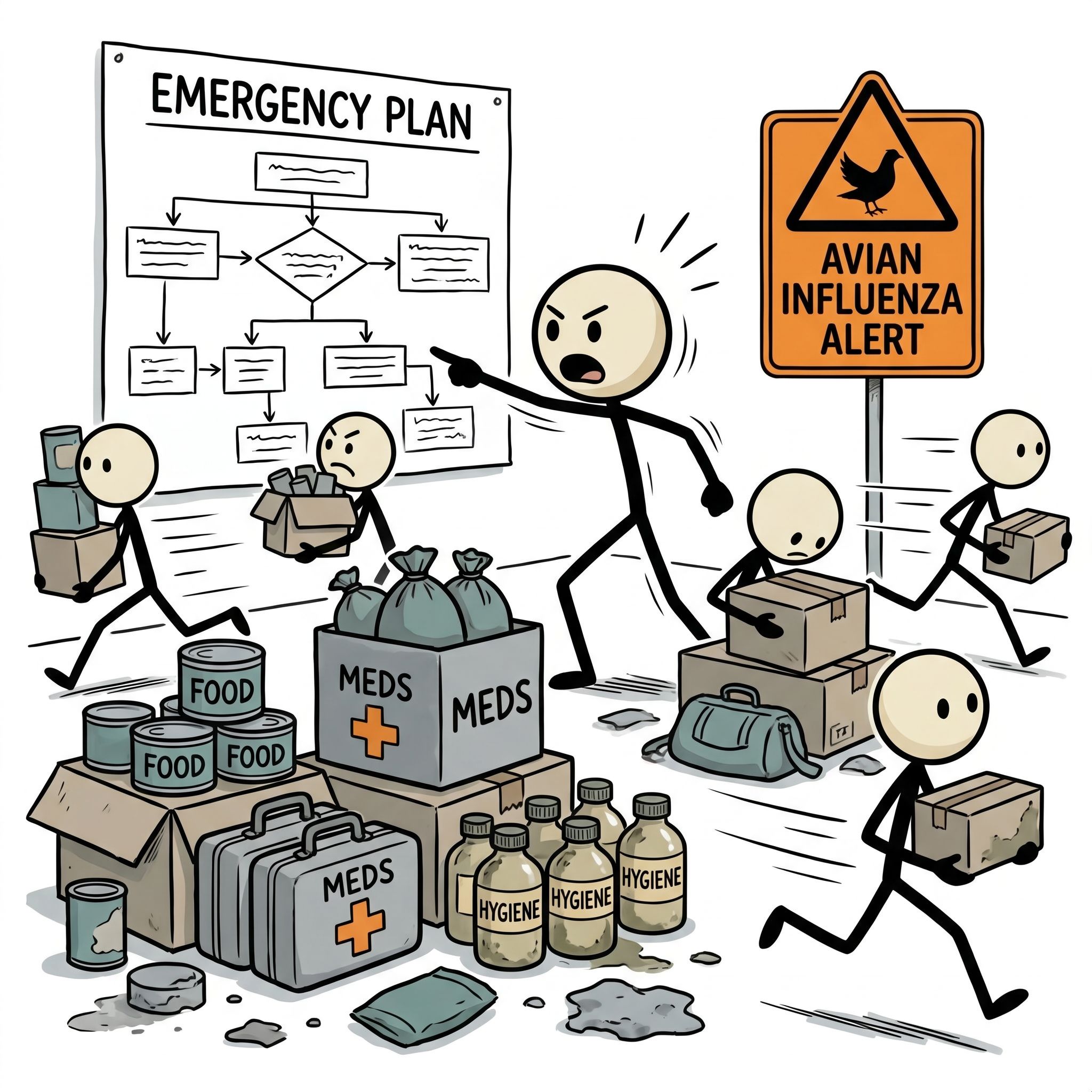
Understanding the Threat: Avian Influenza (H5N1) vs. Seasonal Flu
To prepare effectively, we must first understand what we are preparing for. Avian influenza refers to a broad family of Type A influenza viruses that naturally circulate among wild aquatic birds. Highly Pathogenic Avian Influenza (HPAI) strains, particularly H5N1, are highly contagious among birds and can be exceptionally lethal to domestic poultry. When these viruses cross the species barrier into mammals, the risk of genetic mutation increases, which is why federal agencies monitor these spillovers with high scrutiny.
Unlike seasonal flu, which humanity has built significant collective immunity against, a novel pandemic influenza strain would find a population with little to no pre-existing defenses. This lack of immunity is what drives rapid transmission rates and high hospitalization demands. According to historical data from past influenza pandemics, the primary challenge for families is not just the virus itself, but the immediate, secondary societal impacts: overwhelmed healthcare systems, localized quarantine protocols, and severe labor shortages that disrupt critical utility and emergency food storage guide chains.
By focusing on targeted avian influenza prep, you are insulating your household from these systemic vulnerabilities. Rather than relying on last-minute runs to empty grocery store shelves, a structured, pre-emptive approach ensures you can shelter in place comfortably and safely, reducing your exposure to crowded public spaces when transmission rates are at their peak.
The Core Philosophy of Pandemic Preparedness
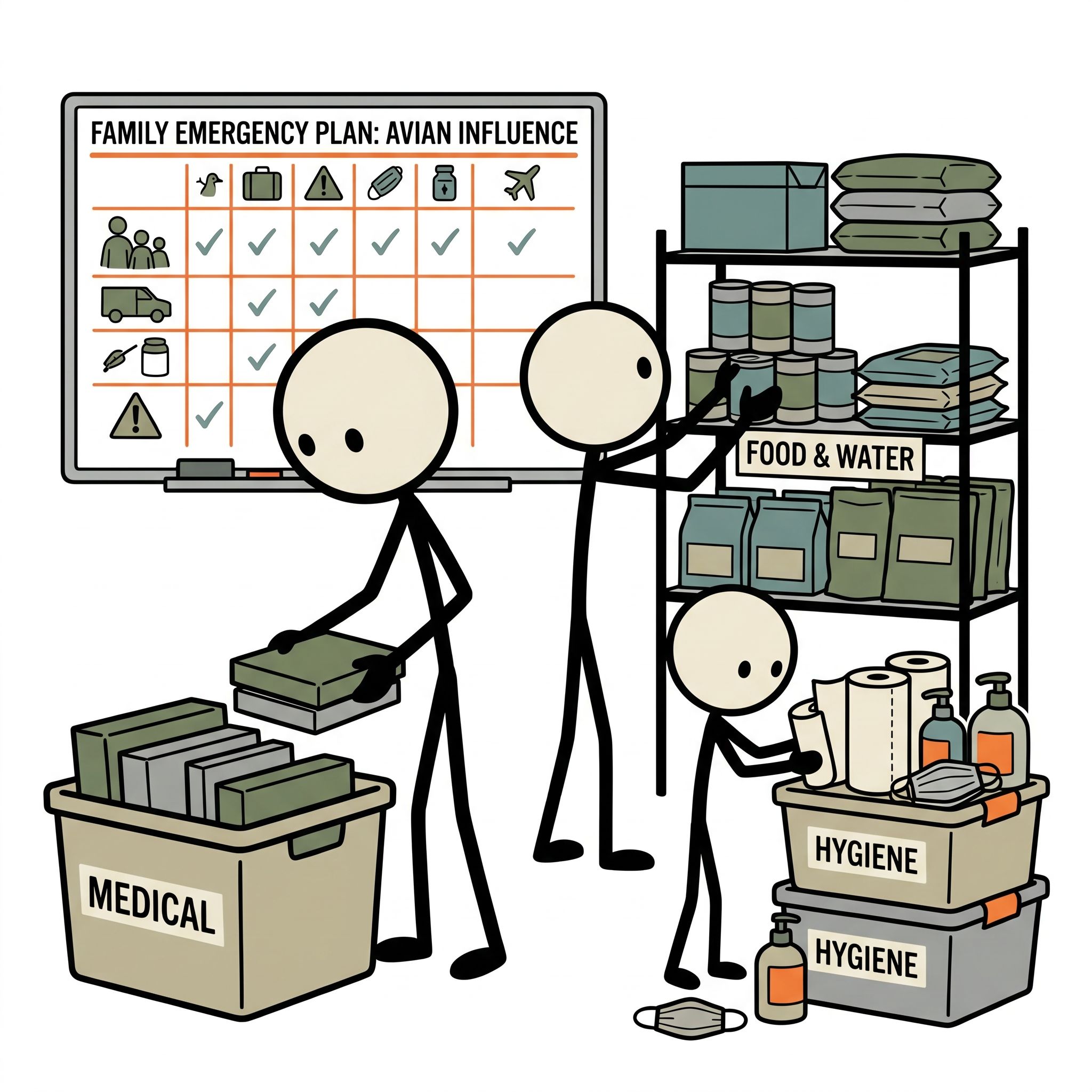
Pandemic preparedness differs fundamentally from preparing for localized natural disasters like hurricanes, earthquakes, or floods. During a weather-related emergency, the physical infrastructure—roads, power grids, and water treatment facilities—is often damaged, but the surrounding regions remain unaffected, allowing external aid to pour in. In contrast, a pandemic leaves physical infrastructure completely intact, but severely degrades the human workforce required to operate it.
This means your municipal water will likely keep running, and your electricity will likely stay on, but the systems that deliver physical goods to your local stores will experience profound delays. Truck drivers, warehouse workers, and grocery store staff may be sick or quarantined, leading to prolonged stockouts of basic necessities. Therefore, your pandemic stockpile list must prioritize long-term self-sufficiency and infection prevention at home.
The American Red Cross emphasizes that the goal of pandemic planning is to minimize your need to leave the house. Every trip to a retail store, pharmacy, or medical clinic during an outbreak represents a vector of exposure. By establishing a robust home reserve, you effectively remove your family from the transmission chain, protecting both your household and your community's medical resources.
The Ultimate Pandemic Stockpile List
Building a resilient home inventory requires a systematic approach. Rather than buying random items in bulk, organize your acquisitions into three distinct categories: medical and personal protective equipment (PPE), shelf-stable nutrition, and sanitation/hygiene supplies. This ensures no critical gaps are left in your household defenses.
Essential Medical Supplies for Pandemic Defense
In a severe outbreak, local clinics and emergency rooms will be operating at maximum capacity. Having the right medical supplies for pandemic care at home allows you to manage mild to moderate symptoms safely without exposing your family to crowded waiting rooms.
- N95 and KN95 Respirators: Standard surgical masks do not provide adequate filtration against aerosolized viral particles. Ensure you have at least 20 NIOSH-approved N95 respirators per family member, stored in a dry, temperature-controlled environment.
- Eye Protection: Influenza viruses can enter the body through the conjunctiva of the eyes. Stock splash-resistant safety goggles or full-face shields to wear alongside your respirators if you must enter high-risk environments.
- Nitrile Gloves: Acquire several boxes of powder-free nitrile gloves for handling potentially contaminated packages, cleaning isolation areas, or administering care to a sick household member.
- Diagnostic and Monitoring Tools: High-quality digital thermometers (both non-contact infrared and oral backups) are vital. Additionally, stock pulse oximeters to monitor blood oxygen levels, as respiratory viruses can cause silent oxygen desaturation.
- Fever Reducers and Therapeutics: Maintain a 90-day supply of over-the-counter fever reducers and anti-inflammatories, including Acetaminophen (Tylenol) and Ibuprofen (Advil). Stock vapor rubs, throat lozenges, and saline nasal sprays to alleviate upper respiratory discomfort.
- Prescription Medications: Work with your primary care physician to secure a 30- to 90-day emergency supply of any daily maintenance medications. Many insurance providers allow for "vacation overrides" or emergency refills if requested.
- Oral Rehydration Salts (ORS): Severe influenza can cause rapid dehydration. Stock commercial ORS packets (like Pedialyte or WHO-formulated rehydration salts) to quickly restore electrolyte balance in children and adults.
Nutritional Security: Food and Water Storage
Your food stockpile should focus on high-calorie, nutrient-dense, and shelf-stable items that require minimal preparation. If utility grids experience temporary maintenance disruptions due to labor shortages, you must be able to feed your family without relying on a microwave or electric stove.
Calculate your family's daily caloric needs. A standard family of four requires approximately 8,000 to 10,000 calories per day to maintain energy and health. Focus your acquisitions on the following pillars:
- Grains and Starches: White rice, rolled oats, pasta, and instant grits have shelf lives extending from 5 to 30 years when packaged correctly in Mylar bags with oxygen absorbers.
- Proteins: Canned chicken, tuna, salmon, and beef provide essential fats and proteins. Canned beans, peanut butter, and protein powders are excellent, shelf-stable alternatives.
- Fruits and Vegetables: Canned peaches, pears, green beans, and carrots prevent dietary fatigue and ensure your family receives vital micronutrients and fiber during extended isolation.
- Cooking Fats: Olive oil, coconut oil, and clarified butter (ghee) are incredibly calorie-dense and necessary for preparing satisfying meals.
- Water Reserves: While municipal water systems are highly resilient, FEMA recommends storing a minimum of one gallon of Water Calculator per day for drinking, sanitation, and food preparation. For a 30-day pandemic plan, a family of four should aim for 120 gallons of stored water, alongside high-capacity gravity-fed water filters.
Sanitation and Hygiene Supplies
Maintaining a high standard of environmental cleanliness is your primary line of defense against surface-to-surface (fomite) transmission. Influenza viruses are enveloped viruses, meaning they possess an outer lipid membrane that is easily disrupted by proper cleaning agents.
- Hand Hygiene: Stock liquid hand soap in bulk refills, alongside alcohol-based hand sanitizer containing at least 60% to 70% ethyl or isopropyl alcohol. Place sanitizer dispensers at every entrance to your home.
- EPA-Approved Disinfectants: Look for disinfectants specifically registered on the EPA's List N, which are proven effective against emerging viral pathogens. Bleach (sodium hypochlorite) is highly effective but has a shelf life of only one year; consider stocking calcium hypochlorite (pool shock) for long-term dry storage and reconstitution.
- Waste Management: Stockpile heavy-duty contractor trash bags, paper towels, and disinfectant wipes. If a household member is isolated, all of their personal waste should be bagged separately and treated with disinfectant before disposal.
- Personal Care: Do not overlook daily hygiene essentials. Stock a 3-month supply of toothpaste, toothbrushes, toilet paper, feminine hygiene products, and baby wipes.
Family Emergency Planning & Household Protocols
Gathering supplies is only half of the preparedness equation. Without an actionable, practiced plan, even the most well-stocked home can experience cross-contamination and operational failure during a crisis. Practical family emergency planning involves establishing clear boundaries, emergency communication plan channels, and isolation protocols within your household.
Establishing a Household Isolation Room
If a member of your family begins showing symptoms of respiratory illness, you must immediately isolate them to prevent the virus from spreading to the rest of the household. Designate a specific bedroom in your home as the "Isolation Ward." Ideally, this room should have an attached, dedicated bathroom that is not shared by healthy family members.
To set up the isolation room effectively:
- Ventilation Control: Place a portable HEPA air purifier inside the isolation room to continuously filter viral particles from the air. If weather permits, crack a window slightly to encourage fresh air exchange, but keep the door to the rest of the house closed.
- Decontamination Zone: Set up a small table directly outside the isolation room door. This table should hold fresh N95 masks, gloves, hand sanitizer, and disinfectant wipes. Anyone entering the room to deliver food or check vitals must don PPE before entering and carefully doff and sanitize upon exiting.
- Dedicated Utensils and Linens: Assign specific plates, cups, utensils, and bedding to the isolated individual. Wash these items separately in hot, soapy water, or use disposable paper products that can be bagged and discarded immediately.
Developing a Family Communication and Logistics Plan
A pandemic event can unfold rapidly, catching family members at work, school, or traveling. Utilizing frameworks from the Federal Emergency Management Agency (FEMA), construct a comprehensive communication plan that outlines how your family will coordinate during the initial stages of an outbreak.
Identify an out-of-area emergency contact. During localized crises, local communication networks can become congested, but long-distance text messages often go through. Ensure every family member has this contact's phone number memorized or written on a physical card in their wallet.
Define clear triggers for when your family will transition to a shelter-in-place posture. For example, your trigger might be a specific level of community transmission reported by local public health departments, or the closure of local school districts. Having pre-defined triggers removes emotional hesitation when it is time to execute your plan.
Daily Household Sanitation Protocols
Implement daily biosecurity measures within your home during periods of heightened pandemic risk. Create a "transition zone" at your main entryway. This is a designated area where family members returning from essential trips must remove their shoes, sanitize their hands, discard or store outerwear, and disinfect high-touch items like keys, phones, and wallets.
Establish a daily schedule for disinfecting high-touch surfaces throughout the common areas of your home. Focus on doorknobs, light switches, cabinet handles, refrigerator doors, faucets, and toilet flush levers. Consistent, daily reduction of viral loads on these surfaces significantly lowers the risk of accidental exposure.
Biosecurity at Home: Preventing Animal-to-Human Transmission
Because avian influenza is fundamentally a zoonotic disease, families must pay close attention to potential exposure vectors right in their own backyards. The USDA's "Defend the Flock" program offers excellent biosecurity guidelines that can be adapted for residential properties, particularly those with backyard poultry or frequent wildlife visitors.
If you keep backyard chickens or ducks, they represent a primary vulnerability for introducing H5N1 to your immediate environment. Prevent any direct or indirect contact between your domestic birds and wild waterfowl. Keep poultry in fully enclosed coops with fine wire mesh that prevents wild birds from sharing feed or water sources. Always wear dedicated footwear and clothing when tending to your flock, and wash your hands thoroughly with soap and water immediately afterward.
For households without poultry, wild birds still present a risk. During periods of active avian influenza transmission, it is highly recommended to temporarily remove wild bird feeders and birdbaths from your yard. These gathering points encourage high densities of different bird species, facilitating rapid viral spread and increasing the concentration of viral shedding in your immediate outdoor living spaces.
Furthermore, protect your household pets. Dogs and outdoor cats can easily contract influenza strains if they come into contact with infected bird carcasses or contaminated ponds. Keep dogs on a leash during walks to prevent them from investigating dead wildlife, and keep cats indoors to eliminate their hunting of wild birds.
Execution Checklist: Your Step-by-Step Preparedness Timeline
Preparing your household does not need to happen overnight. A phased, systematic approach allows you to build your reserves without straining your monthly budget or causing unnecessary anxiety within your family. Use this structured timeline to guide your efforts:
| Phase | Focus Area | Key Actions |
|---|---|---|
| Phase 1: Week 1-2 | Assessment & Communication | Draft your family communication plan. Inventory your existing medical cabinet. Identify a room in your house suitable for isolation. |
| Phase 2: Week 3-4 | Personal Protection (PPE) | Acquire N95 respirators, safety goggles, and nitrile gloves. Purchase a high-quality pulse oximeter and digital thermometers. |
| Phase 3: Month 2 | Nutritional Foundation | Begin adding extra shelf-stable foods to your weekly grocery trips. Secure a 30-day supply of essential daily medications. |
| Phase 4: Month 3 | Sanitation & Water | Establish your water storage containers. Purchase bulk cleaning agents, EPA-approved disinfectants, and heavy-duty waste bags. |
| Phase 5: Ongoing | Maintenance & Review | Rotate food and water supplies annually. Monitor USGS and CDC updates for changes in avian influenza patterns. Practice isolation protocols. |
Empowered Preparedness: Securing Peace of Mind
True emergency preparedness is not born out of fear, but out of a profound respect for the realities of our interconnected world. By taking deliberate, measured steps to secure your avian influenza prep supplies and establishing robust household protocols, you are taking control of your family's safety and well-being. This proactive approach transforms potential vulnerability into a position of strength and resilience. Rather than reacting to the chaotic news cycles of tomorrow, you can rest easy today, knowing that your home is a secure sanctuary, fully equipped to weather whatever challenges the future may hold.
Frequently Asked Questions
What is the difference between seasonal flu and a bird flu pandemic?
Seasonal flu occurs annually from mutating but familiar human influenza viruses. A bird flu pandemic occurs if a novel avian influenza virus (like H5N1) mutates to spread easily and sustainably among humans, who have little to no pre-existing immunity.
What specific personal protective equipment (PPE) should I stockpile?
Stockpile NIOSH-approved N95 or P100 respirators, form-fitting protective goggles to prevent eye contact, disposable nitrile gloves, and fluid-resistant gowns or aprons to guard against infectious droplets.
How much food and water should families store for a pandemic?
Store a minimum of a 2-week to 4-week supply of non-perishable food and one gallon of water per person per day. This minimizes the need to visit crowded grocery stores during peak transmission periods.
Can you contract bird flu from eating poultry or eggs?
No, provided they are cooked properly. Cooking poultry, poultry products, and eggs to an internal temperature of 165°F (74°C) kills the avian influenza virus. Avoid consuming raw or undercooked eggs and poultry.
What medical supplies are critical for a pandemic stockpile?
Stockpile a 30-day supply of essential prescription medications, fever reducers (acetaminophen or ibuprofen), cough suppressants, electrolyte replacement packets, a working thermometer, and soap or alcohol-based hand sanitizer.