⚡ Key Facts
- Just-In-Time Vulnerability: Modern grocery stores operate on a "just-in-time" inventory model, typically holding only a 3-day supply of food on their shelves at any given moment.
- Cascading Disasters: According to the National Oceanic and Atmospheric Administration (NOAA), the U.S. experiences a rising number of billion-dollar weather disasters annually, which severely disrupt regional and national logistics routes.
- The 72-Hour Baseline: The Federal Emergency Management Agency (FEMA) recommends every household maintain a minimum of 72 hours of self-sufficiency, but notes that severe supply chain disruptions can take weeks to fully resolve.
- Inflationary Pressures: Proactive purchasing acts as a financial hedge; buying shelf-stable goods at today's prices protects your household budget against future market volatility and rising food costs.
- Psychological Resilience: The American Red Cross notes that households with established family emergency plans and supplies experience significantly less stress and trauma during sudden crises compared to unprepared households.
We have all witnessed the fragility of modern convenience. Whether it is the sudden clearing of supermarket shelves ahead of a forecasted hurricane, or the sweeping, nationwide shortages triggered by global health crises, the reality is that our access to daily necessities is not guaranteed. When a crisis strikes, the complex web of trucks, warehouses, and distribution centers that keeps our communities fed can grind to a halt in a matter of hours. The sight of empty aisles can easily trigger anxiety, but it does not have to dictate your family's reality. By acknowledging the vulnerabilities in our modern logistics network, you can take proactive steps to insulate your household from the chaos. Learn more in the emergency food and water storage guide.
True emergency preparedness is not about reacting to the latest news cycle or rushing to the store with the masses. It is about adopting a lifestyle of steady, strategic readiness. This methodology shifts you away from the anxiety of the unknown and places you firmly in control of your family's immediate needs. When you understand how to build a resilient home infrastructure, a disruption at the local grocery store becomes a mere inconvenience rather than a full-blown emergency. See the supply calculator.
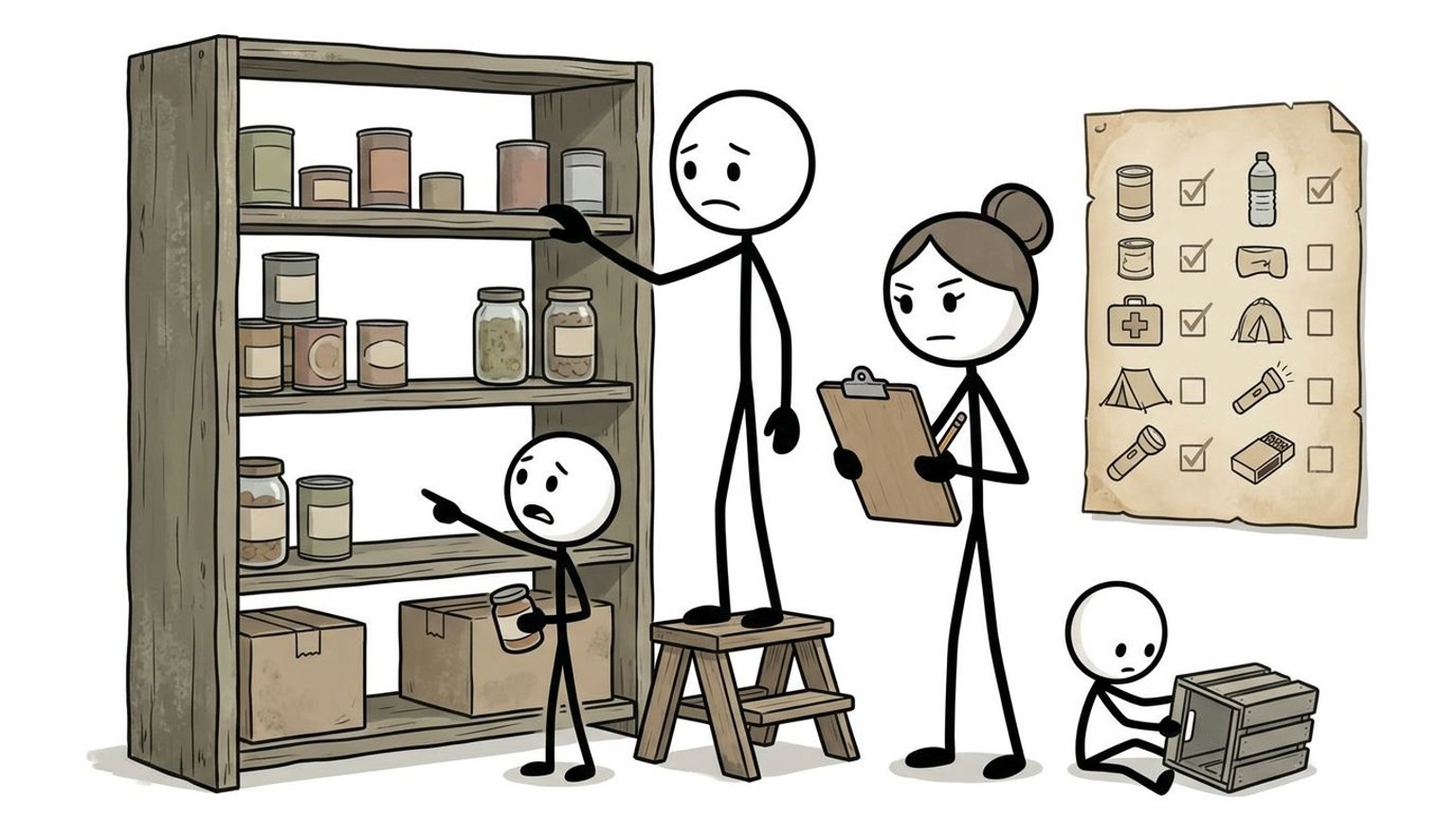
This comprehensive guide explores the mechanics of household resilience planning. We will break down actionable, methodical strategies for supply chain shortage preparedness, including how to build a robust pantry buffer, develop smart substitution lists, control your spending during inflationary periods, and maintain an efficient restock cadence. By implementing these systems, you are not just stockpiling goods; you are building a flexible, enduring foundation for your family's future. See the water calculator.
The Reality of Modern Supply Chain Vulnerabilities
To effectively prepare for shortages, it is crucial to understand why they happen. The global supply chain is a marvel of modern engineering, designed for maximum efficiency and minimal overhead. However, this efficiency comes at the cost of resilience. Retailers rely on "just-in-time" delivery systems, meaning they receive goods exactly when they need them to restock shelves, rather than holding massive reserves in backrooms. While this keeps prices lower in peacetime, it creates a massive bottleneck during a crisis. See the family emergency planning guide.
When an unexpected event occurs—be it a massive seismic event noted by the United States Geological Survey (USGS), a severe winter storm, or a cyberattack on a major shipping port—the delicate balance of supply and demand shatters. Consumers instinctively buy more than usual, rapidly depleting the 3-day buffer stores typically hold. Meanwhile, the trucks scheduled to replenish those stores are delayed or rerouted. This creates a compounding effect where shelves remain bare for extended periods, driving further public anxiety. See the survival scenarios section.
Understanding this system highlights why reactionary buying is a failing strategy. If you wait until the emergency is announced to begin your food shortage prep, you are already competing with hundreds of people in your community for a mathematically insufficient pool of resources. The goal is to separate yourself entirely from this panic cycle. By establishing your supplies weeks, months, or even years in advance, you step out of the frantic supply-and-demand loop and secure your family's well-being on your own terms. See the Protocol Survival app plans.
Household Resilience Planning: A Strategic Foundation
Household resilience planning is the overarching philosophy that guides intelligent preparedness. It is the shift from viewing emergency supplies as a dusty box of rations in the basement to treating them as an integrated, rotating part of your daily life. A resilient household is one that can absorb external shocks—whether that is a localized power outage, a sudden job loss, or a nationwide logistical failure—without a significant drop in its standard of living.
FEMA’s National Household Disaster Questionnaire consistently reveals that a significant portion of the population lacks basic emergency supplies. Bridging this gap requires treating your home like a micro-economy. You become the supply chain manager for your family. This involves assessing your daily consumption rates, identifying critical dependencies, and creating redundancies for the items you cannot live without.
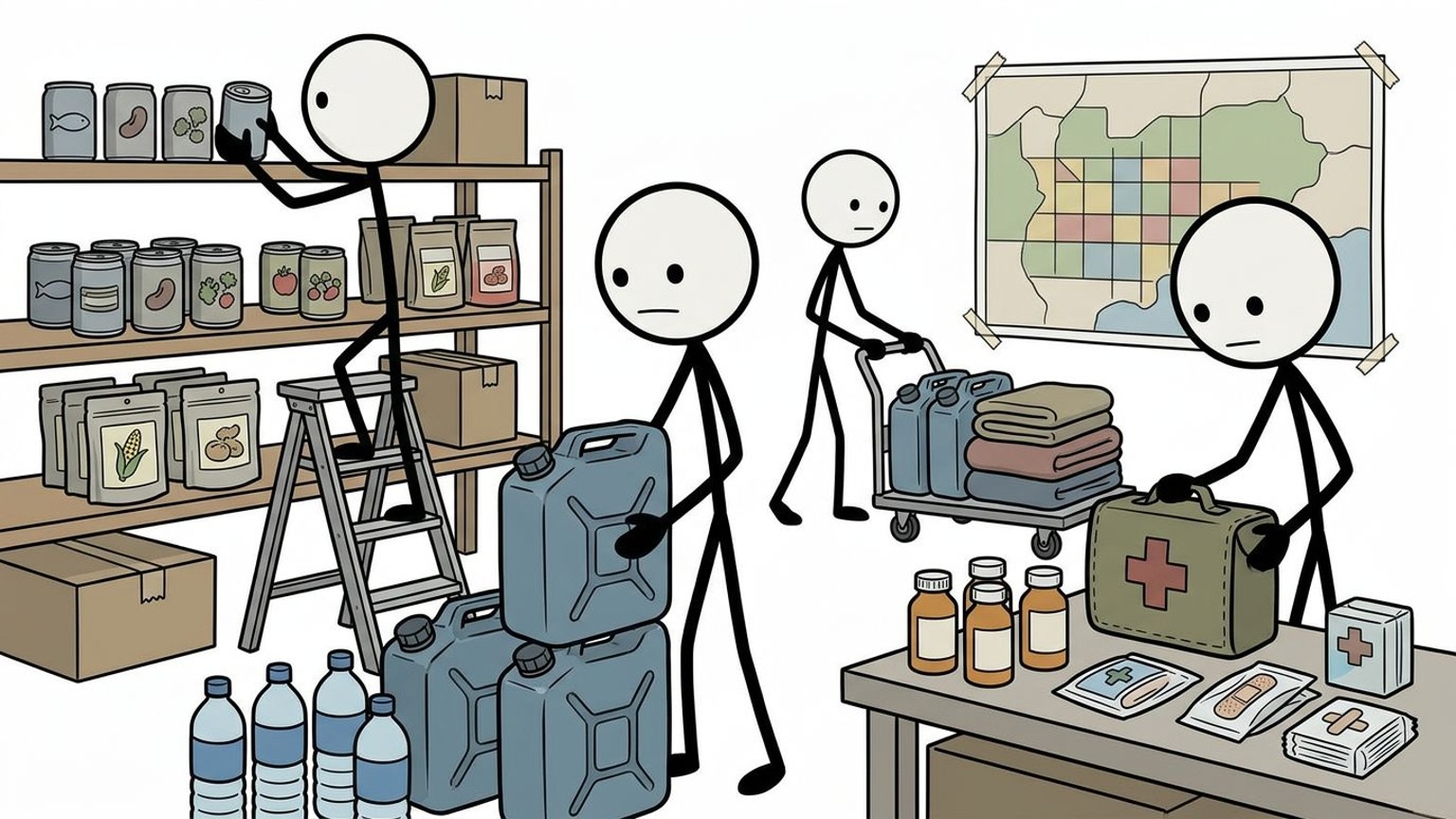
This approach relies heavily on panic buying alternatives. Instead of maxing out credit cards on a single, chaotic trip to a big-box store, resilience planning advocates for incremental, sustainable accumulation. It is a methodical process of evaluating what your family actually uses, setting realistic goals, and slowly building a safety net that seamlessly blends into your everyday routine. This deliberate pacing not only protects your finances but also ensures you are acquiring goods you will genuinely consume.
Pantry Buffering: Building a Deep Larder
The cornerstone of supply chain shortage preparedness is the pantry buffer. A buffer is exactly what it sounds like: a cushion of resources that stands between your family and external scarcity. Building a deep larder is not about hoarding; it is about extending your household's runway. If the supply chain stops tomorrow, how long can your family eat normally? How long can they eat comfortably? How long can they survive? Pantry buffering answers these questions.
The "Copy Canning" Method
One of the most effective panic buying alternatives is a strategy often referred to as "copy canning" or the "plus-one" method. The premise is incredibly simple: every time you go to the grocery store for your normal weekly shopping, you buy one extra of the shelf-stable items you are already purchasing. If you need two cans of black beans for a recipe, you buy three. If you need a jar of peanut butter, you buy two.
This method prevents the financial shock of buying bulk emergency food storage guide all at once. Furthermore, it guarantees that your pantry buffer is composed entirely of foods your family already eats and enjoys. In a high-stress emergency situation, maintaining a sense of normalcy through familiar meals is vital for psychological comfort, especially for children. Gradually, your one-week supply naturally grows into a two-week supply, and eventually into a robust three-month buffer.
Macronutrient Balancing
As your buffer grows, you must ensure it is nutritionally sound. A common mistake in food shortage prep is stockpiling vast amounts of carbohydrates—like rice and pasta—while neglecting proteins and healthy fats. In a prolonged disruption, nutritional fatigue and protein deficiency can severely impact your physical energy and immune system.
- Proteins: Stockpile a variety of canned meats (chicken, tuna, salmon), dried legumes (lentils, chickpeas, black beans), and protein-rich grains like quinoa.
- Fats: Fats are crucial for brain function and satiety. Include olive oil, coconut oil, nuts, seeds, and peanut butter in your buffer. Keep an eye on expiration dates, as oils can go rancid over time.
- Carbohydrates: Beyond rice and pasta, include rolled oats, potato flakes, and diverse grains. These provide the baseline caloric energy required for stressful situations.
- Micronutrients: Do not forget the vitamins. Canned fruits and vegetables, freeze-dried greens, and daily multivitamins are essential to prevent deficiencies when fresh produce is unavailable.
The Water Imperative
No pantry buffer is complete without adequate Water Calculator. The Centers for Disease Control and Prevention (CDC) recommends storing at least one gallon of water per person, per day, for a minimum of three days—though a two-week supply is a much safer target for resilience planning. This covers both hydration and basic sanitation. Store water in food-grade, UV-resistant containers, and keep a reliable water filtration system on hand to process tap water or natural sources if municipal lines are compromised.
Smart Substitution Lists: Flexibility is Survival
Even the most well-stocked pantry will eventually run low on specific items during an extended supply chain freeze. This is where culinary flexibility becomes a vital survival skill. When a specific ingredient is entirely unavailable at the market, a smart substitution list allows you to pivot without sacrificing the nutritional value or morale-boosting quality of a meal.
Resilience planning dictates that you should rarely rely on a single point of failure. If a recipe absolutely requires eggs, and eggs are nowhere to be found, the meal should not be ruined. By familiarizing yourself with ingredient stand-ins, you maintain total control over your family's diet regardless of what the grocery store shelves look like.
Baking and Cooking Stand-Ins
Baking staples are often the first to disappear during a crisis. Learning how to manipulate alternative ingredients is a powerful form of food shortage prep. Consider keeping a printed substitution chart taped to the inside of your pantry door for quick reference.
- Egg Substitutes: For baking, one egg can be replaced by 1/4 cup of unsweetened applesauce, half a mashed banana, or a "flax egg" (1 tablespoon of ground flaxseed mixed with 3 tablespoons of water, left to sit for 5 minutes). For binding savory dishes, mashed potatoes or a tablespoon of mayonnaise can work wonders.
- Dairy Milk Substitutes: If fresh milk is scarce, powdered milk is the most obvious backup. However, you can also use evaporated milk diluted with water, or shelf-stable plant milks like almond, oat, or soy milk.
- Butter Substitutes: In baking, coconut oil, vegetable oil, or even mashed avocados can replace butter in a 1:1 ratio. Applesauce can also replace up to half the butter in a recipe to reduce reliance on fats.
- Flour Alternatives: If all-purpose flour is unavailable, rolled oats can be blended into oat flour. Almond flour, coconut flour, and even finely ground cornmeal can be used, though they may require adjustments to the liquid and binding agents in your recipe.
Protein Flexibility
Fresh meat supply chains are notoriously vulnerable to disruptions, as seen during recent global events where processing plants were forced to close. Your household resilience planning must include alternative protein sourcing.
If fresh ground beef is unavailable, rehydrated textured vegetable protein (TVP) or cooked lentils are excellent substitutes in tacos, chilies, and pasta sauces. Canned chicken can easily replace fresh chicken breasts in casseroles, salads, and soups. Understanding how to create a "complete protein" by combining incomplete plant proteins—such as rice and beans, or peanut butter and whole wheat bread—ensures your family receives essential amino acids even when animal products are scarce.
Spending Control and Inflation Defense
Supply chain disruptions rarely happen in a vacuum; they are almost always accompanied by economic turbulence. When goods become scarce, prices naturally rise. Therefore, a critical component of household resilience planning is inflation preparedness. Building a deep pantry is not just a hedge against empty shelves; it is a financial hedge against the devaluing of your currency.
When you buy a year's supply of pasta at today's prices, you are locking in that price. If inflation drives the cost of that pasta up by twenty percent over the next year, your localized, household inflation rate for that item is effectively zero. However, this strategy only works if you exercise strict spending control. Preparedness should never drive your family into high-interest debt.
Strategic Bulk Buying
Once you have built a baseline buffer using the copy canning method, you can transition into strategic bulk buying to maximize your spending control. Purchasing staples like rice, beans, flour, and sugar in 25- or 50-pound bags drastically reduces the unit price.
However, bulk buying requires proper storage to prevent spoilage and pest infestations, which would equate to throwing money away. Transfer bulk dry goods into food-grade five-gallon buckets lined with Mylar bags. Drop in oxygen absorbers before sealing the bags with a heat source (like a hair straightener). This method, often utilized in advanced food shortage prep, can extend the shelf life of dry staples for decades, securing your financial investment.
Avoiding the "Prepper Tax"
As you build your supplies, be wary of the "prepper tax"—the inflated prices charged for items explicitly marketed for survival or emergencies. While freeze-dried survival food buckets have their place in a long-term strategy, they are incredibly expensive per calorie.
For effective inflation preparedness, focus your budget on everyday supermarket staples. A hundred dollars spent on rice, dried beans, canned tomatoes, and cooking oil will yield significantly more calories and meals than a hundred dollars spent on specialized tactical meals. Track the unit prices of the items you buy most frequently. Learn the sales cycles of your local grocery stores, and stock up heavily when your core staples hit their rock-bottom prices. This disciplined approach ensures your preparedness efforts strengthen your financial position rather than draining it.
Restock Cadence: Maintaining the System
A resilient pantry is a living, breathing system. It is not a time capsule meant to be buried and forgotten until a disaster strikes. If you simply pack a closet full of canned goods and ignore it, you will eventually be faced with hundreds of dollars in expired, inedible food. To prevent this, you must establish a strict restock cadence and inventory management system.
The First-In, First-Out (FIFO) Rule
The golden rule of supply chain shortage preparedness at the household level is First-In, First-Out (FIFO). This is the exact same inventory management principle used by major supermarkets to minimize waste. When you bring new groceries home, they should never be placed at the front of the shelf.
Always push your older stock to the front and place the newly purchased items at the back. This ensures that you are constantly cycling through your oldest food first, drastically reducing the chance of anything expiring. Specialized can-rotating racks can be purchased or built to automate this process, allowing you to load new cans at the top while dispensing the oldest cans from the bottom.
Conducting Routine Audits
To maintain control over your supplies, schedule routine pantry audits. For most households, a bi-weekly or monthly check is sufficient. During this audit, you are looking for three specific things:
- Expiration Dates: Identify any items that are approaching their "best by" dates within the next three months. Move these items to a designated "eat soon" shelf in your active kitchen pantry so they are integrated into your upcoming meal plans.
- Stock Levels: Cross-reference your current inventory against your baseline goals. If your goal is to maintain twenty cans of diced tomatoes and you count only twelve, add eight cans to your master grocery list for the next shopping trip.
- Environmental Integrity: Check your storage areas for signs of moisture, temperature fluctuations, or pest activity. Ensure that buckets remain sealed and that cans are free of severe dents or rust. The CDC warns against consuming food from deeply dented or bulging cans, as this can be a sign of botulism.
Digital vs. Analog Tracking
Depending on the size of your buffer, you may need a system to track your inventory. For a standard two-week supply, visual checks are usually adequate. However, as you expand into a three-month or six-month supply, a formal tracking system becomes necessary.
Some families prefer analog methods, such as a dry-erase board mounted in the pantry or a dedicated notebook. Every time an item is removed, a tally mark is erased; every time an item is added, a mark is drawn. Others prefer digital solutions, utilizing spreadsheet apps on their smartphones or specialized pantry inventory applications. The best system is simply the one you and your family will consistently use. A tracking system provides you with hard data, removing the guesswork from your restock cadence and ensuring your household resilience planning remains sharp and accurate.
Empowering Your Family for the Future
Navigating the uncertainties of modern logistics does not require fear; it requires a blueprint. By embracing household resilience planning, you transform vulnerability into strength. Building a deep pantry buffer, mastering substitution lists, practicing disciplined spending control, and maintaining a strict restock cadence are all highly achievable steps that compound over time.
Remember that supply chain shortage preparedness is a marathon, not a sprint. Every extra can of food you purchase, every bulk bag of rice you properly store, and every new recipe you learn using alternative ingredients is a deposit into your family's security fund. When the next disruption inevitably ripples through the global market, you will not be standing in a chaotic grocery store line. Instead, you will be at home, providing for your loved ones with confidence, stability, and unparalleled peace of mind.
Prepare for supply shortages through our emergency preparedness guide. Build supply reserves from our emergency food storage guide. Calculate shortage supplies with our supply calculator. Build strategic kits with our go-bag builder. Learn supply chain resilience through our preparedness courses.
Frequently Asked Questions
What is the first step to prepare for this scenario?
Start with a realistic risk assessment for your location, then build a simple written plan your whole household can follow.
How much should beginners spend initially?
Begin with high-impact basics and a phased budget. Small consistent upgrades beat expensive one-time purchases.
How often should plans and gear be reviewed?
Audit every 6 to 12 months and after every real incident to capture lessons learned.
What should go in every emergency kit?
Water, food, first aid, lighting, communication, documents, and essential medications.
How do I get family buy-in for preparedness?
Keep it practical, avoid fear language, and run short drills that show clear everyday value.
Sources & Further Reading
Related resource: Supply Calculator.