⚡ Key Facts
- Generic kits fall short: Standard pre-packaged survival kits rarely include supplies for menstruation, hormonal health, or infant care, leaving a critical gap in emergency prep for women.
- Sanitation risks multiply in disasters: The Centers for Disease Control and Prevention (CDC) warns that compromised water systems following natural disasters significantly increase the risk of urinary tract and reproductive infections.
- Security is a vital metric: According to reports from the American Red Cross and global humanitarian agencies, women face heightened vulnerabilities and security risks in crowded, temporary evacuation shelters.
- Medication supply chains break: FEMA recommends maintaining at least a 14-to-30 day supply of essential medications, as local pharmacies can remain closed or understocked for weeks following a major event.
- Weight matters: A properly built womens emergency go-bag essentials guide should ideally weigh no more than 15% to 20% of your total body weight to ensure mobility during a crisis.
Imagine the sirens sounding or the emergency alert blaring on your phone at 2:00 AM. A wildfire is cresting the ridge, or a hurricane has suddenly shifted course toward your coastal town. You grab the pre-packaged survival bag you bought online and evacuate. It isn't until you are sitting in a crowded high school gymnasium 24 hours later that you realize the glaring omissions. The kit has waterproof matches, a wire saw, and a tactical knife—but it lacks tampons, your thyroid medication, a secure way to lock the bathroom door, and pediatric supplies for your toddler. When disasters strike, the generic approach to survival simply does not account for the biological, medical, and security realities that women face. Learn more in the go-bag essentials guide.
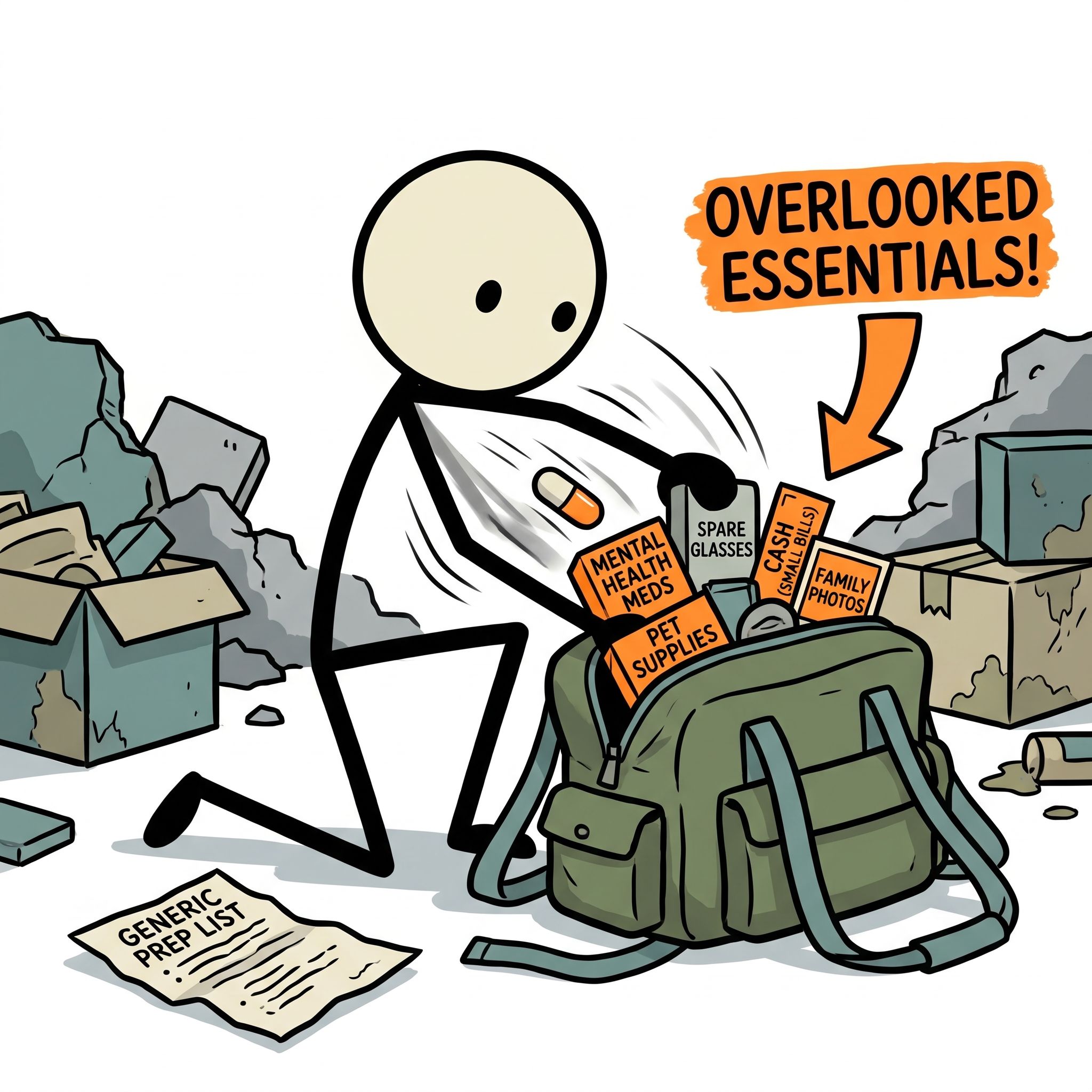
The survival and preparedness industry has historically leaned heavily toward a male-centric viewpoint. Standard checklists often prioritize wilderness bushcraft over practical, urban evacuation realities. However, true resilience means preparing for your specific needs. Biological functions, hormonal health, and personal safety do not pause for a natural disaster; in fact, the extreme stress of a crisis can exacerbate them. Stress can trigger early menstrual cycles, and disrupted sanitation can lead to immediate health complications. Learn more in the go-bag builder.
This guide is designed to bridge that gap. By taking an authoritative, empowering approach to emergency prep for women, we will dismantle the generic checklists and build a comprehensive strategy. Whether you are a mother organizing supplies for young children or preparing for a women traveling solo emergency, this comprehensive framework will ensure you are equipped, secure, and self-reliant when the unexpected occurs. Learn more in the water calculator.
The Biological Reality of Disasters: Building a Feminine Hygiene Emergency Kit
One of the most profound oversights in standard emergency kits is the complete lack of menstrual and intimate hygiene products. The CDC explicitly notes that following natural disasters—such as earthquakes tracked by the USGS or hurricanes monitored by NOAA—local water infrastructure is frequently compromised. Without clean running water, maintaining personal hygiene becomes not just a matter of comfort, but a critical health imperative.
Extreme stress directly impacts the endocrine system. The adrenaline and cortisol spikes associated with evacuating your home can cause your menstrual cycle to start days or even weeks early. If you are caught without supplies, you are forced to improvise with unsanitary materials, drastically increasing the risk of Toxic Shock Syndrome (TSS) and bacterial vaginosis.
Menstrual Care Strategies
When building your feminine hygiene emergency kit, redundancy is your best strategy. Do not rely on a single method of menstrual care, as your environment and access to water will dictate what is safest to use.
- Disposable Products: Pack a mix of tampons and high-absorbency pads. Pads are particularly valuable because they do not carry the risk of TSS if left in longer than usual, and they can double as emergency trauma dressings for severe cuts.
- Menstrual Cups and Discs: These are excellent, space-saving options for a go-bag. However, they require potable water to boil and sanitize between cycles. If a disaster compromises the municipal Water Calculator, you may not be able to safely clean a reusable cup. Always pack disposable backups.
- Period Underwear: Packing two pairs of period underwear provides an excellent, comfortable backup layer, especially when traveling or sleeping in a temporary shelter where leaks would be difficult to manage.
Sanitation Without Running Water
When the taps run dry, you must have a self-contained system for cleaning and disposal. In a shelter environment, communal bathrooms can degrade quickly. You need to be prepared to manage your hygiene independently.
- Unscented Baby Wipes: Scented products can disrupt your natural pH and cause irritation. Pack large packs of water-based, unscented wipes for full-body cleaning.
- Disposal Systems: Never assume you will have access to a working trash can. Pack opaque, sealable bags (dark-colored dog waste bags work perfectly) to discreetly and safely dispose of used hygiene products. Add heavy-duty Ziploc bags to double-seal waste and trap odors.
- Peri Bottles: A portable peri bottle (commonly used postpartum) is an incredibly efficient way to wash using very little of your precious drinking water.
- Hand Sanitizer: Ensure you have a high-alcohol (at least 60%) hand sanitizer to clean your hands before and after changing any menstrual products.
Medication and Hormonal Health Management
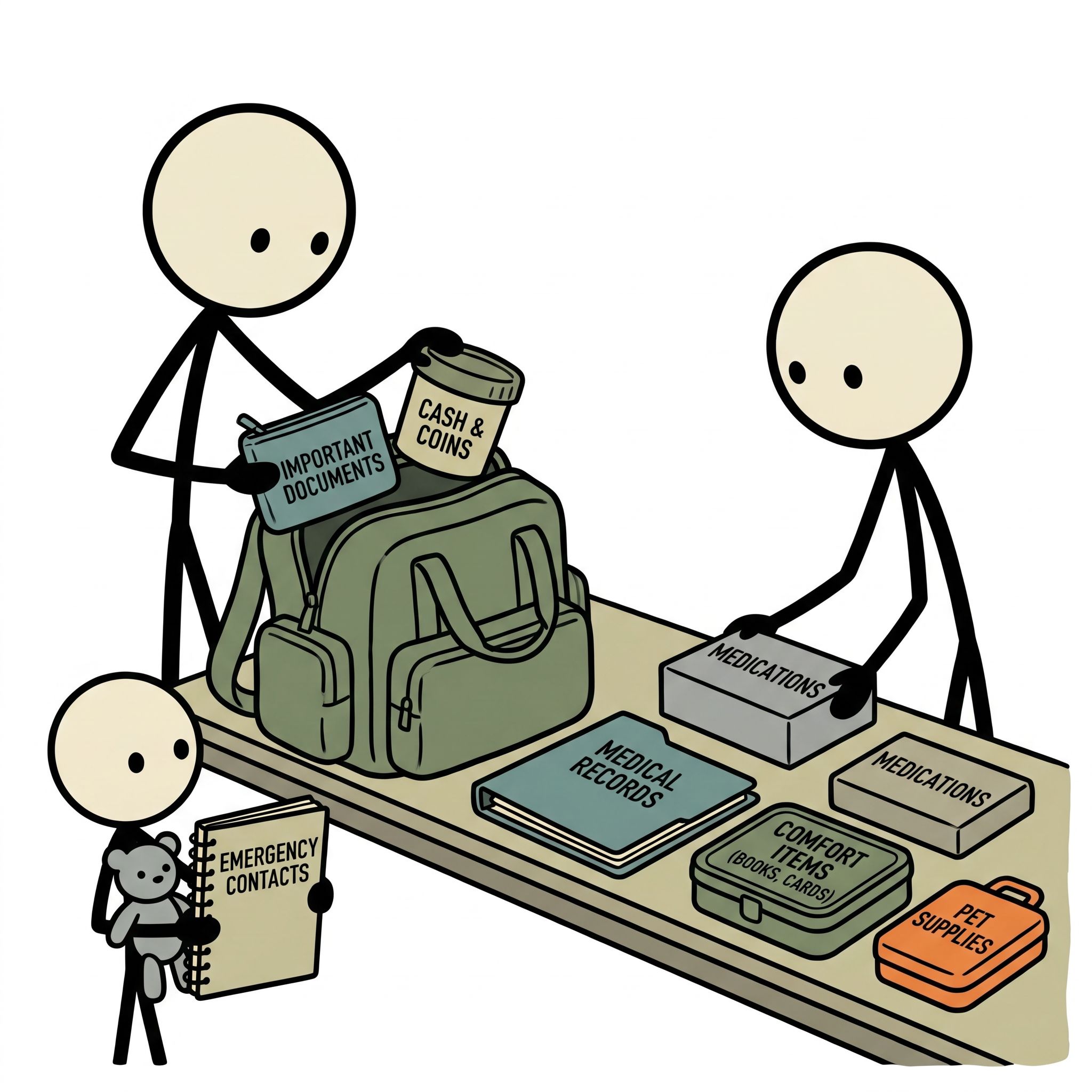
A sudden evacuation can sever your access to local pharmacies for weeks. While standard kits might include a basic first aid kit with bandages and ibuprofen, female emergency kit essentials must go much further to protect hormonal and reproductive health.
FEMA advises all individuals to keep a continuous 14-to-30 day supply of vital prescriptions in their go-bag. However, managing this requires proactive communication with your healthcare provider, as insurance companies often restrict early refills.
Prescription and Hormonal Preparedness
Hormonal health requires strict adherence to schedules. Missing doses of certain medications can lead to severe physical and emotional side effects, compounding the trauma of the disaster itself.
- Birth Control and HRT: Whether you rely on oral contraceptives, patches, or Hormone Replacement Therapy (HRT), ensure you have a one-month backup supply. If you use an IUD or implant, keep a record of the insertion date and your doctor's contact information in your emergency documents.
- Thyroid and Autoimmune Medications: Women are disproportionately affected by thyroid disorders and autoimmune diseases. Medications like Levothyroxine must be taken daily. Store these in a waterproof, crush-proof container.
- Temperature Control: If your medications (like certain injectables or insulin) require refrigeration, invest in a medical-grade cooling wallet (like a Frio bag) that activates with just a small amount of water and keeps medications cool for days without ice.
Over-the-Counter Rescue Medications
Disaster environments—characterized by wet clothes, dehydration, and poor sanitation—are breeding grounds for specific infections that disproportionately affect women. You must pack OTC remedies to treat these issues immediately, as accessing a doctor may be impossible.
- UTI Relief and Treatment: Pack an over-the-counter analgesic (like AZO) to manage the severe pain of a Urinary Tract Infection. If your doctor is willing, ask for an emergency prescription of antibiotics (like Macrobid) to keep in your kit.
- Yeast Infection Treatments: Wet conditions, such as wading through floodwaters after a hurricane, can easily trigger yeast infections. Pack a 3-day or 1-day OTC antifungal treatment (like Monistat).
- Emergency Contraception: Regardless of your relationship status, packing a dose of emergency contraception (like Plan B) is a prudent, forward-thinking step for reproductive autonomy during chaotic times.
Personal Safety and Security for the Solo Evacuator
Evacuating your home is inherently dangerous, but doing so alone introduces specific vulnerabilities. Reports from the American Red Cross and the United Nations highlight a disturbing reality: instances of harassment and gender-based violence often spike in the aftermath of disasters. Crowded evacuation centers, darkened streets due to grid failures, and the general breakdown of social order require a proactive approach to your personal security.
If you are caught in a women traveling solo Survival Scenarios—perhaps your car breaks down during a blizzard, or you are evacuated from a hotel in an unfamiliar city—your go-bag must function as a shield just as much as a survival kit. Empowerment comes from knowing you have the tools to protect your physical boundaries. Learn more in the survival scenarios.
Securing Your Space
When you arrive at a temporary shelter, a hotel, or a friend's spare room, you cannot guarantee the security of the doors. You need lightweight tools to secure your sleeping quarters.
- Portable Door Locks: These small metal devices slide into the strike plate of almost any inward-swinging door, preventing it from being opened from the outside even if someone has a key.
- Rubber Door Wedges: A simple, heavy-duty rubber doorstop jammed under a door provides immense resistance against forced entry. For added security, consider a doorstop with a built-in 120-decibel alarm that triggers when pressure is applied.
- Personal Alarms: A pull-pin personal alarm attached to your backpack strap or belt loop can instantly draw attention and disorient a potential threat.
Illumination and Defense
Darkness is a primary risk factor during power outages. Relying solely on your smartphone flashlight drains your battery—your lifeline to emergency services and family. Learn more in the family emergency plan.
- Tactical Flashlights: Pack a high-lumen (1000+ lumens) tactical flashlight with a strobe function. A strobe light directed at an aggressor's eyes in the dark causes temporary blindness and disorientation, giving you precious seconds to escape.
- Legal Self-Defense Tools: Depending on your local laws, carry pepper spray or a pepper gel (which is less likely to blow back in your face in windy conditions). Keep it easily accessible on the outside of your bag, not buried at the bottom.
- The "Grey Man" Concept: In survival terminology, being a "grey man" means blending in and not drawing attention to yourself or your supplies. Choose a go-bag in muted, neutral colors (black, grey, navy) rather than bright tactical camouflage or flashy designer brands. You want to look like an average commuter, not someone carrying a highly valuable survival stash.
Building the Core: Female Emergency Kit Essentials
Beyond hygiene and security, the physical construction of your womens emergency go bag requires careful consideration. A bag that is too heavy or poorly fitted will exhaust you, slow you down, and potentially cause injury during a foot evacuation.
Standard military-style backpacks are often designed for broader shoulders and longer torsos. Women generally have shorter torso lengths and a different center of gravity. Investing in a backpack specifically engineered for women's ergonomics will distribute the weight to your hips rather than straining your neck and shoulders.
Apparel and Footwear
The clothing you pack must be functional, durable, and protective. Discard the idea of packing "loungewear" and focus on tactical utility.
- Supportive Undergarments: Pack at least two high-impact sports bras without underwire. Underwires can snap, chafe, or cause injury during strenuous activity. Moisture-wicking fabrics are essential to prevent fungal infections.
- Durable Pants with Pockets: Pack tactical or hiking pants made of ripstop material. Women's clothing notoriously lacks functional pockets; ensure your emergency pants have deep, zippered cargo pockets to keep your ID, cash, and phone directly on your person at all times.
- Sturdy Footwear: Never evacuate in sandals or heels. Keep a pair of broken-in, waterproof hiking boots right next to your go-bag. Add several pairs of merino wool socks to your kit—wool regulates temperature and retains its insulating properties even when soaking wet.
Hydration and Nutrition
Your caloric and hydration needs will spike during the physical exertion of an evacuation. FEMA recommends one gallon of water per person per day, but carrying three gallons of water (which weighs 24 pounds) in a backpack is impossible.
- Water Filtration: Carry a lightweight personal water filter (like a LifeStraw or Sawyer Squeeze) and water purification tablets. This allows you to safely drink from streams, hotel sinks, or public fountains even if a boil-water advisory is in effect.
- Dense Nutrition: Pack high-calorie, nutrient-dense foods that require no cooking. Energy bars, jerky, and trail mix are excellent. Pay attention to iron-rich snacks, as women are more prone to anemia, which can cause severe fatigue during high-stress events.
Considerations for Mothers and Young Children
For mothers, emergency preparedness carries the added, heavy responsibility of sustaining vulnerable lives. When you are evacuating with infants or toddlers, your go-bag must expand to become a mobile nursery and a pediatric medical kit. The USGS and FEMA advise that families with young children need to plan for a higher volume of supplies and anticipate a slower evacuation pace.
Children are highly susceptible to temperature changes, dehydration, and the emotional trauma of a disaster. Your kit must address their physiological needs while also providing psychological first aid to keep them calm and cooperative.
Infant and Toddler Essentials
Do not assume that emergency shelters will have baby supplies. During major hurricanes, formula and diapers are often the first items to disappear from store shelves and donation centers.
- Feeding Supplies: If you use formula, pack ready-to-feed liquid formula rather than powder. Powdered formula requires safe, sterilized water to mix, which may be unavailable. If you are nursing, pack extra hydration and high-calorie snacks for yourself to maintain your milk supply under stress.
- Diapering: Pack at least a 3-day supply of diapers. Pro tip: Pack diapers that are one size too big. A child can wear a slightly larger diaper securely, but trying to squeeze a growing toddler into a diaper that is too small will result in leaks and skin breakdown. Include an abundant supply of diaper rash cream and wipes.
- Pediatric Medications: Children cannot take adult dosages of emergency meds. Pack infant/children's acetaminophen or ibuprofen, a pediatric thermometer, and oral rehydration salts (like Pedialyte powder packets) to combat dehydration from diarrhea or vomiting.
Mobility and Psychological First Aid
Navigating debris-filled streets or crowded shelter lines with a stroller is often impossible. You need to keep your hands free while keeping your child secure.
- Baby-Wearing Gear: A soft-structured ergonomic baby carrier is a vital piece of emergency equipment. It keeps your child close, calms them through physical contact, and leaves your hands free to carry your go-bag, open doors, or defend yourself.
- Comfort Items: Do not underestimate the power of psychological comfort. Pack a small, lightweight item that brings your child joy—a favorite pacifier, a small stuffed animal, or a compact coloring book. Keeping a child quiet and calm is a crucial element of your overall safety strategy.
- Identification: In the chaos of an evacuation, families can become separated. Keep copies of your children's birth certificates and recent photos in your waterproof document bag. For toddlers who can walk, use a permanent marker to write your name and phone number on their arm or torso in case you are separated.
Empowering Your Preparedness Journey
Building a customized womens emergency go bag is not an exercise in paranoia; it is an act of profound self-advocacy. By acknowledging that generic survival lists do not account for your biological realities, you take control of your narrative. Disasters strip away the conveniences of modern life, but they do not have to strip away your dignity, your health, or your security.
Take the time this weekend to audit your current emergency supplies. Swap out the generic items for the female emergency kit essentials discussed here. Address your feminine hygiene emergency kit, rotate your medications, and ensure your personal safety tools are accessible and functional. Whether you are safeguarding a family of young children or preparing for a women traveling solo emergency, your readiness is your greatest asset. When you are prepared for the unique challenges you face, you stop being a potential victim of circumstance and become a capable, resilient force ready to weather any storm.
Frequently Asked Questions
What feminine hygiene products should be in an emergency kit?
A menstrual cup is the most practical long-term option — one cup lasts 10 years, requires only water to clean, and compresses to nothing in a bag. Supplement with a 2-week supply of your preferred backup products. Unscented panty liners have dual use as bandage pads.
What medications specific to women belong in an emergency kit?
All prescription hormonal medications (birth control, HRT) with a 30-day backup supply, yeast infection OTC treatment (stress and antibiotics trigger infections during emergencies), and urinary tract infection symptom relief medication.
What personal safety items should women include in a go-bag?
A personal alarm (SABRE or BASU — 120dB+) is legal everywhere and highly effective. A tactical flashlight doubles as a striking tool. A whistle. A door wedge alarm for hotel rooms or temporary shelter.
Review our bug-out evacuation strategies guide. Plan with family emergency planning resources. Consider medical preparedness needs. Use our supply calculator and browse our courses.
Sources & Further Reading
- Ready.gov Build A Kit
- Red Cross Emergency Kit
- CDC Women's Emergency Health
- FEMA Preparedness for All Populations