⚡ Key Facts
- Pathogen Prevalence: The Centers for Disease Control and Prevention (CDC) estimates that waterborne pathogens cause approximately 7.15 million illnesses and 6,630 deaths in the United States every single year. For the practical checklist side, use the community emergency preparedness guide.
- The Elevation Factor: Water boils at lower temperatures at high altitudes; if you live above 6,500 feet (2,000 meters), you must boil water for a full three minutes instead of the standard one minute. For the practical checklist side, use the neighborhood preparedness network.
- Filter Fallacy: Standard household carbon filters (such as Brita, Pur, or refrigerator dispensers) do not remove biological pathogens like viruses or bacteria; they are designed only for taste and chemical reduction. For the practical checklist side, use the emergency communication plan.
- Chlorine Resistance: Certain parasites, particularly Cryptosporidium, have an outer shell that makes them highly resistant to chlorine disinfection, meaning boiling is the safest and most reliable treatment method. For the practical checklist side, use the family emergency planning guide.
- FEMA Standards: Federal Emergency Management Agency (FEMA) guidelines state that a minimum of one gallon of water per person, per day is required for basic hydration and sanitation during an outage or advisory.
Imagine waking up at 6:00 AM to a cryptic, automated text alert from your local municipal utility: "Due to a localized drop in system pressure in Pressure Zone 4, a precautionary boil water notice has been issued for all residents north of Interstate 80." For the average homeowner, this bureaucratic jargon raises far more questions than it answers. Can you safely brush your teeth? Is the water safe for your toddler's morning bath? What about your dog’s water bowl, or the ice maker in your freezer? Public health notices are frequently written by engineers and legal teams to meet regulatory compliance, not to guide a busy family through a chaotic morning. When water security is compromised, confusion is your greatest enemy.
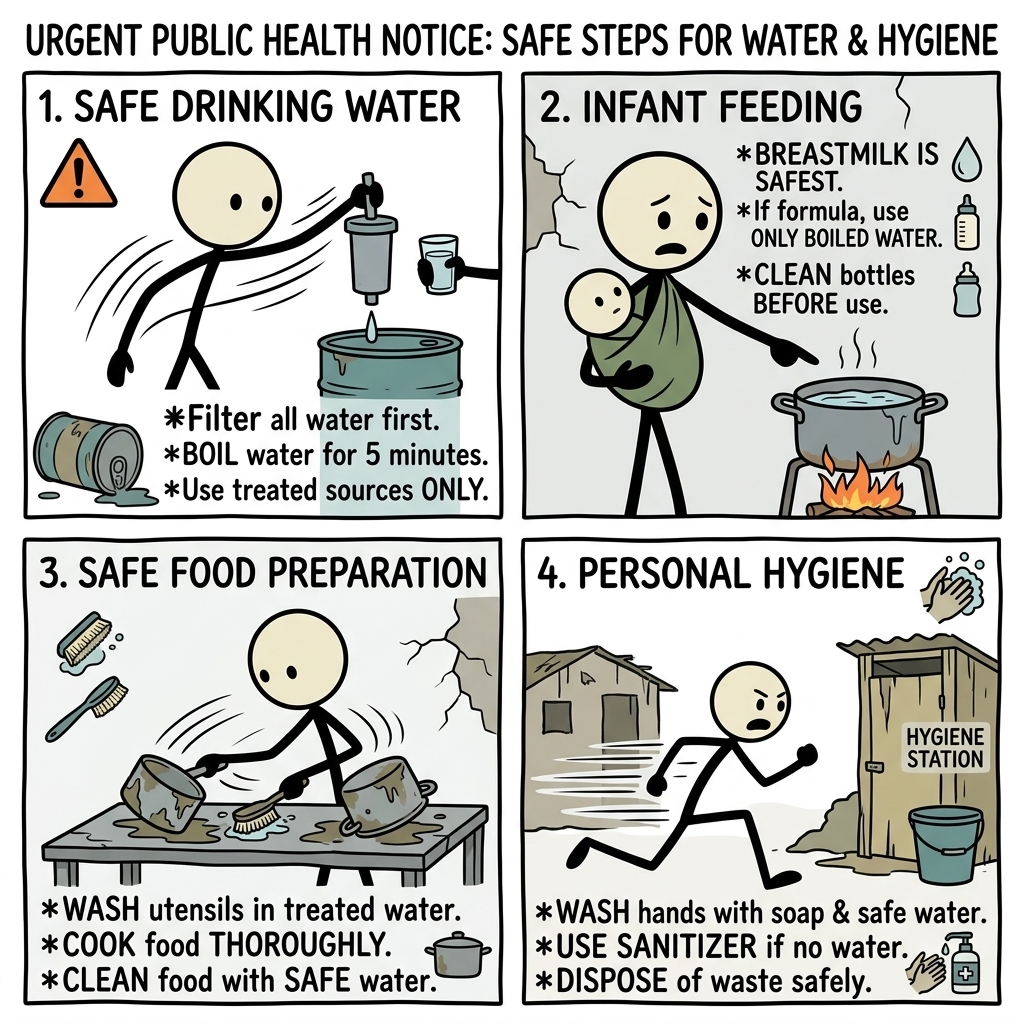
This guide translates dense, confusing public health alerts into clear, actionable, and scientifically backed protocols. By understanding the exact science of water purification and establishing a systematic household response, you can protect your family from waterborne pathogens without succumbing to panic. Whether you are currently facing an active utility crisis or building out your comprehensive boil water advisory emergency preparedness plan, this blueprint will ensure you know exactly what to do when the tap becomes a hazard.
Decoding the Public Health Notice: What Do the Tiers Actually Mean?
When a water utility issues a public notification, they use specific regulatory terms mandated by the Environmental Protection Agency (EPA). Understanding the difference between these tiers is critical, as a mistake can lead to severe gastrointestinal illness or exposure to toxic chemicals.
1. Precautionary Boil Water Advisory
This is the most common type of notice. It is typically issued when water pressure drops below 20 pounds per square inch (psi), often due to a water main break, power outage at the treatment plant, or scheduled maintenance. When pressure drops, there is a physical risk that groundwater or biological contaminants could back-siphon into the clean water mains. A "precautionary" notice means contamination has not been confirmed, but the utility cannot guarantee the water is safe until laboratory testing (which takes 24 to 48 hours) is complete.
2. Mandatory Boil Water Order
A mandatory order is issued when active contamination has been confirmed in the Water Calculator. This usually occurs when routine testing detects fecal coliforms or E. coli bacteria. In this scenario, you must assume that any untreated water entering your home contains active pathogens capable of causing acute illness. Every drop of tap water intended for human or animal consumption must be treated.
3. Do Not Drink / Do Not Consume Advisory
This is a highly critical distinction that many homeowners miss. If your utility issues a "Do Not Drink" or "Do Not Consume" notice, boiling will not make the water safe. These alerts are triggered by chemical contamination, heavy metals, toxic algae blooms (like cyanobacteria), or fuel spills. Boiling water contaminated with chemicals actually concentrates the toxins through evaporation. In this scenario, you must rely entirely on bottled water or certified alternative emergency water sources.
4. Do Not Use Advisory
This is the most severe tier of public water notification. It indicates that the water supply contains highly toxic chemicals or radioactive materials that can be absorbed through the skin, inhaled via steam, or cause severe irritation. Under a "Do Not Use" advisory, you must not drink, cook, bathe, wash dishes, or wash clothes with tap water. The water system is completely off-limits.
The Core Science of Safe Water: Why and How Boiling Works
To execute a boil water advisory protocol effectively, you must understand the biological threats you are fighting. Municipal water systems are vulnerable to three primary classes of pathogens: bacteria (such as Escherichia coli, Salmonella, and Shigella), viruses (such as Norovirus, Rotavirus, and Hepatitis A), and protozoan parasites (such as Giardia duodenalis and Cryptosporidium parvum).
Protozoan parasites are particularly insidious. They form protective outer shells called oocysts, which shield them from standard chemical disinfectants like chlorine. However, these pathogens cannot survive high temperatures. Thermal inactivation is a function of both temperature and time. While many pathogens die at temperatures well below boiling (around 140°F to 160°F), bringing water to a physical, rolling boil serves as an unambiguous, easily identifiable indicator that the water has reached a temperature high enough (212°F / 100°C) to destroy all waterborne pathogens instantly.
To properly sterilize water during an advisory, follow this precise, CDC-approved protocol:
- Pre-Filter if Necessary: If the tap water is turbid (cloudy or filled with sediment), pour it through a clean cloth, paper towel, or coffee filter to remove suspended solids before heating. Sediment can shield micro-organisms from heat and reduce the effectiveness of disinfection.
- Bring to a Rolling Boil: Heat the water in a clean pot until large bubbles rise continuously and vigorously to the surface. A gentle simmer is not sufficient.
- Maintain the Boil: Keep the water at a rolling boil for one full minute. If you are at an elevation above 6,500 feet (2,000 meters), you must maintain the rolling boil for three full minutes due to the lower boiling point of water at high altitudes.
- Cool and Store: Let the water cool naturally to room temperature. To prevent recontamination, store the cooled water in clean, sanitized, food-grade containers with tight-fitting lids.
If you lack electricity or gas to boil water, liquid household bleach can be used as an emergency disinfectant, provided the water is not chemically contaminated. Use fresh, unscented liquid chlorine bleach (containing 5% to 9% sodium hypochlorite). Add 8 drops (approximately 1/8 teaspoon) of bleach per gallon of clear water, stir thoroughly, and let it stand for at least 30 minutes before drinking. If the water is cloudy, double the dosage to 16 drops (1/4 teaspoon) per gallon.
Critical Protocol: Infant and Child Feeding
Infants and young children are exceptionally vulnerable to waterborne illnesses due to their developing immune systems and lower body mass. Dehydration from vomiting or diarrhea caused by pathogens like Giardia or E. coli can become life-threatening in a matter of hours. Therefore, infant feeding requires the most stringent safety standards on your boil water advisory checklist.
Formula Preparation
If your infant is formula-fed, your absolute safest option is to use ready-to-feed liquid formula that requires no added water. If that is not available, you must use bottled water. If bottled water is inaccessible, you must prepare the formula using tap water that has been boiled for one full minute (or three minutes at high altitudes) and cooled.
However, there is an important safety nuance: when reconstituting powdered infant formula with boiled water, the World Health Organization (WHO) recommends letting the boiled water cool for no more than 30 minutes before mixing. The water should still be at least 158°F (70°C) when mixed with the powder. This is not to sanitize the water, but to kill any harmful bacteria (such as Cronobacter sakazakii) that may be present in the non-sterile powdered formula itself. Once mixed, the formula must be cooled to body temperature under running tap water or in an ice bath before feeding it to your baby to prevent severe burns.
Sterilizing Bottles and Equipment
During a water advisory, all infant feeding equipment—including bottles, nipples, rings, caps, and breast pump parts—must be thoroughly sanitized after every use. Do not rely on a standard dishwasher cycle unless it features a certified sanitizing rinse that reaches at least 150°F. Instead, follow these steps:
- Wash all parts in a clean basin (not directly in the sink) using hot, soapy water.
- Rinse thoroughly using water that has been boiled and cooled.
- Place all washed parts into a pot of water, ensure they are fully submerged, and boil them for at least 5 minutes.
- Remove the parts with clean tongs and place them on a sanitized surface or clean paper towel to air-dry completely.
Breastfeeding
Breastfeeding is highly recommended during water emergencies, as breast milk is naturally sterile and provides immunological protections. Mothers should continue to breastfeed without interruption. However, mothers must ensure they wash their hands and breasts with boiled or bottled water and soap before feeding or pumping to prevent transferring pathogens from contaminated tap water to the infant's mouth.
Food Preparation and Kitchen Sanitation
The kitchen is a primary vector for cross-contamination during a utility crisis. Many homeowners mistakenly believe that because they are cooking food, they can use raw tap water for prep work. This is a dangerous assumption.
Washing Fruits, Vegetables, and Ingredients
Any food item that will be consumed raw—such as salad greens, raw fruits, or herbs—must never come into contact with contaminated tap water. Wash all produce using bottled or boiled-and-cooled water. If you are boiling foods like pasta or potatoes, you may use raw tap water, provided the water is kept at a continuous boil for the entire cooking process and is not added to the food after cooking.
Ice Makers and Beverage Dispensers
The very first action you should take upon hearing of a boil water advisory is to turn off your refrigerator's automatic ice maker. Discard all ice currently in the bin, as it may have been produced after the contamination occurred but before the advisory was broadcast. Do not use water from the refrigerator door dispenser, even if it has an inline filter; these filters do not remove biological contaminants. Keep the ice maker turned off until the utility officially lifts the advisory and you have completed the post-advisory flushing protocol.
Manual Dishwashing Protocol
If you do not have a dishwasher with an NSF-certified sanitizing cycle (which heats water to at least 150°F / 65°C), you must wash your dishes manually using a specific three-compartment sink method to ensure complete sterilization:
- Wash: Clean the dishes in hot, soapy tap water to remove all food debris and grease.
- Rinse: Rinse the dishes thoroughly in clean, warm tap water.
- Sanitize: Submerge the rinsed dishes completely for at least one full minute in a sanitizing solution consisting of 1 tablespoon of unscented household liquid bleach per gallon of warm water.
- Air Dry: Place the dishes on a clean rack to air-dry completely. Do not wipe them dry with a dish towel, which can reintroduce bacteria.
Personal Hygiene, Household Cleaning, and Pets
While drinking water is the most obvious concern, everyday hygiene tasks can easily lead to accidental ingestion of pathogens if your routines are not modified.
Handwashing
Hand hygiene is paramount during a public health crisis, yet raw tap water may contain the very pathogens you are trying to wash away. The CDC recommends washing hands with soap and tap water, rubbing vigorously for at least 20 seconds. Under a precautionary advisory, this is generally acceptable for adults, provided you dry your hands completely immediately afterward. However, to eliminate all risk—especially before preparing food or caring for vulnerable individuals—apply an alcohol-based hand sanitizer containing at least 60% alcohol immediately after drying your hands.
Brushing Teeth
This is one of the most common ways people accidentally ingest contaminated water. You must use boiled or bottled water to brush your teeth, rinse your mouth, and clean dental hygiene appliances like toothbrushes, retainers, or dentures. Keep a bottle of water on your bathroom counter as a physical reminder not to turn on the tap.
Showering and Bathing
Adults and older children can safely shower or bathe in tap water during a standard boil water advisory, provided they are careful not to swallow any water or let it enter their eyes, nose, or mouth. However, this carries inherent risk for infants and toddlers, who frequently swallow bath water or suck on washcloths. Give young children sponge baths instead, using warm water that has been boiled and cooled, or rely on pre-packaged body wipes.
Wound Care
If you or anyone in your household has an open wound, cut, scrape, or surgical incision, do not allow raw tap water to come into contact with the area. Pathogens like Pseudomonas aeruginosa or environmental mycobacteria can easily enter the bloodstream through compromised skin. Clean all wounds using sterile saline, bottled water, or boiled-and-cooled water.
Pet Care
Pets are susceptible to the same waterborne pathogens as humans. Giardiasis and cryptosporidiosis can cause severe diarrheal illness in dogs and cats, leading to rapid dehydration. Never give your pets raw tap water during an advisory. Fill their bowls exclusively with bottled or boiled-and-cooled water, and wash their food and water bowls using the same sanitizing dishwashing protocol outlined above.
The Ultimate Boil Water Advisory Checklist
When an advisory is issued, acting quickly and systematically prevents accidental exposure. Use this comprehensive checklist to manage your household safely from the moment the alert is received until the water is declared safe again.
Immediate Actions (Hour 1)
- [ ] Turn off the ice maker: Shut off the water line or flip the wire arm on your refrigerator's ice maker. Dump all existing ice into the sink.
- [ ] Isolate taps: Place visual reminders (such as blue painter's tape or a rubber band around the handle) on every faucet in the house to prevent accidental use.
- [ ] Place bottled water at key stations: Put a bottle of water next to the kitchen sink for food prep, in the bathrooms for tooth brushing, and near pet bowls.
- [ ] Commence water processing: Fill your largest pots with tap water and begin the boiling process (1 minute rolling boil, or 3 minutes above 6,500 feet).
- [ ] Alert all household members: Ensure children, roommates, or elderly relatives understand the restrictions and the meaning of the faucet markers.
Daily Maintenance (During the Advisory)
- [ ] Monitor health: Watch for symptoms of waterborne illness (nausea, vomiting, diarrhea, abdominal cramps, low-grade fever) in humans and pets.
- [ ] Sanitize dishes: Implement the bleach-rinse step for all hand-washed dishes and utensils.
- [ ] Prepare baby formula safely: Use bottled water or boiled water cooled to 158°F (70°C) for formula reconstitution.
- [ ] Maintain pet hydration: Keep pet bowls filled exclusively with safe, treated water.
- [ ] Track water usage: Ration bottled water supplies, prioritizing drinking, infant care, and oral hygiene over general cleaning.
Post-Advisory Recovery (After the Alert is Lifted)
- [ ] Flush the pipes: Run all cold water faucets simultaneously for at least 5 minutes to clear the service lines of any stagnant or contaminated water.
- [ ] Flush appliances: Run your refrigerator water dispenser for at least 1 quart of water, and discard the first three batches of ice made after the advisory is lifted.
- [ ] Regenerate water softeners: Run a manual regeneration cycle on your whole-house water softener or filtration system.
- [ ] Replace filters: Discard and replace all inline water filters, refrigerator filters, and pitcher filters, as they may have trapped pathogens during the advisory.
- [ ] Clean aerators: Unscrew the aerators (screens) from all household faucets, rinse out any trapped sediment, sanitize them in a mild bleach solution, and reinstall.
Long-Term Emergency Preparedness for Water Security
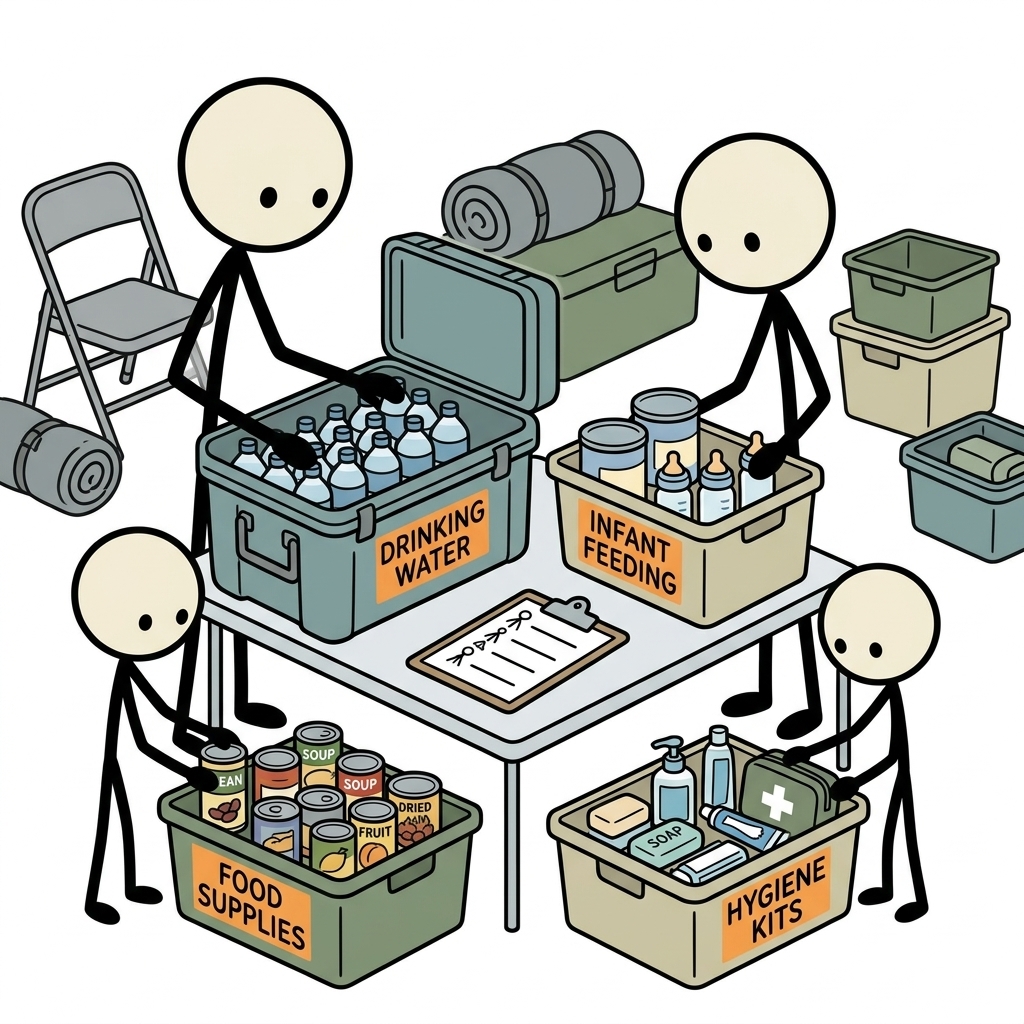
Relying on a boiling pot during a multi-day utility failure is exhausting and energy-intensive. A robust boil water advisory emergency preparedness strategy involves establishing a resilient, multi-tiered water security system before a crisis strikes.
1. Standard Storage Calculations
According to FEMA and the American Red Cross, you should store a minimum of one gallon of water per person, per day, for a minimum of three days. For robust home security, aim for a two-week supply. A family of four requires 56 gallons of stored water to comfortably weather a two-week localized water crisis. Store water in food-grade, BPA-free containers (such as 5-gallon jerrycans or 55-gallon drums) away from direct sunlight and chemical vapors (like gasoline or pesticides).
2. Active Filtration Technology
To reduce your reliance on boiling, invest in high-capacity gravity-fed water filters or pressurized survival filters. When purchasing a filter, look for systems certified to NSF/ANSI Standard 53 or 58 for cyst reduction, or those classified as "purifiers" rather than simple "filters."
True water purifiers must be capable of removing or inactivating bacteria, viruses, and protozoan cysts. Gravity-fed systems utilizing hollow-fiber membrane technology or compressed carbon block elements with a pore size of 0.1 microns or smaller (such as Sawyer, Katadyn, or Berkey systems) can mechanically remove bacteria and protozoa without chemical additives or electricity. Keep in mind that if viruses are suspected, you must pair mechanical filtration with a chemical disinfectant (like chlorine dioxide tablets) or a UV-C purifying light.
| Filter Type | Removes Bacteria? | Removes Protozoa? | Removes Viruses? | Best Use Case |
|---|---|---|---|---|
| Standard Carbon Pitcher | No | No | No | Aesthetic taste, chlorine reduction only. |
| 0.1 Micron Gravity Filter | Yes | Yes | No | Excellent for bacterial and parasitic advisories. |
| 0.02 Micron Purifier | Yes | Yes | Yes | Complete biological security without boiling. |
| UV-C Purifier Pen | Yes | Yes | Yes | Rapid sanitization of clear, pre-filtered water. |
3. Redundant Energy Options
If a boil water advisory is caused by a massive power outage (a common occurrence during hurricanes, winter storms, or wildfires), your electric stove will be useless. Ensure your emergency pantry includes a secondary heat source, such as a dual-fuel camping stove (running on propane or butane), a wood-burning rocket stove, or a well-stocked supply of canned heat (Sterno). Always operate combustion-based stoves outdoors or in highly ventilated areas to prevent carbon monoxide poisoning.
Conclusion
A public health notice regarding your tap water should never be a source of panic; rather, it is a call to execute a structured, scientific protocol. By stripping away the confusing bureaucratic language of utility alerts and understanding the biological realities of water purification, you can transition seamlessly from confusion to absolute control. Whether you are boiling water for your child's formula, sanitizing your kitchen dishes, or flushing your home's pipes after an incident, having a clear plan ensures your family remains safe, healthy, and resilient. True survival isn't about fearing the tap—it is about knowing exactly how to master your resources when the grid falters.
Frequently Asked Questions
What should a boil water advisory plan include?
Start with the immediate safety steps, the supplies and records your household needs, a communication plan, and a regular review schedule. Follow local official guidance during an active emergency.
How often should I review boil water advisory preparations?
Review them at least twice a year and whenever your household, medication, location, or local risks change. Replace expired supplies and practice key steps.
Where can I find reliable emergency guidance?
Use local emergency management alerts and established public-health or emergency-management agencies. A blog guide should support, not replace, official real-time instructions.