⚡ Key Facts
- According to the Centers for Disease Control and Prevention (CDC), over 38 million Americans live with diabetes, making medical continuity during disasters a critical national infrastructure priority.
- The Federal Drug Administration (FDA) states that while unopened insulin must be refrigerated (36°F to 46°F), opened or emergency insulin can safely be kept at room temperature (up to 86°F) for up to 28 days without losing potency.
- Freezing destroys insulin immediately. The Federal Emergency Management Agency (FEMA) warns against storing insulin directly on ice during a power outage.
- During a disaster, stress hormones like cortisol and adrenaline naturally spike, which can cause severe, unpredictable fluctuations in blood glucose levels for both Type 1 and Type 2 diabetics.
- The American Red Cross recommends that a diabetic emergency kit contain a minimum of a 14-day to 30-day backup of all medications, testing supplies, and specialized food items.
Imagine a severe hurricane, an earthquake, or a cyberattack knocking out the regional power grid for weeks. For most people, a prolonged blackout is a massive inconvenience involving spoiled food and dark evenings. For someone living with Type 1 or Type 2 diabetes, the clock immediately starts ticking on a medical emergency. Without refrigeration for insulin, access to pharmacies for life-saving medications, or a stable emergency food storage guide to manage blood sugar, a natural disaster can quickly escalate into a life-threatening crisis. However, living with a chronic condition does not make you a victim in waiting. It simply means your survival strategy requires a higher level of precision. Learn more in the family emergency communication plan. Learn more in the supply planning calculator. Learn more in the water calculator. Learn more in the scenario guides. Learn more in the Protocol Survival app. Learn more in the go-bag essentials checklist.
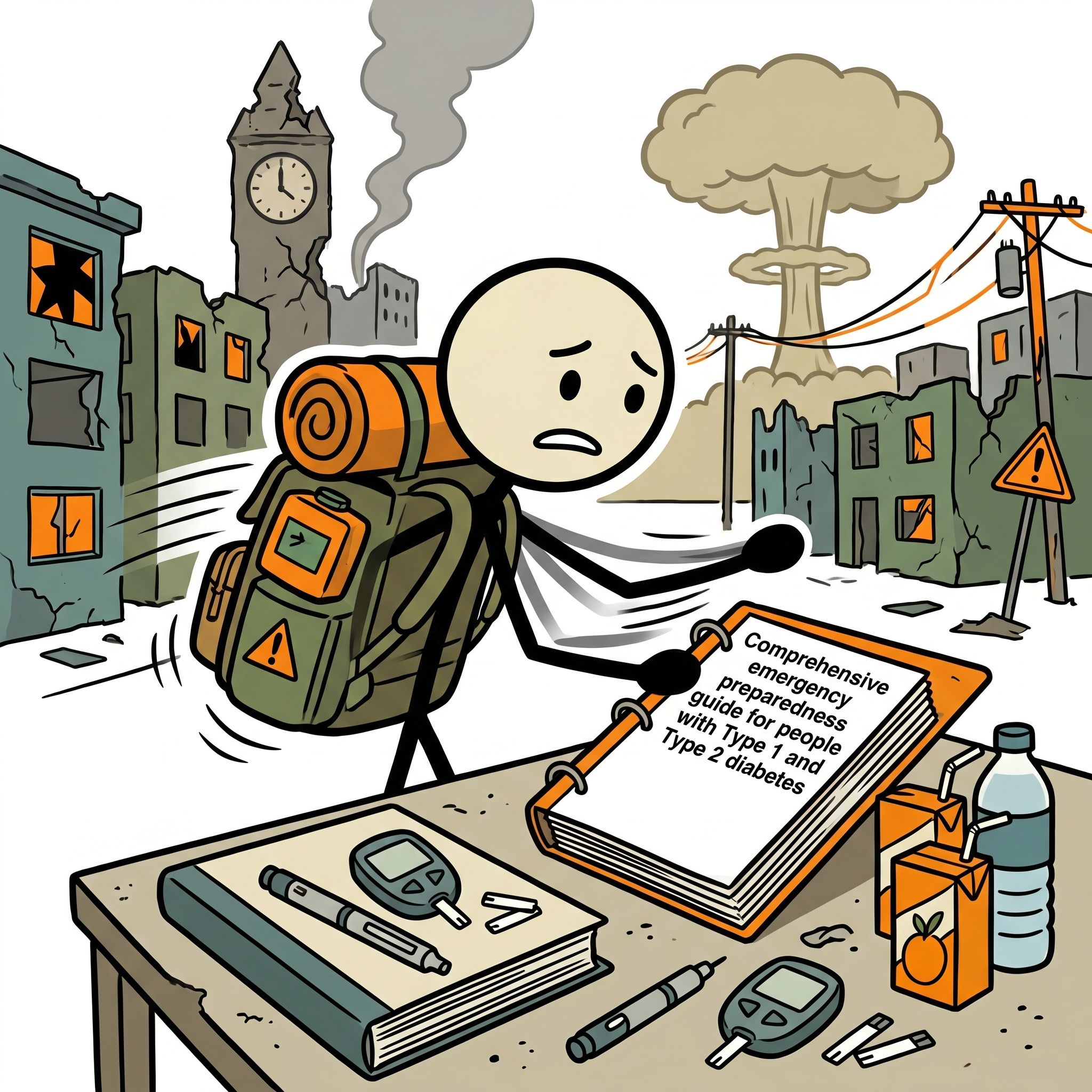
Comprehensive diabetes disaster planning is about taking control before the storm hits. It is the practice of building resilient, off-grid systems for your medical needs so that you can weather any crisis with confidence. When you understand the science of medication degradation, the mechanics of off-grid cooling, and the physiological impacts of disaster stress, you transform vulnerability into profound resilience. This guide provides a definitive, actionable roadmap for managing diabetes during a catastrophic event, ensuring you and your loved ones remain safe, stable, and self-reliant when modern infrastructure fails.
Building the Ultimate Diabetic Emergency Kit
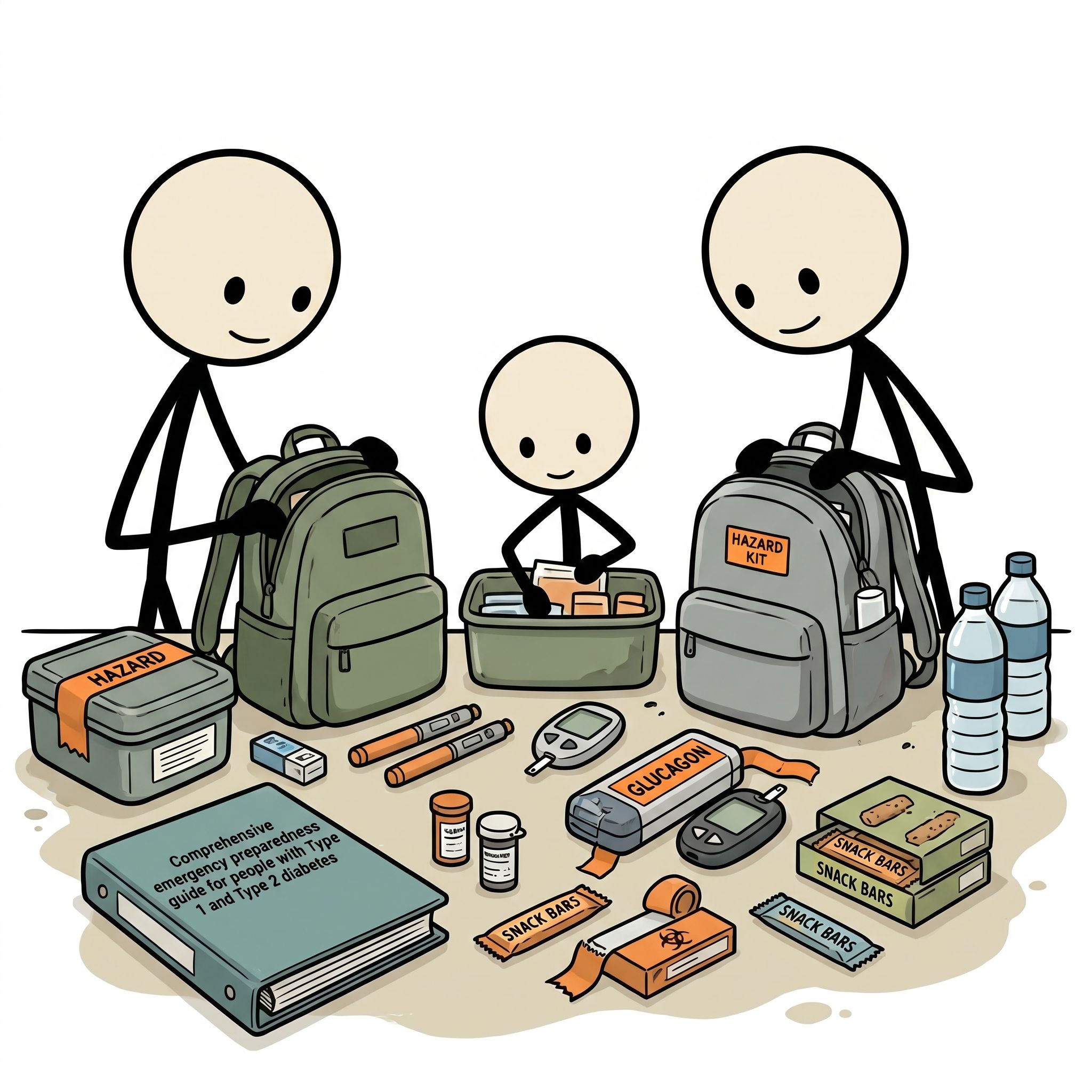
Your first line of defense in any crisis is a meticulously organized diabetic emergency kit. Unlike a standard household first aid kit, a diabetic go-bag must function as a standalone, portable pharmacy. FEMA and the American Red Cross strongly advise maintaining at least a two-week to one-month supply of all prescription medications and medical consumables. Because supply chains can freeze entirely during a regional disaster, relying on your local pharmacy to stay open is a dangerous gamble.
When assembling your kit, use a waterproof, insulated bag that is easy to carry during a rapid evacuation. Organization is critical; you should be able to find what you need in the dark. Rotate these supplies every three to six months to ensure nothing passes its expiration date. A comprehensive kit should include:
- Insulin and Oral Medications: A 30-day supply of long-acting and rapid-acting insulin, as well as oral medications like Metformin, Sulfonylureas, or SGLT2 inhibitors.
- Delivery Supplies: An ample backup of syringes, pen needles, or insulin pump infusion sets and reservoirs. Always pack traditional syringes even if you use a pump, as pumps can fail or run out of battery.
- Hypoglycemia Treatments: Fast-acting glucose tabs, gel tubes, or honey packets. These are superior to liquid juices because they are lighter, shelf-stable, and do not spoil in extreme heat.
- Glucagon: Emergency glucagon kits (injectable or nasal powder like Baqsimi) for severe hypoglycemic events.
- Sanitation: Alcohol swabs, antibacterial soap, and a small, heavy-duty plastic bottle to serve as an improvised sharps container.
- Documentation: Laminated copies of your prescriptions, a letter from your endocrinologist detailing your regimen, and a physical medical ID card.
For individuals with Type 1 diabetes, packing a ketone testing kit (either urine strips or a blood ketone meter) is non-negotiable. Disaster conditions drastically increase the risk of Diabetic Ketoacidosis (DKA), a life-threatening condition that requires immediate identification and management. Ensure your ketone strips are sealed against humidity, as moisture will render them inaccurate.
Surviving an Insulin Storage Power Outage
The single greatest anxiety for insulin-dependent diabetics during a disaster is temperature control. Modern insulin is highly robust, but it has strict thermal limits. The FDA mandates that unopened insulin be stored between 36°F and 46°F. However, in an emergency, insulin can be kept at room temperature (up to 86°F) for 28 days. The primary goal during an insulin storage power outage is not necessarily to keep the insulin cold, but to keep it from exceeding 86°F or dropping below 32°F.
The most common and fatal mistake made during a blackout is placing insulin directly on ice. Freezing alters the protein structure of insulin, destroying its blood-sugar-lowering properties instantly. If you must use ice in a cooler, wrap your insulin in several layers of bubble wrap or towels, and place it in a watertight container far away from the ice blocks. A thermometer inside the cooler is essential to monitor the microclimate.
Off-Grid Cooling Methods
When the ice melts and the power remains out, you must rely on off-grid cooling techniques to protect your supply. Evaporative cooling is one of the most reliable methods for maintaining safe insulin temperatures in hot climates. Evaporative cooling wallets, such as Frio bags, use water-activated gel crystals to keep insulin within safe room-temperature limits for days, requiring only a brief soak in water to reactivate.
If you do not have a commercial cooling wallet, you can build a "Zeer pot" (a pot-in-pot refrigerator). Place a small unglazed clay pot inside a larger unglazed clay pot, and fill the gap between them with sand. Keep the sand constantly wet and cover the top with a damp cloth. As the water evaporates from the sand through the outer clay wall, it pulls heat away from the inner pot, creating a cool microclimate capable of protecting insulin even in high summer heat.
In cooler climates or winter disasters, the threat flips from extreme heat to freezing temperatures. If you lose domestic heating, keep your current vial of insulin close to your body, such as in a shirt pocket, to let your body heat keep it in the safe temperature zone. Never leave insulin in an unheated car overnight during the winter.
Securing Your Blood Glucose Emergency Supply
Managing diabetes blindly during a disaster is practically impossible. Continuous Glucose Monitors (CGMs) have revolutionized diabetes care, but they introduce a severe vulnerability during emergencies: they rely on electricity, smartphone batteries, and Bluetooth connections. If your phone dies during a multi-week blackout, your CGM becomes useless. Therefore, a robust blood glucose emergency supply based on traditional fingerstick testing is mandatory.
Your disaster kit must include at least one traditional backup glucometer. Ensure you pack a minimum of 100 to 200 test strips, as disaster conditions will require you to test more frequently than normal due to erratic stress levels and dietary changes. Test strips are highly sensitive to humidity and extreme temperatures, which can cause false readings. Keep them in their original, tightly capped vials and store them inside a waterproof dry bag.
Powering Your Monitoring Equipment
A backup glucometer is only as good as its power source. Most traditional meters run on coin-cell batteries (like the CR2032). Pack at least four spare batteries in your kit. They have a shelf life of up to ten years and take up virtually no space, making them the perfect preparedness item.
If you are committed to keeping your CGM and insulin pump operational during a grid failure, you must invest in redundant power generation. High-capacity lithium-ion power banks are a good start, but for prolonged outages, a portable solar panel charger is required. Ensure your solar charger has a wattage output capable of efficiently charging your specific devices, and keep the appropriate USB charging cables permanently stored in your go-bag essentials guide.
Finally, pack an abundance of lancets. While many diabetics reuse lancets in daily life, the risk of infection skyrockets during a disaster when sanitation is compromised. A minor finger infection can easily turn into a systemic issue when hospitals are overwhelmed and antibiotics are scarce. Use a fresh lancet for every test during an emergency.
Dietary Management During Food Shortages
Disasters inherently disrupt the food supply chain. Grocery stores empty within hours of a crisis declaration, and without refrigeration, your standard diet of fresh vegetables, lean proteins, and dairy will spoil rapidly. For a diabetic, dietary management during food shortages requires careful planning to maintain glycemic control when relying entirely on shelf-stable, non-perishable foods.
The standard emergency diet often consists of high-carbohydrate, highly processed foods like crackers, instant noodles, and white rice. For someone managing diabetes, subsisting on these foods will cause dangerous blood sugar spikes. Your emergency pantry must be intentionally stocked with low-glycemic, shelf-stable alternatives that provide sustained energy without volatile glucose excursions.
Stocking the Diabetic Emergency Pantry
Focus your preparedness pantry on complex carbohydrates, healthy fats, and high-quality proteins. Canned proteins are invaluable; stock up on canned chicken, tuna, salmon, and sardines. These provide essential calories and satiety without impacting your blood sugar. Nuts, seeds, and unsweetened peanut butter are excellent sources of fat and protein that require no cooking or refrigeration.
For carbohydrates, prioritize canned beans, lentils, and chickpeas. They are rich in fiber, which slows down the absorption of glucose into the bloodstream. If you are storing grains, opt for quinoa, barley, or steel-cut oats over instant white rice or refined pasta. Keep in mind that cooking these grains requires a reliable off-grid Water Calculator and a camp stove, so factor those into your broader disaster preparations.
Managing Lows and Highs Without a Kitchen
Treating hypoglycemia (low blood sugar) is complicated when you cannot simply open the fridge for a glass of juice. Liquid juices are bulky to store and spoil quickly once opened. Instead, rely on precision treatments. Glucose tablets are the gold standard for your emergency kit because they provide an exact, measurable dose of fast-acting carbohydrates (usually 4g per tablet), allowing you to correct a low without over-treating and causing a subsequent high.
Hyperglycemia (high blood sugar) management during a food and water shortage presents a different challenge. The body's natural mechanism for flushing out excess glucose and ketones is through urination. Therefore, aggressive hydration is the primary non-pharmacological treatment for high blood sugar. Diabetics must store significantly more emergency water than the standard FEMA recommendation of one gallon per person per day. Aim for at least two gallons per day specifically to manage potential hyperglycemic episodes and flush ketones.
Navigating Emergency Response and Evacuation
When a disaster strikes, your body's fight-or-flight response is triggered. The adrenal glands flood your system with cortisol and epinephrine. These stress hormones cause the liver to release stored glucose into the bloodstream to provide energy for survival. For a diabetic, this physiological response can cause massive, unexplained blood sugar spikes, even if you haven't eaten a single carbohydrate.
Conversely, the physical demands of a disaster—clearing debris, carrying heavy Go-Bag Builders, or walking long distances to a shelter—act like intense cardiovascular exercise. This physical exertion increases insulin sensitivity and rapidly burns through circulating glucose, leading to sudden and severe hypoglycemia. Diabetes emergency preparedness requires hyper-vigilance. You must test your blood sugar every two to three hours during the acute phase of an emergency, as your standard insulin-to-carb ratios and basal rates may no longer apply.
Shelter Protocols and Medical Advocacy
If you are forced to evacuate to a FEMA or Red Cross shelter, you must become your own medical advocate. Upon arrival, immediately inform the shelter intake staff that you have insulin-dependent or medication-dependent diabetes. Shelters often have a dedicated medical tent or access to generators specifically reserved for refrigerating life-saving medications. Do not wait until your insulin is warm to ask for help.
Wear a highly visible medical alert bracelet or necklace at all times. If you are separated from your family or found unconscious due to extreme hypoglycemia, first responders need immediate visual confirmation of your condition to administer life-saving glucagon or intravenous dextrose. A medical ID speaks for you when you are unable to speak for yourself.
The Threat of Diabetic Ketoacidosis (DKA)
During a disaster, the combination of high stress, altered diets, dehydration, and potentially compromised insulin can trigger Diabetic Ketoacidosis (DKA) in Type 1 diabetics, and occasionally in Type 2s. DKA occurs when the body lacks sufficient insulin to use glucose for energy, forcing it to break down fat at a rapid rate. This process releases acidic ketones into the bloodstream, poisoning the body.
Recognize the early warning signs: unquenchable thirst, frequent urination, nausea, abdominal pain, and fruity-smelling breath. If you detect moderate to large ketones using your emergency testing strips, you must prioritize hydration and administer correction doses of insulin according to your doctor's "sick day rules." If vomiting prevents you from keeping water down, DKA can become fatal within hours. At this stage, you must seek emergency medical evacuation, regardless of the disaster conditions outside.
A Mindset of Empowerment and Resilience
Facing a natural disaster or a prolonged grid failure is a daunting prospect for anyone, but the stakes are undeniably higher when managing a chronic illness. However, diabetes emergency preparedness is not about living in fear of what might happen; it is about embracing the peace of mind that comes from being thoroughly equipped. By building a comprehensive medical kit, mastering off-grid insulin storage, securing reliable blood glucose monitoring, and planning a shelf-stable diet, you strip the disaster of its power over your health.
You are the architect of your own survival. Take the time today to inventory your supplies, rotate your medications, and formalize your emergency protocols. Disasters are chaotic and unpredictable, but your response to them does not have to be. With rigorous planning, unwavering vigilance, and the right supplies, you can ensure that your diabetes remains effectively managed, allowing you to focus on the ultimate goal: keeping yourself and your family safe until the storm passes.
Frequently Asked Questions
How long does insulin last without refrigeration?
Once opened (or at room temperature), most analog insulins last 28-30 days at temperatures under 77°F (25°C). Above 77°F, degradation accelerates. During heat emergencies, a $10 Frio cooling wallet maintains safe insulin temperatures through evaporation for 48+ hours without electricity.
What supplies should diabetics stockpile for emergencies?
90-day supply of insulin, 2x normal testing strip supply, extra lancets and glucose meter, 3-6 extra needles, glucagon emergency kit or Baqsimi (nasal glucagon), fast-acting glucose tablets, ketone test strips (Type 1), and a medical ID bracelet.
How does stress and irregular diet during emergencies affect blood sugar?
Stress hormones elevate blood glucose even without food intake. Irregular meal timing disrupts glycemic control. Physical activity during evacuations lowers blood sugar rapidly. Check blood glucose every 2-3 hours rather than your normal schedule during emergency situations.
Review our medical preparedness guide for chronic conditions. Learn heart disease emergency care protocols. Plan with family emergency planning resources. Use our supply calculator and explore our courses.
Sources & Further Reading
- American Diabetes Association Disaster Preparedness
- JDRF Type 1 Emergency Planning
- CDC Diabetes Emergency Prep
- FDA Insulin Storage Guidelines
Related resource: Medical Preparedness Guide.