⚡ Key Facts
- Supply Disruption: The American Association of Clinical Endocrinology (AACE) and the American Diabetes Association (ADA) recommend maintaining a minimum 14-day supply of all diabetes medications, testing supplies, and specialized foods during emergencies. For the practical checklist side, use the community emergency preparedness guide.
- Thermal Sensitivity: According to the FDA, insulin exposed to temperatures above 86°F (30°C) or below 36°F (2°C) loses its potency rapidly, making temperature control a critical survival priority during power grid failures. For the practical checklist side, use the neighborhood preparedness network.
- Stress-Induced Hyperglycemia: Clinical data from the CDC indicates that disaster-induced physical and psychological stress triggers cortisol and adrenaline surges, which can spike blood glucose levels even in the absence of food.
- Standard MRE Hazards: Standard military-grade or commercial emergency Meals Ready-to-Eat (MREs) often contain upwards of 300 grams of simple carbohydrates per day, presenting a severe risk of diabetic ketoacidosis (DKA) or hyperosmolar hyperglycemic state (HHS) for insulin-dependent individuals.
Compare Labels, Not Marketing Days
For a household managing blood sugar, serving counts are less useful than calories, carbohydrates, protein, sodium, and preparation needs. The ReadyWise vs Mountain House emergency-food comparison offers a practical starting point for reading those trade-offs.
When extreme weather events, infrastructure failures, or natural disasters strike, the immediate focus for most households is securing basic shelter, water, and heat. However, for the millions of individuals living with insulin-dependent Type 1 or insulin-requiring Type 2 diabetes, a disaster is not merely an inconvenience—it is an immediate, high-stakes medical challenge. According to historical data from the National Oceanic and Atmospheric Administration (NOAA) and the Federal Emergency Management Agency (FEMA), prolonged power outages, disrupted supply chains, and compromised clean water access are increasingly common. For a diabetic, surviving these events requires shifting away from generic survival advice and implementing a precise, clinically backed emergency preparedness strategy that addresses metabolic stability, medication preservation, and tech resilience.
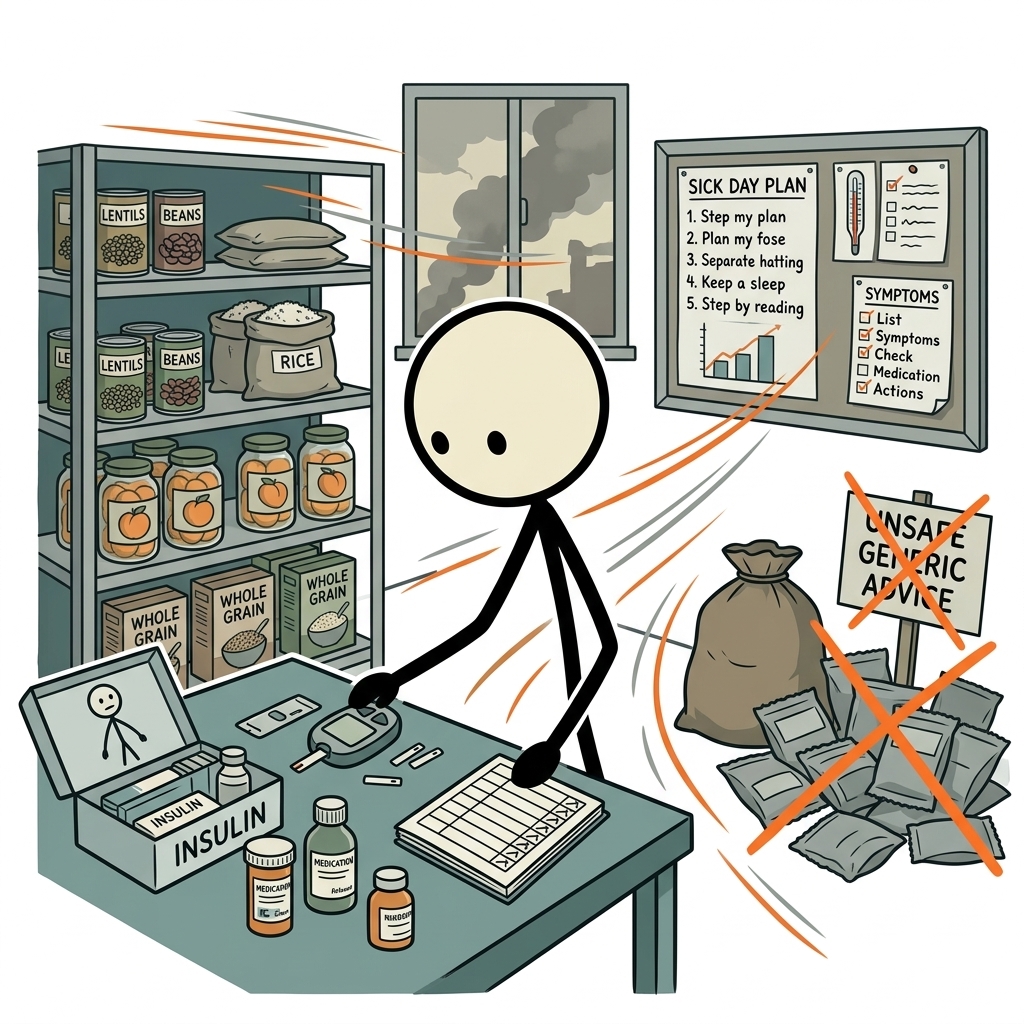
The Physiology of Disaster Stress and Metabolic Instability
Under normal circumstances, managing blood glucose is a delicate balancing act of carbohydrate intake, physical activity, and precise medication dosing. During a crisis, this balance is shattered by the body's physiological response to acute stress. When a disaster occurs—whether it is an earthquake, a hurricane, or a prolonged winter power outage—the sympathetic nervous system triggers the "fight-or-flight" response. This release of stress hormones, primarily cortisol, epinephrine (adrenaline), and glucagon, has a direct and profound impact on metabolism.
These counter-regulatory hormones act as direct antagonists to insulin. Cortisol decreases insulin sensitivity in skeletal muscle and adipose tissue, preventing glucose from entering cells. Simultaneously, epinephrine stimulates glycogenolysis (the breakdown of stored glycogen in the liver into glucose) and gluconeogenesis (the synthesis of new glucose from non-carbohydrate sources). The result is stress-induced hyperglycemia. Even if an individual is consuming zero carbohydrates due to disrupted food supplies, their blood glucose levels can climb to dangerous levels solely due to endogenous glucose production fueled by stress.
Conversely, physical exertion during a disaster—such as clearing debris, walking long distances, or carrying heavy supplies—can cause sudden, severe hypoglycemia (low blood sugar). This unpredictable fluctuation between extreme highs and lows makes standard emergency preparedness plans inadequate. Survival preparation must account for both extremes, ensuring that tools for rapid glucose elevation and precise insulin delivery are equally accessible and functional under primitive conditions.
Building the Ultimate Emergency Food Supply for Diabetics
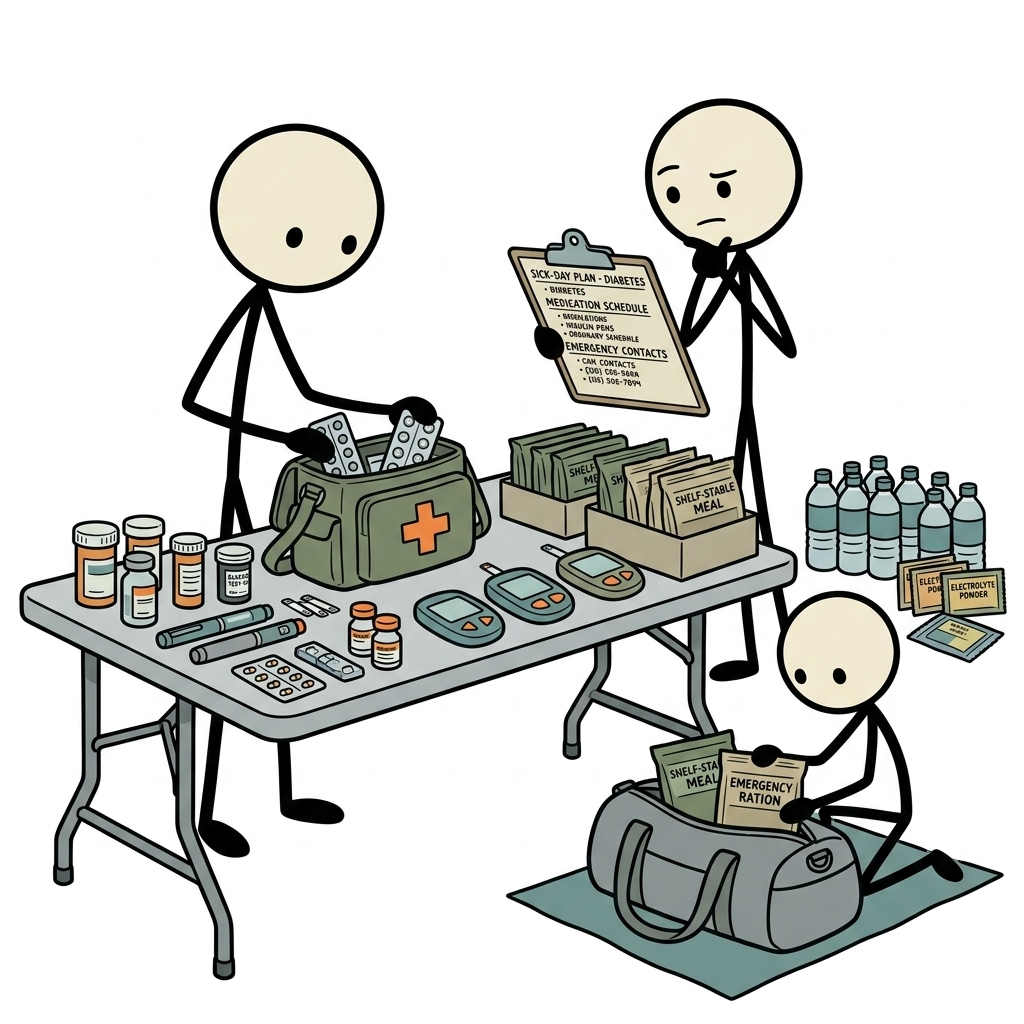
Generic emergency food kits are heavily reliant on refined carbohydrates: white rice, dehydrated pasta, sugary granola bars, and high-glycemic freeze-dried meals. These foods have a long shelf life and are cheap to produce, but they are highly dangerous for those managing diabetes. Consuming these items without precise insulin matching—especially when insulin potency may be compromised by temperature fluctuations—can rapidly lead to diabetic ketoacidosis (DKA) or hyperosmolar hyperglycemic state (HHS), both of which are life-threatening medical emergencies.
To build a resilient supply of emergency food for diabetics, the focus must shift to high-protein, high-fiber, and healthy-fat options that have a low glycemic impact. These foods stabilize blood sugar, provide sustained energy, and do not require cooking, which is crucial if municipal gas or electricity is cut off. When planning, aim for a macronutrient distribution that prioritizes complex carbohydrates with a high fiber-to-total-carb ratio, which slows glucose absorption in the gut.
Essential Macronutrient Sources for Your Emergency Pantry
- Canned Proteins: Wild-caught salmon, sardines, tuna, and chicken breast packed in water or olive oil. These provide high-quality protein and essential fatty acids without raising blood glucose. Opt for pull-tab cans to eliminate the need for a can opener.
- Nuts, Seeds, and Butters: Almonds, walnuts, chia seeds, flaxseeds, and unsweetened peanut or almond butter. These are incredibly calorie-dense, shelf-stable, and packed with healthy fats and fiber that help flatten postprandial glucose spikes.
- Low-Glycemic Vegetables: Canned green beans, spinach, asparagus, and mushrooms. While lower in calories, these provide essential micronutrients and dietary fiber to aid digestion and maintain metabolic health during periods of restricted fresh food access.
- Complex, High-Fiber Carbohydrates: Canned black beans, garbanzo beans, lentils, and steel-cut oats (which can be cold-soaked in water overnight). These legumes provide a slow, predictable release of glucose rather than a sharp spike.
The Emergency Food for Diabetics Checklist
Use this structured emergency food for diabetics checklist to audit your pantry. Ensure you have at least a 14-day supply of these items, calculated per diabetic individual in your household, as recommended by the American Red Cross and the CDC.
| Food Category | Specific Items | Serving Size / Carb Count | Shelf Life |
|---|---|---|---|
| Proteins | Canned wild salmon, sardines in olive oil, canned chicken breast | 3 oz (85g) / 0g Carbs | 3–5 Years |
| Healthy Fats | Raw almonds, walnuts, pumpkin seeds, extra virgin olive oil | 1 oz (28g) / ~5g Carbs (mostly fiber) | 1–2 Years (store cool) |
| Complex Carbs | Canned black beans, chickpeas, brown lentils | 1/2 cup (130g) / ~20g Net Carbs | 2–5 Years |
| Hypo Rescue | Glucose tablets, glucose gels, small apple juice boxes | 4 tablets / 15g Fast-Acting Carbs | 2–3 Years |
| Hydration | Electrolyte replacement tablets (sugar-free) | 1 tablet / 0g Carbs | 2 Years |
When executing your strategy for emergency food for diabetics emergency preparedness, remember to avoid high-fat foods for treating hypoglycemia. While chocolate or peanut butter may seem like quick sugar sources, their high fat content delays gastric emptying, which slows down the absorption of carbohydrates into the bloodstream. For rapid rescue from low blood sugar, stick strictly to pure glucose tablets, liquid glucose shots, or non-diet juice boxes that contain no fat or protein to slow down absorption.
The Cold Chain: Preserving Insulin and Injectables Without Power
Insulin is a delicate hormone protein. If it gets too hot, the proteins denature, rendering the medication useless. If it freezes, the insulin molecules clump together and lose their therapeutic effect completely. According to the FDA, unopened, refrigerated insulin is stable until its expiration date. Once opened and kept at room temperature (up to 86°F or 30°C), most insulins remain viable for up to 28 days. However, in a summer blackout, a wildfire evacuation, or a southern hurricane zone, temperatures inside homes and vehicles can easily exceed 100°F (38°C) within hours.
To protect your life-saving medication, you must establish a redundant "cold chain" protocol that does not rely on grid electricity. This involves a multi-tiered cooling strategy designed to handle different phases of an emergency.
1. Evaporative Cooling (Frio Wallets)
For immediate, highly portable cooling, evaporative cooling pouches (such as Frio wallets) are indispensable. These wallets contain crystals that, when submerged in cold water, gel and retain moisture for days. Through the natural process of evaporation, the pouch keeps insulin at a safe, cool temperature (usually between 68°F and 79°F) even when ambient temperatures reach up to 100°F. They require no electricity, no ice, and can be reactivated indefinitely using any available water source, including river water or rainwater.
2. Vacuum-Insulated Thermal Flasks
If you must evacuate through extreme heat, a heavy-duty, vacuum-insulated stainless steel flask (such as those made by Yeti, Stanley, or specialized medical brands like Nomad) acts as a highly effective thermal barrier. Place your insulin inside a waterproof plastic bag, wrap it in a thin cloth to prevent direct contact with cold surfaces, and insert it into the flask alongside a small, pre-chilled gel pack or cold water. This creates an insulated micro-climate that can resist external heat for up to 48 hours.
3. Phase Change Materials (PCMs)
Standard ice packs freeze at 32°F (0°C), which carries a high risk of accidentally freezing your insulin if they touch directly. Phase Change Materials (PCMs) are advanced cooling elements designed to freeze and melt at specific, controlled temperatures—usually around 64°F (18°C) or 41°F (5°C). Using PCM packs inside a small, high-performance cooler ensures that your insulin remains chilled without ever dropping to a temperature that would freeze and destroy the protein structure.
In winter emergencies, the threat is reversed. If you are facing a prolonged freeze without home heating, do not store insulin near exterior walls or in unheated garages. Keep your daily-use insulin in an inside pocket close to your body, utilizing your own body heat to prevent it from dropping below 36°F (2°C).
Glucose Monitoring and Power Resilience
Modern diabetes management relies heavily on technology: Continuous Glucose Monitors (CGMs) like the Dexcom or Freestyle Libre, smart insulin pumps, and Bluetooth-enabled smart pens. While these devices offer unprecedented glycemic control, they represent a single point of failure during a power grid collapse. If your smartphone dies or your CGM transmitter fails, you are suddenly blind to your metabolic state.
A resilient emergency preparedness plan demands absolute technological redundancy. This means maintaining a fully manual backup system that functions independently of the internet, cellular networks, and utility power.
The Manual Backup Protocol
For every high-tech device you use, you must have a low-tech, manual equivalent ready for immediate deployment. If you use a CGM, you must pack a standard fingerstick Blood Glucose Meter (BGM). If you use an insulin pump, you must have an emergency supply of rapid-acting and long-acting insulin vials or pens, along with a supply of syringes or pen needles, and a written copy of your current basal rates and insulin-to-carbohydrate ratios.
Calculating and Storing Manual Supplies
Do not estimate your supply needs. Use precise mathematical calculations based on a worst-case scenario. If you must test your blood sugar manually during a crisis, you should plan to test at least 6 times per day (upon waking, before each meal, before sleep, and mid-way through the night to catch nocturnal hypoglycemia). For a 14-day emergency period, this requires:
6 tests/day × 14 days = 84 test strips (minimum)
Always round up to the nearest full vial—in this case, stocking at least 100 test strips. Ensure you have an equal number of lancets and alcohol prep pads. Store test strips in their original, tightly sealed vials; exposure to humidity or air during a flood or storm will ruin the chemical enzymes on the strips, leading to highly inaccurate readings.
Powering Your Tech
To keep your essential medical devices running as long as possible, invest in a dedicated, medical-grade power backup system. A portable power station with a capacity of 200Wh to 500Wh (such as a Jackery Explorer or Anker PowerHouse) can recharge smartphones, CGM receivers, and insulin pumps dozens of times. Pair this power station with a foldable 100W solar panel to ensure you can generate off-grid electricity indefinitely. For standard BGMs, stock at least four replacement batteries (typically CR2032 lithium coin batteries or AAA batteries) in a waterproof container.
Sick-Day Contingencies and Preventing DKA in the Field
During a disaster, physical trauma, wound infections, waterborne illnesses, or extreme psychological stress can rapidly escalate into a medical crisis. For individuals with insulin-dependent diabetes, illness triggers a metabolic emergency. When the body fights an infection or undergoes trauma, it releases massive amounts of counter-regulatory hormones, driving blood glucose levels upward and increasing the risk of Diabetic Ketoacidosis (DKA) in Type 1 diabetics, or Hyperosmolar Hyperglycemic State (HHS) in Type 2 diabetics.
DKA is a life-threatening condition where the body, lacking sufficient insulin to utilize glucose for energy, begins breaking down fat at an uncontrolled rate. This process produces acidic ketones, which poison the blood. In a Survival Scenarios where emergency medical services (EMS) may be delayed or unavailable, preventing and managing DKA in the field is a critical survival skill.
The Diabetic Sick-Day Protocol
If you or a family member with diabetes becomes injured, ill, or experiences prolonged high blood sugar (above 250 mg/dL) during an emergency, immediately initiate the following clinical sick-day protocol:
- Test for Ketones: Do not rely on blood glucose numbers alone. You must monitor for ketones. Ensure your emergency kit contains urine ketone strips or, ideally, a dual blood glucose/blood ketone meter with corresponding ketone test strips. Test for ketones every 4 to 6 hours if blood glucose is consistently over 250 mg/dL, or if symptoms of nausea, vomiting, or abdominal pain develop.
- Aggressive Hydration: High blood sugar and elevated ketones cause osmotic diuresis—the kidneys attempt to flush out the excess glucose and ketones through urine, leading to rapid, severe dehydration. Dehydration concentrates the blood, driving glucose and ketone levels even higher. Drink at least 8 to 12 ounces of sugar-free fluid (water, broth, or electrolyte-replenished water) every hour. If blood sugar is dropping but ketones remain high, switch to carbohydrate-containing fluids to allow for continued insulin administration without causing hypoglycemia.
- Administer Supplemental Insulin: Never stop taking insulin when sick, even if you cannot keep food down. The body needs insulin to stop the production of ketones. Work with your endocrinologist ahead of time to establish a "sliding scale" or correction factor for sick days, which typically requires administering extra rapid-acting insulin every 3 to 4 hours based on blood glucose and ketone levels.
- Recognize Red-Flag Symptoms: If the patient exhibits deep, rapid breathing (Kussmaul breathing), a sweet or fruity odor on their breath, persistent vomiting (preventing oral hydration), confusion, or extreme lethargy, they are in advanced DKA. This is a critical medical emergency requiring immediate evacuation to the nearest functional medical facility or field clinic.
The Redundant Medical Go-Bag (The 14-Day Kit)
If a sudden evacuation order is issued, you will not have time to gather individual supplies from various drawers and cabinets. You must have a pre-assembled, rugged, waterproof Medical go-bag essentials guide ready to grab at a moment's notice. This bag should be distinct from your standard household disaster kit and kept in an easily accessible location.
Use a heavy-duty, waterproof dry bag (such as a roll-top marine bag) to protect your supplies from floodwaters, rain, and physical damage. Inside the bag, organize supplies into clear, heavy-duty Ziploc bags labeled by category to allow for rapid retrieval under high-stress conditions.
Required Go-Bag Contents
- Medications: A 14-day supply of all insulins, oral hypoglycemic agents, blood pressure medications, and other critical prescriptions. Include a hard copy of your current medication schedule, exact dosages, and prescribing physician's contact details.
- Delivery Devices: At least 30 syringes or pen needles (even if you use a pump, in case of pump failure), and 3 complete pump infusion set changes.
- Monitoring Supplies: A backup BGM, 100 test strips, 100 lancets, a lancing device, and 2 vials of ketone test strips (check expiration dates semi-annually).
- Hypo Treatment: At least 4 tubes of rapid-acting glucose gel or tablets, and an unexpired emergency glucagon rescue kit (such as Baqsimi nasal spray or Gvoke pre-filled syringe) for treating severe, unconscious hypoglycemia.
- Sanitation and Wound Care: 100 alcohol prep pads, a box of sterile gauze pads, medical tape, and an antibacterial ointment. Diabetics are highly susceptible to wound infections, which can quickly spiral into systemic infections under unsanitary disaster conditions.
- Biohazard Disposal: A puncture-resistant container (such as a small, thick plastic detergent bottle or a travel-sized sharps container) to safely dispose of used needles, lancets, and syringes.
- Documentation: Laminated copies of your health insurance cards, a list of emergency contacts, and a signed letter from your physician stating your medical diagnosis and the absolute necessity of carrying needles, syringes, and medical devices. This is vital if you must enter public shelters or transit hubs with strict security protocols.
Taking Control of Your Survival Strategy
Emergency preparedness is not about predicting the future; it is about eliminating variables and securing control over your immediate environment when external systems fail. For those living with insulin-dependent diabetes, this control is a direct lifeline. By rejecting generic survival advice and proactively building a specialized, low-glycemic emergency emergency food storage guide, establishing a reliable non-electric cold chain, securing technological redundancies, and mastering clinical sick-day protocols, you transform yourself from a vulnerable individual into a highly resilient survivor. Take the time today to audit your supplies, calculate your metabolic needs, and pack your medical go-bag. Your safety, stability, and survival depend entirely on the rigorous preparations you make before the crisis arrives.
Frequently Asked Questions
What should a emergency food for diabetics plan include?
Start with the immediate safety steps, the supplies and records your household needs, a communication plan, and a regular review schedule. Follow local official guidance during an active emergency.
How often should I review emergency food for diabetics preparations?
Review them at least twice a year and whenever your household, medication, location, or local risks change. Replace expired supplies and practice key steps.
Where can I find reliable emergency guidance?
Use local emergency management alerts and established public-health or emergency-management agencies. A blog guide should support, not replace, official real-time instructions.