⚡ Key Facts
- The Hypothalamic Set-Point: Fever is an active, controlled elevation of the body’s core temperature by the hypothalamus to fight infection, distinct from environmental hyperthermia (heatstroke). For the practical checklist side, use the community emergency preparedness guide.
- Liebermeister’s Rule: For every 1°C (1.8°F) rise in body temperature, a patient’s heart rate increases by approximately 8 to 10 beats per minute, providing a critical diagnostic metric when thermometers are unavailable. For the practical checklist side, use the neighborhood preparedness network.
- The Ice Water Danger: Applying ice baths or freezing water to a febrile patient triggers shivering (which increases core heat production) and peripheral vasoconstriction (which traps heat in the core). For the practical checklist side, use the emergency communication plan.
- Metabolic Cost: According to wilderness medicine data, a patient's metabolic rate increases by approximately 13% for every 1°C (1.8°F) increase in body temperature, drastically accelerating dehydration and caloric depletion. For the practical checklist side, use the family emergency planning guide.
- The WHO Standard: The World Health Organization (WHO) Oral Rehydration Salts (ORS) formulation remains the gold standard for preventing fatal dehydration during febrile illnesses in off-grid environments.
Imagine a grid-down scenario, a prolonged wilderness expedition, or a severe natural disaster where emergency services are completely overwhelmed. A member of your group begins to shiver, their skin flushes, and within hours, they are burning hot to the touch, lethargic, and drifting into mild delirium. With no access to a pharmacy, no acetaminophen, and no ibuprofen in your medical kit, a high fever can quickly transform from a standard illness into a life-threatening crisis. In these high-stakes situations, understanding how to manage the human body’s thermal regulation system using physical techniques, natural resources, and precise hydration protocols is a core pillar of survival medicine.
Understanding the Physiology of Fever in Survival Medicine
To safely manage a fever when modern pharmaceuticals are out of reach, you must first understand what a fever is—and what it is not. In the field of survival medicine fever management is often misunderstood. A fever (pyrexia) is not an illness in itself; it is an evolutionary defense mechanism. When the immune system detects pathogens such as bacteria or viruses, it releases signaling molecules called pyrogens. These pyrogens instruct the hypothalamus—the body's internal thermostat—to raise its thermal set-point to create an inhospitable environment for the invading pathogens.
This is fundamentally different from hyperthermia (such as heatstroke), where the body’s thermoregulation system is overwhelmed by external heat, and the hypothalamic set-point remains normal. In a true fever, the body is actively trying to stay warm at its new, elevated set-point. If you attempt to force the temperature down too rapidly or using the wrong methods, the body will fight back by shivering to generate more heat, potentially exhausting the patient’s metabolic reserves.
According to the Centers for Disease Control and Prevention (CDC) and the Wilderness Medical Society (WMS), mild to moderate fevers (under 38.9°C or 102°F) are generally beneficial for fighting infections. However, when a fever climbs toward 40°C (104°F) or higher, or when it occurs in vulnerable populations like infants, the elderly, or those already weakened by trauma, the physiological strain can lead to severe dehydration, cellular damage, and cognitive decline. Your goal in an emergency is not necessarily to force the temperature back to a perfect 37°C (98.6°F), but rather to safely modulate the fever, keeping it within a manageable range while preventing systemic complications.
Triage and Assessment Without Medical Gear
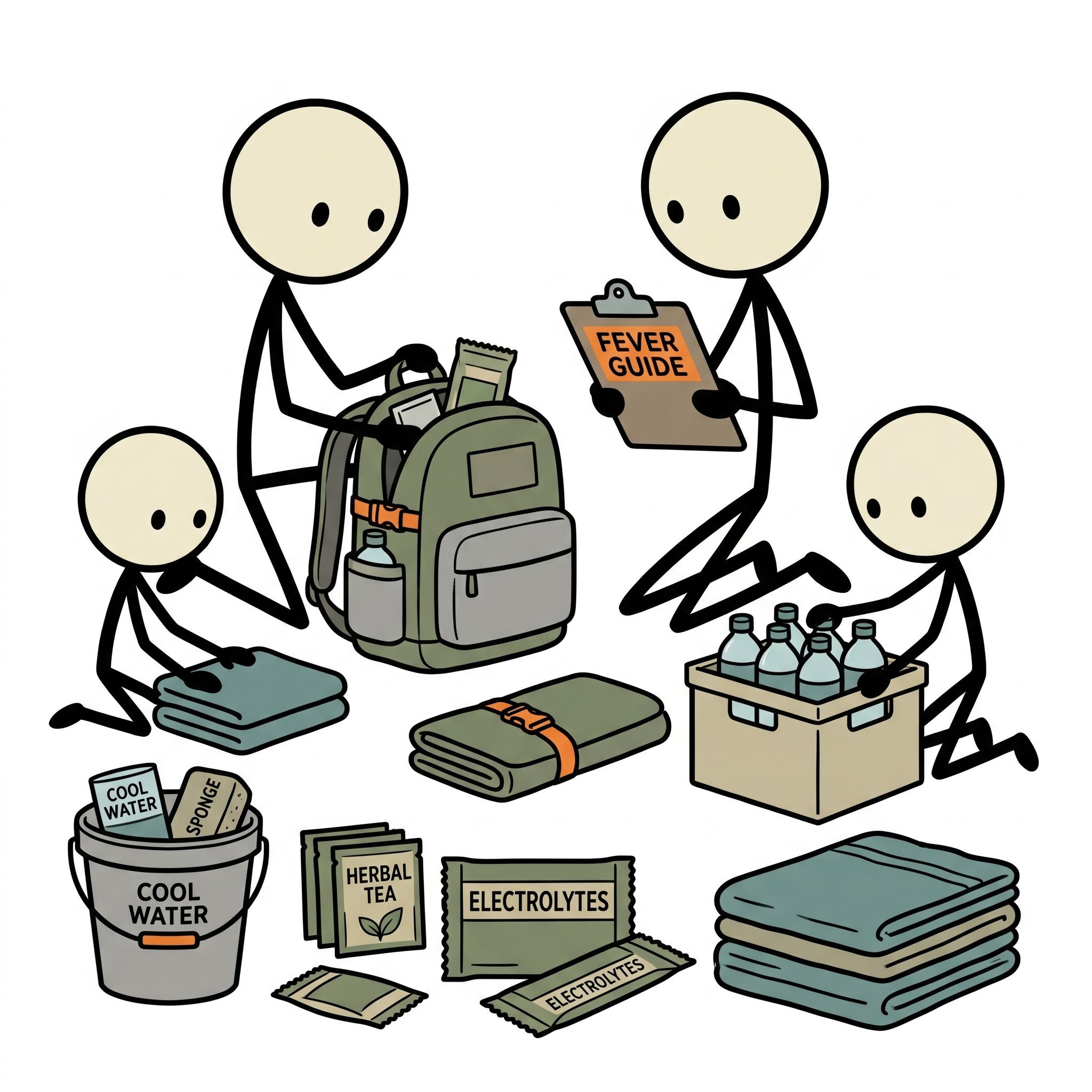
In a prolonged Survival Scenarios, you may not have access to a digital or mercury thermometer. To deliver effective emergency fever treatment, you must learn to read the body’s physiological signs to estimate temperature severity and track the progression of the illness.
Utilizing Liebermeister’s Rule
One of the most reliable clinical tools for off-grid diagnostic assessment is Liebermeister’s Rule. Historically utilized by physicians before the widespread availability of clinical thermometers, this rule states that for every degree Celsius rise in body temperature above normal (37°C), a patient’s heart rate increases by roughly 8 to 10 beats per minute (bpm).
To apply this in the field:
- Establish the patient’s resting heart rate. If their baseline is unknown, assume a standard adult resting average of 70–80 bpm.
- Measure the radial pulse for a full 60 seconds.
- If the patient's pulse is 100 bpm and they are resting quietly without physical exertion, you can estimate their temperature is approximately 2°C (3.6°F) above normal, putting them in the range of 39°C (102.2°F).
- Note: This rule applies primarily to adults and must be adjusted if the patient is severely dehydrated, as dehydration independently elevates the heart rate.
Evaluating Physical Signs and Vital Signs
In addition to monitoring the pulse, a survival medic must perform a systematic physical evaluation of the patient's circulatory and neurological status:
- Skin Turgor and Color: Pinch the skin on the back of the hand or abdomen. If it remains tented or returns to shape slowly, severe dehydration is present. Flushed, hot, dry skin indicates the fever is at its peak (the "fastigium" phase), whereas pale skin, goosebumps, and shivering indicate the temperature is actively rising.
- Capillary Refill Time (CRT): Press firmly on the patient's nail bed until it blanches white, then release. In a healthy individual, color should return in under two seconds. A prolonged CRT indicates poor peripheral perfusion, often exacerbated by high fever and dehydration.
- Mental Status Assessment: Assess the patient using the AVPU scale (Alert, Verbal, Pain, Unresponsive). Mild confusion or lethargy is common with high fevers, but true delirium, hallucinations, or an inability to follow simple commands indicates a critical neurological state requiring immediate physical intervention.
Identifying "Red Flag" Symptoms
While most fevers resolve naturally, certain clinical presentations require aggressive intervention. If you observe any of the following signs, the patient is in critical danger:
- Nuchal Rigidity (Stiff Neck): If the patient cannot touch their chin to their chest, this is a classic sign of meningitis, a life-threatening infection of the central nervous system.
- Petechial Rash: Small, pinpoint red or purple spots on the skin that do not fade when pressed firmly (non-blanching) indicate systemic infection (sepsis) or meningococcemia.
- Respiratory Distress: A respiratory rate exceeding 24 breaths per minute in an adult, or the use of accessory muscles to breathe, indicates systemic decompensation.
Physical Cooling Protocols: The Physics of Heat Transfer
When you need to reduce fever without medicine, you must rely on the fundamental laws of thermodynamics. The human body dissipates heat through four primary mechanisms: radiation, conduction, convection, and evaporation. In an emergency setting, you can manipulate these mechanisms to safely lower a patient's temperature without triggering the body's shivering defense.
The Danger of Ice and Cold Water
The most common mistake made in emergency first aid is placing a febrile patient into an ice bath or applying freezing water directly to their skin. The American Red Cross and the Wilderness Medical Society explicitly warn against this.
When cold water touches the skin, it stimulates peripheral cold receptors, causing rapid vasoconstriction (the narrowing of blood vessels near the skin surface). This acts as an insulating layer, trapping heat deep within the body’s core. Furthermore, the extreme cold triggers shivering, a muscular contraction designed specifically to generate metabolic heat, driving the patient's core temperature even higher.
The Tepid Sponging Protocol
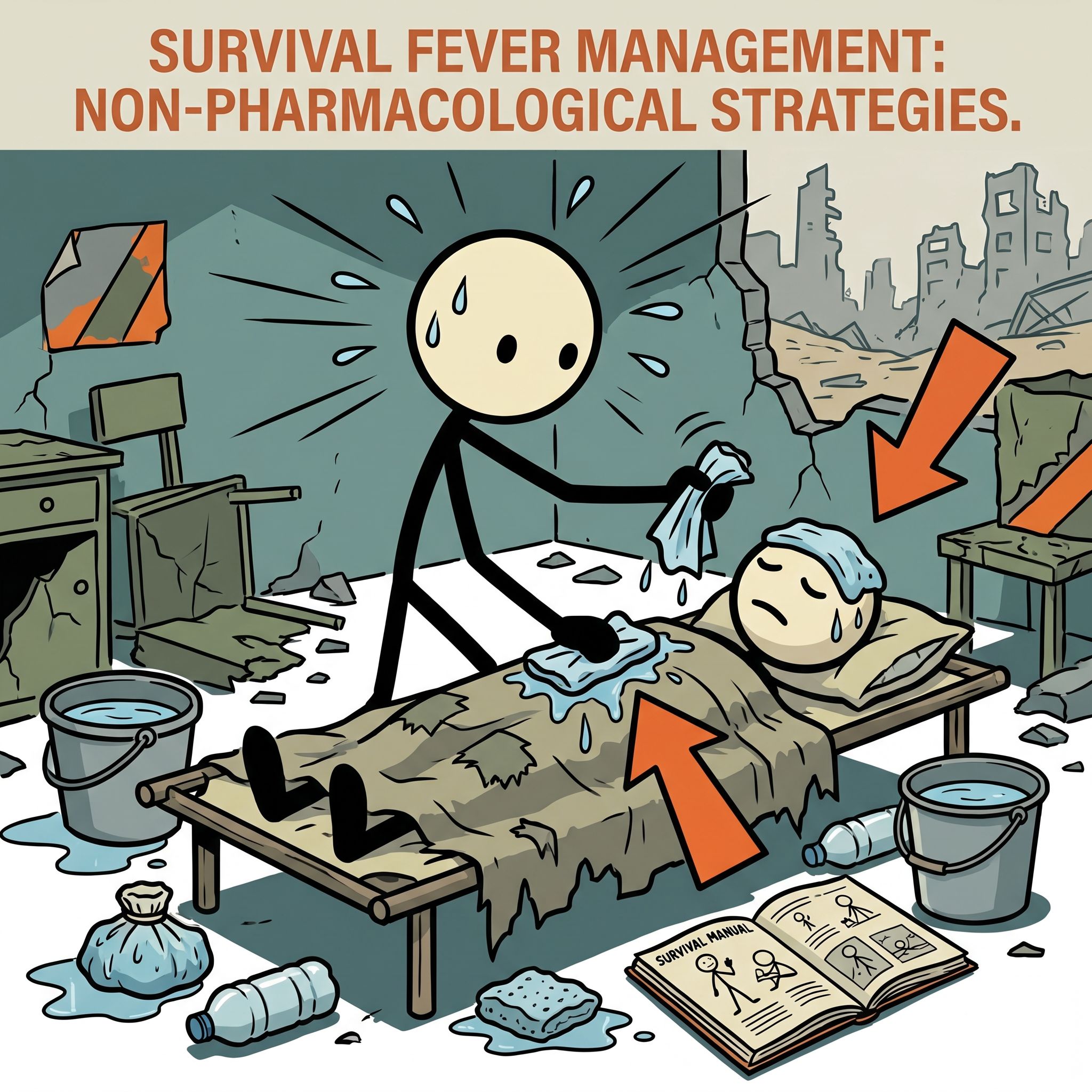
The safest, most effective physical cooling method is tepid sponging. This technique utilizes evaporative and convective cooling to gently draw heat away from the body without triggering vasoconstriction or shivering.
Follow these steps precisely to perform a tepid sponge bath:
- Prepare the Environment: Ensure the room or shelter is warm and free from drafts, but has adequate air circulation. Strip the patient down to a single layer of light clothing or a light sheet.
- Water Temperature: Use water that is lukewarm or tepid to the touch—approximately 29°C to 32°C (85°F to 90°F). If you do not have a thermometer, test the water on your inner wrist; it should feel slightly cool but comfortable.
- Target High-Vascular Zones: Saturate clean cloths or bandanas in the tepid water, wring them out slightly so they are damp but not dripping, and place them directly over the major superficial arteries. These key anatomical zones include:
- The sides of the neck (carotid arteries)
- The armpits (axillary arteries)
- The groin/femoral triangles (femoral arteries)
- Apply a Continuous Film: Gently sponge the patient's limbs and trunk with a thin film of tepid water. Do not rub vigorously, as friction generates heat. Allow the air to dry the water on the skin; it is the phase transition from liquid water to vapor (evaporation) that carries the heat away.
- Monitor for Shivering: If the patient begins to shiver or goosebumps appear, immediately stop the cooling process, cover them with a dry, light sheet, and wait for the shivering to subside before resuming with slightly warmer water.
Convective Cooling with Airflow
To accelerate the evaporative process, establish a gentle breeze across the patient's damp skin. If electricity is down, use a manual fan, a piece of cardboard, or position the patient in a sheltered area with natural cross-ventilation. Ensure the airflow is consistent but gentle; a violent draft can cause rapid cooling of the skin surface, triggering the shivering reflex.
Advanced Hydration and Electrolyte Replacement
A high fever dramatically increases the body's hydration demands. As the respiratory rate rises (tachypnea) and the body sweats to cool itself, insensible water loss skyrockets. According to wilderness medicine data, a febrile patient can lose several liters of fluid per day through respiration and perspiration alone. Without aggressive fluid replacement, dehydration will set in, impairing the kidneys, thickening the blood, and reducing the body's ability to sweat—which ultimately prevents the body from naturally cooling itself.
The WHO Oral Rehydration Salts (ORS) Formula
Providing plain water to a severely dehydrated, febrile patient can lead to hyponatremia (diluted blood sodium levels), which can cause cerebral edema, seizures, and death. To safely rehydrate, you must administer a precise balance of water, sodium, and glucose. Glucose is critical because it utilizes the sodium-glucose cotransport system in the small intestine, rapidly pulling water and essential electrolytes through the intestinal wall and into the bloodstream.
When commercial ORS packets are unavailable, you can manufacture the standard World Health Organization formulation from scratch using basic field supplies. Memorize and record this exact ratio:
- 1 Liter (approx. 34 ounces) of clean, purified water
- 6 level teaspoons of granulated white sugar (sucrose)
- 0.5 (half) level teaspoon of table salt (sodium chloride)
Mix the ingredients thoroughly until completely dissolved. If available, you can add half a cup of orange juice or a mashed banana to provide potassium, another vital electrolyte lost during prolonged febrile illness.
Administration Protocols for the Febrile Patient
Administering fluids to a patient who is weak, semi-conscious, or nauseated requires caution. Gulping large quantities of fluid can trigger the vomiting reflex, worsening dehydration. Follow these guidelines for administration:
- Small, Frequent Doses: Administer the ORS solution in small sips using a spoon, syringe, or hydration pack valve. Aim for 1 to 2 tablespoons (15 to 30 ml) every 10 to 15 minutes.
- Hydration Targets: For an adult, aim to administer at least 3 to 4 liters of fluid within a 24-hour period, adjusted based on fluid loss from sweating or diarrhea. For pediatric patients, consult the Red Cross rehydration tables, generally aiming for 50 to 100 ml of ORS per kilogram of body weight over a 4-hour period.
- Monitoring Output: Track the frequency and color of the patient's urine. Clear to light-straw-colored urine indicates adequate hydration. Dark amber, concentrated urine, or an absence of urination for more than 6 hours, indicates severe dehydration requiring immediate, aggressive fluid therapy.
Survival Botany: Natural Antipyretics
If you must manage a fever over a prolonged period without access to modern pharmaceuticals, you can turn to the natural pharmacy of the wilderness. Many common plants contain active organic compounds that act as natural antipyretics (fever reducers) and analgesics. Understanding how to identify, harvest, and prepare these botanical remedies is a cornerstone of advanced survival medicine fever management.
Salicin-Bearing Plants (The Natural Aspirin)
Salicin is a naturally occurring compound found in the bark and leaves of several tree species. When ingested, salicin is metabolized by the liver into salicylic acid, the direct chemical precursor to modern acetylsalicylic acid (aspirin). Salicylic acid works by inhibiting cyclooxygenase (COX) enzymes, reducing the production of prostaglandins that signal the hypothalamus to raise the body's temperature set-point.
To utilize this resource for natural fever reduction, look for the following species:
- White Willow (Salix alba) and other Willow species: Found near water sources, riverbanks, and marshy areas. The flexible, yellow-to-brown twigs and narrow, lance-shaped leaves are key identifiers.
- Quaking Aspen (Populus tremuloides): Recognizable by its smooth, pale bark and rounded, finely-toothed leaves that flutter in the slightest breeze.
- Poplar species (Populus spp.): Cottonwoods and balsam poplars also contain significant concentrations of salicin in their inner bark and buds.
How to Harvest and Prepare a Willow Bark Decoction
Because the active salicin is concentrated in the inner bark (the cambium layer), you must prepare a decoction rather than a simple tea. A decoction uses sustained boiling to extract compounds from tough, woody plant material.
- Harvesting: Locate a healthy willow tree. Identify young, pencil-thick branches. Using a sharp knife, scrape away the outer grey bark to reveal the bright green inner bark. Shave this green inner bark off the branch, taking care not to girdle or kill the tree.
- Drying and Measuring: Use approximately 1 to 2 tablespoons of freshly shaved inner bark per cup of water. If the bark is dried and powdered, use 1 teaspoon.
- The Decoction Process: Place the bark into a non-reactive metal or clay pot with clean water. Bring the water to a boil, then cover and simmer gently for 15 to 20 minutes.
- Straining and Dosage: Strain the liquid through a clean cloth to remove all woody fibers. Allow the liquid to cool to a warm, drinkable temperature. Administer 1 cup of this decoction every 4 to 6 hours as needed.
- Critical Pediatric Warning: Never administer willow bark decoctions to children or teenagers. Just like aspirin, natural salicin carries a risk of triggering Reye’s Syndrome, a rare but life-threatening condition that causes swelling in the liver and brain. For pediatric patients, stick strictly to physical cooling and hydration protocols.
Diaphoretic Herbs (Promoting the Sweat Response)
In addition to salicin-bearing plants, certain herbs act as diaphoretics. Diaphoretics are substances that promote sweating, which aids the body's natural evaporative cooling process. When learning how to break a fever naturally, these herbs can be used alongside physical cooling techniques.
- Yarrow (Achillea millefolium): A common wildflower found in meadows, fields, and roadsides. It features feathery, fern-like leaves and flat-topped clusters of small white flowers. Yarrow is a potent peripheral vasodilator and diaphoretic. Prepare an infusion by steeping 1 to 2 teaspoons of dried yarrow leaves and flowers in hot water for 10 minutes. Administer warm to encourage sweating.
- Elderflower (Sambucus nigra): The cream-colored flowers of the elderberry bush are highly effective at promoting sweating and reducing fever. Prepare as a hot infusion and drink slowly.
Environmental and Metabolic Management
Managing a fever off-grid is not just about active cooling and hydration; it also requires careful manipulation of the patient's immediate environment and metabolic load. Every degree of temperature elevation increases the body’s caloric and oxygen demands, meaning physical exertion or environmental stress can quickly lead to systemic exhaustion.
Minimizing Metabolic Heat Production
To prevent the patient's core temperature from rising further, you must reduce their internal heat production. This is achieved through absolute physical rest:
- Keep the patient completely immobile. Physical activity generates massive amounts of muscular heat, which will compound the fever.
- Provide a calm, quiet environment. Stress and anxiety trigger the sympathetic nervous system, elevating the heart rate, blood pressure, and metabolic rate.
Shelter and Clothing Adjustments
In a survival situation, shelter management can make the difference between recovery and severe heat illness. Adjust the patient's microclimate using these guidelines:
- Avoid the "Sweat It Out" Myth: A dangerous piece of folklore suggests wrapping a febrile patient in heavy wool blankets to force them to sweat. If the patient is in the chill phase (shivering as the fever rises), light blankets are appropriate to prevent discomfort. However, once the fever has peaked and the patient feels hot, heavy blankets will trap heat, driving the core temperature to dangerous levels. Dress the patient in a single layer of loose, highly breathable clothing (such as cotton or merino wool).
- Shade and Radiation Management: If outdoors or in a temporary shelter, ensure the patient is kept out of direct sunlight. Solar radiation can rapidly warm the skin, adding to the thermal load. If in a hot climate, construct a reflective space blanket tarp shelter to bounce solar heat away from the patient's sleeping area.
Summary of Off-Grid Fever Management Protocol
When modern medicine is unavailable, systematic action is your most powerful tool. The following table provides a quick-reference protocol based on estimated fever severity:
| Estimated Temp Range | Key Physiological Signs | Primary Action Plan |
|---|---|---|
| Mild: Under 38.9°C (102°F) | Warm skin, mild sweating, heart rate slightly elevated (80-90 bpm), patient is alert. | Monitor heart rate, provide standard hydration (water/tea), encourage rest, do not actively cool. Allow the immune system to work. |
| Moderate: 38.9°C - 39.9°C (102°F - 103.8°F) | Flushed skin, moderate lethargy, heart rate elevated (95-110 bpm), mild headache. | Administer WHO ORS solution, apply tepid damp cloths to forehead and neck, administer Willow Bark decoction (adults only). |
| Severe/Critical: Over 40°C (104°F) | Dry, hot skin, confusion/delirium, rapid shallow breathing, heart rate over 115 bpm. | Aggressive tepid sponging on neck, armpits, and groin. Continuous fanning. Slow, spoon-fed ORS. Monitor airway and neurological status. |
Empowering Your Survival Medicine Toolkit
When the modern medical safety net is stripped away, a high fever can feel like an insurmountable threat. Yet, by understanding the physiological principles of thermoregulation, mastering the physics of evaporative cooling, and utilizing the botanical and hydration resources provided by nature, you can safely navigate these crises. True emergency preparedness is not just about the gear in your pack; it is about the clinical knowledge and resourcefulness you carry in your mind
Frequently Asked Questions
How can I safely lower a fever without medication?
You can lower a fever by applying lukewarm damp cloths to the forehead, armpits, and groin, staying in a cool room, wearing lightweight clothing, and drinking plenty of fluids to support natural evaporative cooling.
Why should I avoid using cold water or ice baths to treat a fever?
Cold water and ice cause the body to shiver, which is a natural mechanism that actually raises your internal core temperature. Cold water also constricts blood vessels, trapping heat inside the body.
What is the best way to prevent dehydration during a fever?
Drink small, frequent sips of water, oral rehydration salts (ORS), diluted broths, or herbal teas. Avoid sugary or caffeinated drinks, which can worsen fluid loss.
How do wet sock treatments work for fever management?
An alternative care method involves placing cold, wet cotton socks on the feet, covered by dry wool socks, before bed. This stimulates circulation and immune response, helping the body naturally regulate temperature.
When does a fever become an emergency requiring immediate medical attention?
Seek immediate emergency medical care if a fever exceeds 103°F (39.4°C) in adults, lasts more than three days, or is accompanied by a stiff neck, difficulty breathing, confusion, or seizures.