⚡ Key Facts
- Escalating Disasters: According to the National Oceanic and Atmospheric Administration (NOAA), the United States experienced an unprecedented 28 billion-dollar weather and climate disasters in 2023 alone, displacing hundreds of thousands of residents.
- Shelter Strain: Federal Emergency Management Agency (FEMA) historic data indicates that public emergency shelters typically reach maximum capacity within 48 hours of a major disaster declaration, highlighting the necessity of self-contained mobile shelters.
- Water Self-Sufficiency: The Centers for Disease Control and Prevention (CDC) recommends a bare minimum of 1 gallon of water per person per day for drinking and sanitation. A standard 50-gallon RV fresh water tank can sustain a family of four for over 12 days without external replenishment.
- Power Resilience: Transitioning an RV to a lithium-iron-phosphate (LiFePO4) battery bank paired with solar charging increases off-grid energy efficiency by up to 300% compared to traditional lead-acid systems, allowing for indefinite low-draw operations.
- Weight Safety Limits: The Federal Highway Administration (FHWA) warns that over 20% of RVs on the road exceed their Gross Vehicle Weight Rating (GVWR), a critical vulnerability that can lead to catastrophic tire or suspension failure during emergency evacuations.
When disaster strikes—be it a rapidly spreading wildfire, an encroaching Category 5 hurricane, or a localized grid collapse—the window for safe evacuation is measured in minutes, not hours. For millions of families, the standard family emergency plan consists of frantic packing, bumper-to-bumper highway gridlock, and the highly uncertain hope of finding an available hotel room or space in a crowded public shelter. However, those who have strategically optimized a recreational vehicle or travel trailer possess a distinct tactical advantage. An RV bug out vehicle or a dedicated travel trailer survival platform transforms emergency evacuation from a desperate flight into a controlled, strategic relocation. By transforming a recreational vehicle into a self-sustaining mobile survival shelter, you secure your family’s shelter, power, water, and security, ensuring resilience no matter where the road leads.
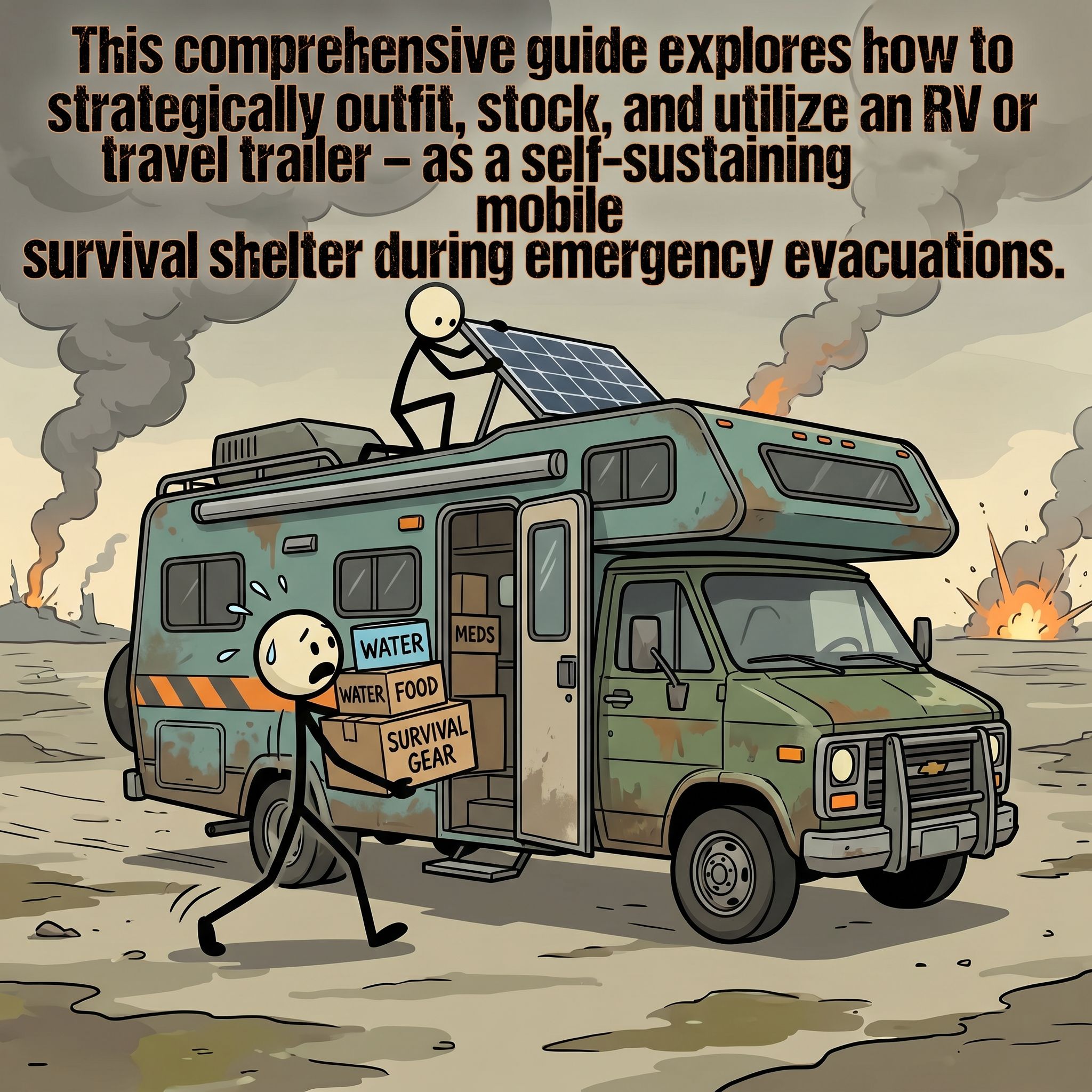
Selecting and Classifying Your Mobile Bug Out Shelter
The foundation of your mobile survival strategy rests on selecting the correct platform. Not all recreational vehicles are created equal; each class presents distinct trade-offs in mobility, storage, off-road capability, and structural durability. When evaluating a mobile bug out shelter, you must balance the need for living space against the absolute necessity of navigating debris-cluttered roads, steep terrain, and fuel-scarce environments.
Motorized RVs (Class A, B, and C)
Motorized RVs offer the primary advantage of rapid deployment. In a sudden evacuation scenario, you can transition from your living room to the driver's seat without exposing yourself to the elements. Class A motorhomes offer massive storage capacities and large water tanks, but their size makes them highly vulnerable to highway gridlock, low-clearance obstacles, and extreme fuel consumption. Class B motorhomes (camper vans) offer unparalleled maneuverability and fuel efficiency, but their limited holding tanks and interior space restrict long-term survival capabilities. Class C motorhomes present a middle ground, offering decent storage and living space, though they often suffer from limited ground clearance and fragile fiberglass construction.
Towable RVs (Travel Trailers and Fifth Wheels)
A travel trailer survival strategy relies on separating the living quarters from the propulsion system. This configuration offers a highly resilient redundancy: if your tow vehicle suffers a mechanical failure, it can be uncoupled, repaired, or even replaced, while your shelter remains fully functional. Furthermore, once you reach a safe location, you can unhitch the trailer and use your four-wheel-drive truck for scouting, resource foraging, or medical transport. Travel trailers generally have lower maintenance costs and fewer mechanical failure points than motorized RVs, though they require advanced driving skills to maneuver safely through chaotic evacuation routes.
Off-Road and Expedition Trailers
For those prioritizing extreme terrain navigation, ruggedized off-road trailers featuring heavy-duty independent suspensions, articulating hitches, and high ground clearance are the gold standard. While these units lack the expansive living space of traditional travel trailers, their ability to traverse washed-out roads, shallow river crossings, and rugged public lands makes them superior for escaping high-density population centers during severe systemic collapses.
Power Autonomy: Designing an Off-Grid Lifeline
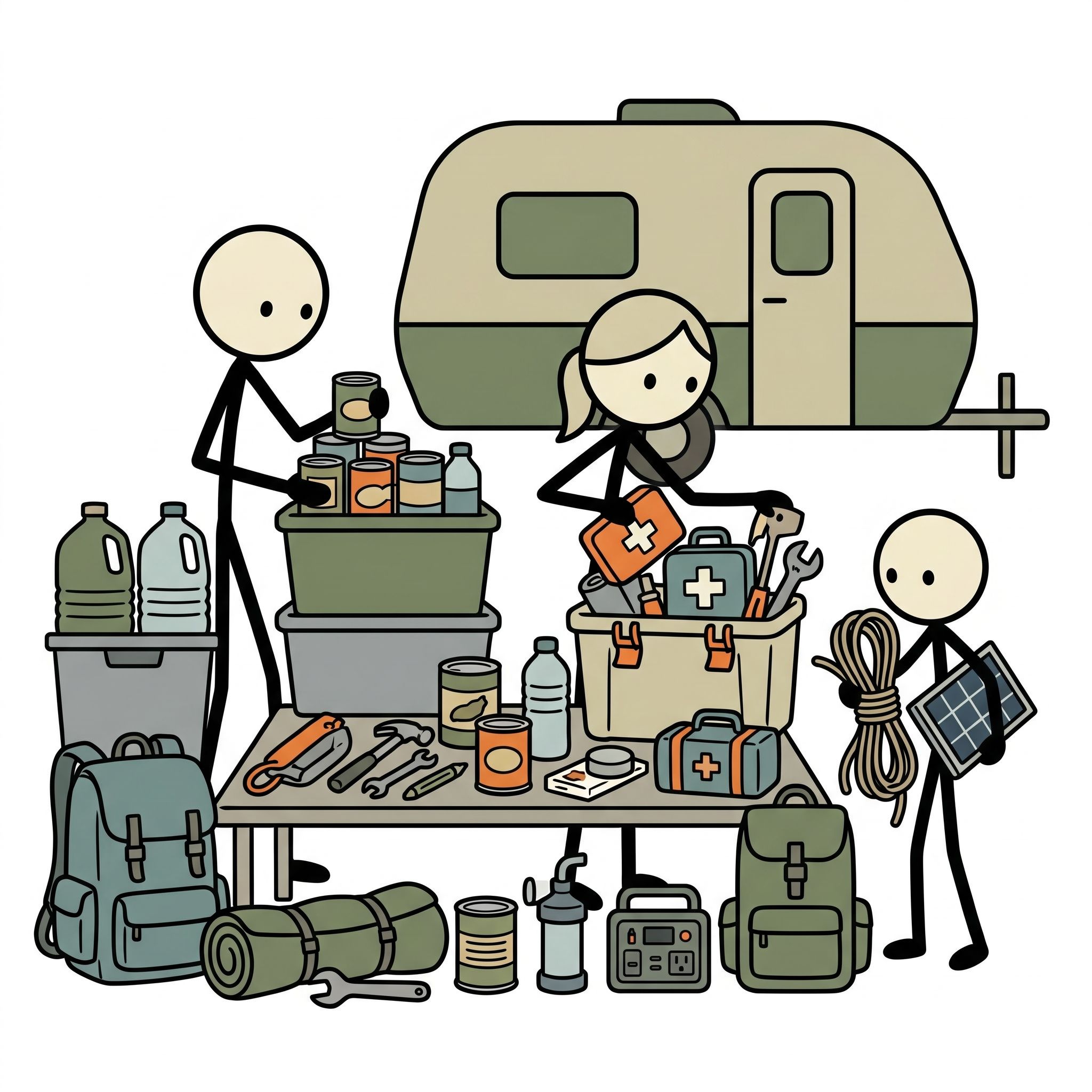
To function as a true survival shelter, your RV must be capable of operating completely independent of the electrical grid. Traditional RV electrical systems rely heavily on shore power or noisy, fuel-thirsty generators. True emergency preparedness requires a diversified, redundant power system built around renewable energy and high-capacity storage.
Transitioning to Lithium-Iron-Phosphate (LiFePO4) Batteries
Traditional lead-acid or AGM batteries are poorly suited for Survival Scenarioss. They can only be discharged to 50% of their capacity without damage, are exceptionally heavy, and degrade rapidly under heavy use. Upgrading to a LiFePO4 battery bank is the single most impactful electrical modification you can make. Lithium batteries can be safely discharged to 100%, charge up to four times faster, weigh half as much, and provide over 3,000 to 5,000 charge cycles.
A robust survival power bank should start at a minimum of 400 Amp-hours (Ah) at 12 Volts (or 5.12 Kilowatt-hours). This capacity is sufficient to run essential survival loads—such as water pumps, LED lighting, emergency communication plans gear, and medical equipment—for several days with zero solar input. For high-demand setups, a 24-volt or 48-volt system configuration reduces current draw, minimizes wiring thickness, and increases overall inverter efficiency.
Sizing and Installing a Monocrystalline Solar Array
Solar energy is your primary source of indefinite power generation. To ensure adequate charging even on overcast winter days, aim for a ratio of at least 1.5 to 2 Watts of solar panels per 1 Amp-hour of lithium battery capacity. For a 400Ah battery bank, a 600W to 800W solar array is highly recommended.
- Monocrystalline Panels: Choose high-efficiency monocrystalline panels for their superior performance in low-light and high-temperature conditions.
- MPPT Charge Controllers: Always utilize a Maximum Power Point Tracking (MPPT) charge controller rather than an older PWM controller. MPPT controllers are up to 30% more efficient, harvesting the maximum possible wattage from your panels.
- Tilt Mounts: Installing adjustable tilt mounts on your roof-mounted panels allows you to optimize the angle of incidence during winter months when the sun sits low on the horizon, maximizing energy capture.
Redundant Generation: Dual-Fuel Inverter Generators
While solar is your primary power source, weather anomalies or heavy canopy cover can disrupt solar harvesting. A dual-fuel inverter generator serves as your critical secondary backup. Inverter generators are significantly quieter and produce clean sine-wave power safe for sensitive electronics, unlike standard open-frame utility generators.
Opt for a dual-fuel model capable of running on both gasoline and liquid propane (LPG). Propane is highly advantageous for emergency preparedness; it has an indefinite shelf life, does not gum up carburetor jets during long periods of storage, and is already integrated into your RV’s existing heating and cooking systems. A 2,000-watt to 2,500-watt generator is highly portable, fuel-efficient, and capable of recharging your battery bank quickly via a high-amperage smart charger.
Water Security: Harvesting, Filtration, and Storage
Without clean water, even the most advanced RV is nothing more than an expensive parking spot. Water security in a mobile environment requires a three-phase strategy: maximizing on-board storage, protecting your water delivery infrastructure, and establishing reliable methods for harvesting and purifying water from natural or compromised sources.
Sanitization and On-Board Storage Management
Your RV’s freshwater tank is your immediate lifeline. Prior to any emergency, the entire freshwater system must be sanitized. The CDC recommends flushing the system with a chlorinated solution (1/4 cup of regular household bleach for every 15 gallons of water capacity), letting it sit for 4 hours, and then flushing it thoroughly with clean water. This process should be repeated every six months to prevent the growth of biofilm and harmful bacteria.
To extend your on-board Water Calculator, implement strict water conservation protocols. Install low-flow aerators on all faucets, utilize shut-off valves on showerheads to enable "navy showers," and keep a supply of biodegradable paper plates to minimize dishwashing water consumption. Gray water (from sinks and showers) should be conserved and repurposed for manually flushing the RV toilet, preserving your precious fresh water exclusively for drinking, cooking, and basic hygiene.
Advanced Multi-Stage Filtration and Purification
When your onboard supply runs low, you must be prepared to harvest water from municipal spigots of unknown quality, or directly from lakes, rivers, and rainwater collection systems. A standard inline RV hose filter is only designed to remove sediment and chlorine taste; it will not protect you from biological pathogens.
To safely process raw water into your fresh tank, construct a robust three-stage filtration and purification system:
- Stage 1: Sediment Filtration (5 to 10 Microns): A heavy-duty sediment filter removes dirt, rust, and suspended solids, preventing the subsequent fine filters from clogging prematurely.
- Stage 2: Activated Carbon Block (0.5 Microns): This stage removes heavy metals, volatile organic compounds (VOCs), agricultural runoff, pesticides, and chlorine.
- Stage 3: Microbiological Purification (0.02 Microns or UV-C): To eliminate biological threats, route the water through a sub-micron hollow-fiber membrane filter (such as a Sawyer Point Zero Two system) or an inline 12V UV-C purification sterilizer. This stage mechanically removes or neutralizes 99.999% of bacteria, protozoa (such as Giardia and Cryptosporidium), and viruses, meeting strict EPA drinking water standards.
For drawing water from natural sources, carry a dedicated 12V self-priming transfer pump. This allows you to pump water directly from a stream or pond through your filtration manifold and into your RV's fresh water tank without relying on gravity or manual siphoning.
Climate Control and Thermal Efficiency in Extreme Environments
Most commercial RVs are built as "three-season" vehicles, featuring minimal insulation and thin aluminum or fiberglass skins. In extreme winter freezes or scorching summer heatwaves, an unmodified RV can quickly become uninhabitable if the grid fails. Enhancing the thermal efficiency of your camper is a critical step in camper emergency preparedness.
Insulation Upgrades for Extreme Cold
To prevent hypothermia and protect your plumbing during a winter grid collapse, you must minimize thermal bridging and heat loss. Start by cutting custom-fit panels of double-sided reflective foil insulation (such as Reflectix) for every window and skylight. These panels reflect radiant heat back into the living space during winter and reflect solar radiation outward during summer.
Install heavy, insulated thermal curtains to isolate the driver's cab (in motorized RVs) or the entry doors from the main living compartment. The cab area is notoriously poorly insulated and acts as a massive heat sink. Additionally, install durable RV skirting around the perimeter of your trailer. Skirting blocks freezing winds from sweeping underneath the vehicle, creating a dead-air space that drastically reduces heat loss through the floor and prevents your holding tanks from freezing.
Efficient Heating Solutions
Standard RV propane furnaces are highly inefficient. They consume massive amounts of propane and draw significant 12V electrical power to run the forced-air blower motor, which can drain a standard battery bank in a single night. For survival scenarios, integrate highly efficient secondary heating systems:
- Diesel Parking Heaters: These compact, self-contained units are exceptionally fuel-efficient, consuming as little as 0.1 to 0.28 liters of diesel fuel per hour while drawing minimal electrical current. They produce dry, clean heat, venting all combustion exhaust safely outside the vehicle.
- Catalytic Propane Heaters: Units like the Olympic Wave series generate radiant heat through a catalytic reaction, requiring zero electrical power. However, because they are ventless, they consume oxygen and release moisture into the air. If utilizing a catalytic heater, you must crack a window to prevent carbon monoxide buildup and monitor the interior with a high-quality, battery-operated CO detector.
Cooling and Ventilation Management
In extreme heat, heat stroke is a major threat. Running a standard 120V air conditioner requires immense power, typically necessitating a large generator or a massive, expensive lithium system. To mitigate heat without draining your power reserve, install high-velocity 12V ceiling ventilation fans (such as MaxxAir or Fantastic Vent). These fans draw minimal power (less than 3 Amps on high) and can exchange the entire volume of air inside an RV within minutes when windows are strategically cracked.
Additionally, consider upgrading to a modern 12V DC mini-split or under-bench air conditioning system. These units utilize variable-speed compressors that are up to 50% more efficient than traditional rooftop units, allowing them to be run directly off your solar-charged lithium battery bank during the hottest hours of the day.
Structural Security and Defensive Positioning
During a large-scale emergency, civil unrest or desperation can turn your mobile shelter into a target. Unlike brick-and-mortar homes, RVs are structurally vulnerable to forced entry. Implementing physical security measures and practicing tactical situational awareness are paramount to protecting your family and resources.
Physical Hardening of the Camper
The standard locks installed on most RV entry doors and storage compartments are notoriously insecure. In fact, many manufacturers use a universal key code (such as the CH751 key) for exterior storage bays, meaning thousands of other RV owners have keys that can open your compartments. Replace all factory compartment locks with high-security tubular or electronic combination locks.
Upgrade your primary entry door latch with a heavy-duty, all-metal RV deadbolt lock. Apply shatterproof security film to all exterior glass windows; this prevents intruders from easily breaking the glass to reach inside and unlock the door. For added security at night, install interior security bars across the entry door and any large emergency escape windows.
Defensive Parking and Tactical Positioning
Your security is largely determined by where and how you park. When bugging out, avoid high-visibility areas, major highway shoulders, and dense urban centers. Instead, seek out pre-scouted, low-profile locations on public lands (such as BLM or National Forest areas) or secure private property.
Always apply the following tactical parking principles:
- Park for Immediate Departure: Never back into a parking spot if it forces you to turn around to escape. Always park facing your primary exit route. Keep your tow vehicle hitched to your travel trailer if you anticipate having to move quickly, or ensure the hitching process can be completed in under three minutes in the dark.
- Avoid Natural Hazards: Do not park in low-lying areas prone to flash flooding, beneath unstable cliffs, or directly under large, dead trees (often called "widowmakers") that could fall during high winds. Consult USGS and NOAA hazard maps during route planning.
- Utilize Natural Concealment: Position your RV using natural terrain features, such as tree lines, hillsides, or abandoned structures, to break up the vehicle's distinct silhouette and block light pollution from your windows at night.
The Ultimate Bug Out RV Checklist
A successful evacuation relies on having your vehicle pre-stocked with critical survival gear, mechanical spares, and life-support supplies. Use this comprehensive, highly structured bug out RV checklist to audit your vehicle's readiness before disaster strikes.
1. Life Support & Sustenance (Food, Medical, and Hygiene)
- Emergency emergency food storage guide: Minimum 30-day supply of non-perishable, shelf-stable foods per person. Focus on high-calorie, low-prep items (freeze-dried meals, canned meats, grains, and nut butters) that require minimal water and fuel to prepare.
- Trauma-Grade Medical Kit: A comprehensive medical kit containing tourniquets (CAT Gen 7), chest seals, hemostatic gauze (QuikClot), pressure dressings, splints, burn treatments, and broad-spectrum antibiotics, alongside standard Red Cross first aid supplies.
- Prescription Medications: A minimum 30-day supply of all critical family medications, stored in a temperature-controlled environment. (RVs with active 12V refrigeration are ideal for maintaining the cold chain for medications like insulin, as recommended by the CDC).
- Sanitation and Waste Management: Heavy-duty contractor trash bags, chemical toilet treatments (biodegradable enzymes), a portable five-gallon cassette toilet (as backup to the main black tank), and ample personal hygiene supplies (scent-free wet wipes, hand sanitizer, and feminine hygiene products).
2. Tools, Recovery, and Mechanical Spares
- Tire Pressure Monitoring System (TPMS): A wireless TPMS installed on all RV and tow vehicle tires to provide real-time pressure and temperature alerts, preventing catastrophic blowouts on the road.
- Heavy-Duty Recovery Gear: A high-capacity bottle jack (minimum 12-ton rating), heavy-duty traction boards (such as MaxTrax), a 30-foot kinetic recovery tow strap, a folding steel shovel, and a heavy-duty 12V air compressor capable of airing up large truck and trailer tires.
- Essential Mechanical Spares: Replacement serpentine belts, radiator hoses, spare fuses of all amperages, extra engine oil, transmission fluid, coolant, a spare fuel filter, and a comprehensive mechanical toolset (sockets, wrenches, screwdrivers, and wire cutters).
- Trailer-Specific Spares: Spare wheel bearings, a grease gun with high-temperature wheel bearing grease, a spare trailer tire (properly inflated), and a heavy-duty lug wrench matching your trailer's lug nut size.
3. Communications, Navigation, and Intelligence
- Multi-Band NOAA Weather Radio: A rugged, hand-crank and battery-powered radio to receive real-time emergency broadcasts and weather warnings from the National Weather Service.
- Satellite Communications: A Starlink Roam terminal or a Garmin inReach satellite communicator to maintain high-speed internet and text messaging capabilities when terrestrial cell towers are offline or overloaded.
- Offline and Physical Navigation: Redundant GPS units pre-loaded with offline topographical maps, paired with a current physical road atlas (such as Rand McNally) and local paper topographical maps.
- Localized Radio Communications: A pair of high-power GMRS or HAM radios to communicate with family members or local emergency networks when scouting away from the vehicle.
Weight Dynamics, Towing Safety, and Mobility Logistics
An overloaded or improperly balanced vehicle is a severe hazard, especially during the high-stress, high-speed conditions of an emergency evacuation. Understanding the physics of towing and the strict weight limitations of your vehicle is critical to ensuring your mobile survival shelter actually reaches its destination.
Demystifying Weight Ratings
Before loading your survival gear, you must understand the manufacturer ratings stamped on your vehicle’s safety placard. Exceeding these limits can lead to brake failure, structural frame cracks, blown tires, and loss of vehicle control.
| Acronym | Full Name | Definition & Survival Importance |
|---|---|---|
| GVWR | Gross Vehicle Weight Rating | The maximum allowable total weight of the vehicle (including fuel, water, passengers, and cargo). Never exceed this limit. |
| GAWR | Gross Axle Weight Rating | The maximum weight that can be safely supported by a single axle. Uneven cargo loading can exceed GAWR even if you are under GVWR. |