⚡ Key Facts
- Grid Vulnerability: According to the National Oceanic and Atmospheric Administration (NOAA), winter storms account for billions of dollars in infrastructure damage annually, frequently resulting in prolonged regional power grid failures.
- The Silent Killer: The Centers for Disease Control and Prevention (CDC) reports that carbon monoxide poisoning spikes drastically during winter months due to the improper use of portable generators and alternative heating sources.
- Infrastructure Damage: A frozen pipes emergency is one of the leading causes of residential property damage during extreme cold snaps, with a single burst pipe capable of spilling hundreds of gallons of water per hour.
- Vehicle Fatalities: The Federal Emergency Management Agency (FEMA) warns that over 70% of winter weather-related injuries and fatalities occur in automobiles, emphasizing the critical need to respect travel limits.
- Caloric Needs: In sub-zero temperatures, the human body requires significantly more calories to maintain its core temperature, making strategic emergency food storage guide an absolute necessity for off-grid survival.
When the sky turns a bruised, heavy gray and the temperature plummets, the illusion of modern convenience can shatter in an instant. We rely on a fragile web of power grids, municipal Water Calculator systems, and supply chains to keep the freezing elements at bay. But as recent historical freezes have proven—from the devastating Texas power crisis to the paralyzing blizzards of the Northeast—nature does not negotiate. When the grid fails and the roads freeze over, you are instantly transformed into your own first responder.
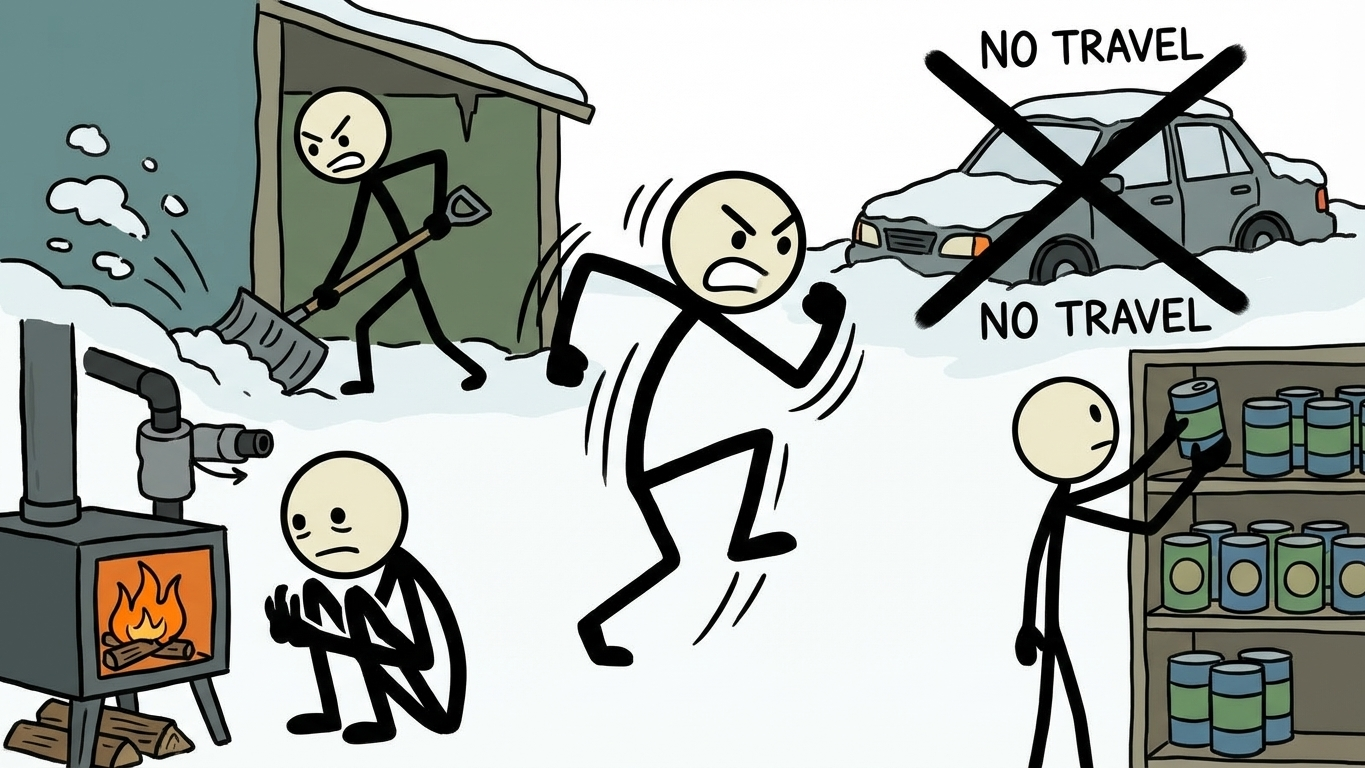
True winter storm preparedness is not about succumbing to anxiety or hoarding supplies in a panic. It is about calculated, methodical planning. It is about understanding the physics of heat loss, the mechanics of residential plumbing, and the biological needs of the human body under stress. By taking proactive steps today, you can transform a potentially life-threatening winter blackout into a manageable, albeit uncomfortable, camping trip in your own living room.
This comprehensive guide will walk you through the essential pillars of winter survival. We will cover how to generate and trap heat safely, how to protect your home’s critical infrastructure, and how to manage food, water, and travel when the world outside your window freezes over. With the right knowledge and a resilient mindset, you can weather any storm.
The Reality of the Modern Winter Blackout
To survive a severe winter event, you must first understand the specific threats you are facing. A winter blackout is rarely a solitary event; it is a cascading failure. High winds bring down power lines, heavy ice accumulation snaps tree branches, and extreme cold drives energy demand so high that utility companies are forced into rolling blackouts to prevent total grid collapse.
Mastering ice storm survival requires recognizing that help will not arrive immediately. Emergency services will be overwhelmed, and road conditions will make travel impossible for utility repair crews. You must plan for a minimum of 72 hours without external assistance, though preparing for a full week is the standard recommended by modern survival experts.
Decoding Weather Agency Warnings
The National Weather Service (NWS) uses specific terminology that dictates the level of action you must take. A Winter Storm Watch means that severe winter conditions are possible in your area within the next 48 hours. This is your final window to check supplies, fuel up vehicles, and charge battery banks.
A Winter Storm Warning means that life-threatening, severe winter conditions have begun or will begin within 24 hours. At this stage, your preparations should be complete, and your focus must shift to sheltering in place. A Blizzard Warning indicates sustained winds or frequent gusts of 35 mph or greater, accompanied by falling or blowing snow that reduces visibility to a quarter-mile or less for at least three hours. During a blizzard warning, travel is generally considered a fatal risk.
How to Stay Warm Without Power: Safe Heating Strategies
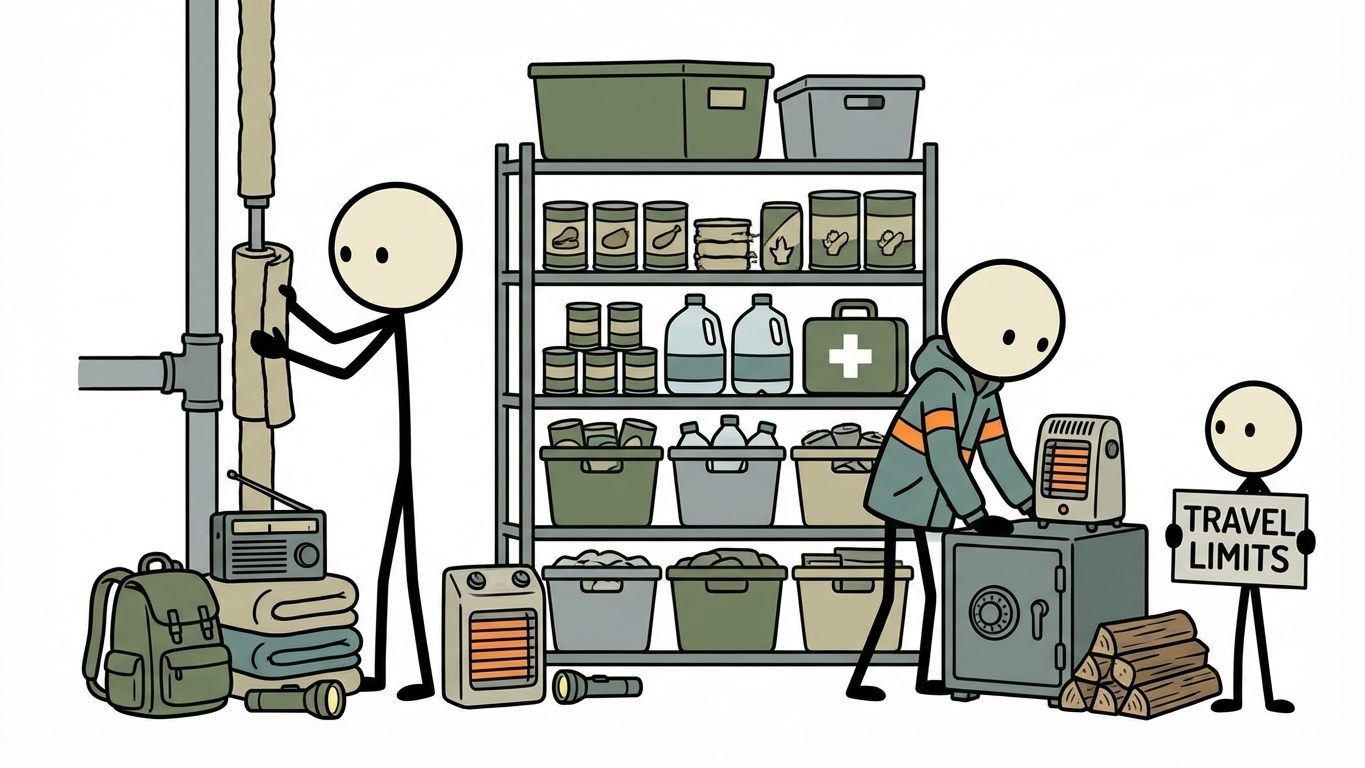
When the furnace dies, the clock starts ticking on your home’s internal temperature. Learning how to stay warm without power is the absolute cornerstone of winter survival. A house will lose its heat rapidly, especially if poorly insulated or exposed to high winds. Your goal is not to keep the entire house at a comfortable 72 degrees, but to maintain a survivable core temperature for you and your family.
The Micro-Climate Strategy
Do not attempt to heat your entire home during a winter blackout. Instead, consolidate your resources by creating a micro-climate. Choose a single room to serve as your primary shelter. The ideal room is small, located on the interior of the house (or the south-facing side for passive solar heat during the day), and has few windows. Rooms with low ceilings are preferable because heat rises.
Once you have selected your safe room, seal it off. Close the doors and place rolled-up towels or draft guards at the base of the doors. Hang heavy blankets or sleeping bags over the windows to significantly boost the R-value (insulation rating) of the glass. For an even more effective micro-climate, pitch a standard camping tent inside this room. A tent traps the body heat of its occupants in a vastly smaller volume of air, raising the internal temperature by 10 to 15 degrees compared to the surrounding room.
Layering for Core Temperature Maintenance
Your body is a natural furnace; your clothing is simply the insulation that traps that heat. Effective layering is critical. Start with a base layer made of moisture-wicking material like merino wool or synthetic performance fabric. Never wear cotton against your skin in the cold, as it traps sweat and accelerates heat loss.
Next, add a mid-layer designed for insulation, such as fleece, heavy wool, or a down jacket. This layer traps the warm air generated by your body. Finally, use an outer layer to block wind and repel moisture if you need to step outside. Indoors, heavy blankets and extreme-weather sleeping bags rated for sub-zero temperatures will serve as your primary defense against hypothermia while sleeping.
The Silent Killer: Carbon Monoxide Awareness
Desperation drives people to make fatal mistakes. According to the CDC, carbon monoxide (CO) poisoning is a leading cause of death during winter power outages. CO is an odorless, colorless gas produced by the incomplete combustion of fuels.
Never use a gas oven or stovetop to heat your home. Never bring a charcoal grill, camp stove, or portable gas generator indoors, into a garage, or near a window. If you are using an indoor-safe propane heater (such as a Mr. Heater Buddy, which features an oxygen depletion sensor), you must still crack a window slightly to ensure adequate ventilation. Always have battery-operated carbon monoxide detectors installed in your safe room, and test them as part of your pre-storm checklist.
Surviving a Frozen Pipes Emergency
Beyond the immediate threat to human life, the most devastating consequence of a winter freeze is infrastructure failure. When water drops below 32°F (0°C), it freezes and expands by approximately 9%. Inside a closed plumbing system, this expansion creates immense pressure—up to 3,000 pounds per square inch—which can easily rupture copper, PVC, and PEX piping. A frozen pipes emergency can flood your home, destroy your possessions, and compromise your shelter.
Pre-Storm Pipe Protection
The American Red Cross recommends taking preventative measures long before the temperature drops. Identify all vulnerable pipes in your home, particularly those located in unheated areas like attics, basements, crawl spaces, and exterior walls. Insulate these pipes using foam pipe sleeves, fiberglass insulation, or UL-listed heat tape.
Disconnect and drain all outdoor garden hoses. Install insulated covers over your exterior hose bibs. If you have an interior shut-off valve for the exterior water lines, close it and drain the remaining water from the outside spigot. Prevention is vastly cheaper and easier than remediation.
Active Blackout Pipe Management
If the power goes out and your home's internal temperature begins to plummet, you must take active steps to keep water moving. Moving water is significantly harder to freeze than stagnant water. Open your faucets to allow a slow, steady drip of cold water. This relieves the pressure in the system, which is what actually causes the pipe to burst.
Open the cabinet doors under your kitchen and bathroom sinks. This allows whatever ambient heat remains in your home to circulate around the uninsulated plumbing. If you are forced to evacuate your home due to freezing temperatures, or if you cannot maintain a temperature above freezing inside, you must shut off the main water valve to the house and open all faucets to drain the system entirely.
How to Safely Thaw a Frozen Pipe
If you turn on a faucet and only a trickle comes out, suspect a frozen pipe. Keep the faucet open; as you treat the frozen pipe and the ice plug begins to melt, water will flow through and help melt the rest of the ice.
Apply heat to the section of pipe safely. Use an electric heating pad wrapped around the pipe, an electric hair dryer, or towels soaked in hot water. Never use a blowtorch, kerosene heater, charcoal stove, or any open flame device to thaw a pipe. This is a massive fire hazard, and a house fire during a winter storm is a catastrophic, often fatal scenario. If you cannot locate the frozen section, or if it is inaccessible, call a licensed plumber immediately.
Sustenance in the Cold: Food Storage and Water Reserves
Your body expends a massive amount of energy shivering and maintaining its core temperature during a winter blackout. Consequently, your caloric and hydration needs will increase. Proper food and water storage ensures you have the fuel required to survive a prolonged outage without risking dangerous travel.
Rethinking Water Storage for Freezing Temperatures
FEMA guidelines recommend storing at least one gallon of water per person, per day, for drinking and sanitation. For a family of four preparing for a week-long outage, that is 28 gallons of water. However, winter storm preparedness requires a specific approach to water storage: water expands when it freezes.
If you store water in hard plastic containers or glass jugs in an unheated garage, they will shatter when the water freezes. Store your primary drinking water inside your insulated safe room. Leave at least two inches of headspace in any container stored in colder areas to allow for expansion. Products like the WaterBOB, which line your bathtub and can hold up to 100 gallons of municipal water, are excellent to fill during the "Watch" phase before the storm hits.
High-Calorie Winter Nutrition
When the power is out, your refrigerator and freezer will eventually fail. A full freezer will keep food safe for about 48 hours if the door remains closed; a refrigerator will keep food cold for about 4 hours. Do not rely on the outdoors as a makeshift freezer. The sun can heat containers to unsafe temperatures even in freezing weather, and wild animals will inevitably be drawn to the scent.
Stockpile non-perishable foods that require no cooking and minimal water to prepare. Prioritize high-calorie, high-fat, and high-protein foods. Nuts, peanut butter, protein bars, jerky, canned chili, and trail mix are excellent winter survival foods. The digestion of complex carbohydrates and fats actually generates internal body heat, a process known as thermogenesis. Eating a high-fat snack right before going to sleep in your cold-weather sleeping bag will help keep you warmer through the night.
Safe Off-Grid Cooking
If you have the means to safely boil water, you open up the possibility of freeze-dried meals, instant soups, and hot beverages. Hot tea or broth provides an immense psychological boost and physically warms the body's core.
However, cooking must be done safely. Camping stoves (like Jetboils or Coleman two-burners) must only be used outdoors or in a highly ventilated, open garage due to the risk of carbon monoxide poisoning and fire. Never use outdoor cooking equipment inside your safe room. Keep a supply of thermal carafes (thermoses); when you do boil water outside, store the excess in a thermos so you have access to hot water for hours without needing to reignite a stove.
Travel Limits and Vehicle Winter Survival
One of the most critical rules of winter storm preparedness is understanding when to stay put. Municipalities issue travel limits and driving bans for a reason. Black ice, whiteout conditions, and snowdrifts turn familiar roads into deadly traps. According to FEMA, the vast majority of winter weather fatalities occur in vehicles. The best way to survive a winter accident is to avoid being on the road in the first place.
Respecting Travel Bans and Ice Risks
When local authorities advise against travel, listen to them. Even if you drive a heavy-duty four-wheel-drive vehicle, you are not immune to the laws of physics. Four-wheel drive helps you accelerate in snow; it does absolutely nothing to help you stop on solid ice. Furthermore, by being on the road, you become an obstacle for snowplows and emergency vehicles.
If you must travel for an absolute, life-or-death emergency, inform someone of your route, your destination, and your expected arrival time. Stick to main roads, which are more likely to be plowed and treated with salt or sand. Never rely solely on GPS during a winter storm, as it may route you onto unmaintained backroads that are impassable.
The Ultimate Winter Vehicle Survival Kit
Every vehicle in your household must be equipped with a winter survival kit from November through March. If you slide off the road into a ditch, you may be waiting hours or even days for a tow truck. Your get home bag is your lifeline.
A proper vehicle kit should include a folding snow shovel, a bag of sand or non-clumping kitty litter for tire traction, heavy-duty jumper cables, and a tow strap. For personal survival, include extreme-weather sleeping bags, Mylar emergency blankets, chemical hand and foot warmers, extra hats and waterproof gloves. Pack high-calorie emergency food bars and water in flexible pouches (which won't burst if they freeze). Finally, include a high-lumen flashlight with lithium batteries (which perform better in the cold than alkaline), road flares, and a first aid kit.
Stranded Protocol: Surviving in Your Vehicle
If you become stranded, do not abandon your vehicle unless you can clearly see a safe building within a short walking distance. In a whiteout, it is incredibly easy to become disoriented and succumb to hypothermia just yards away from your car. Your vehicle is your shelter.
To stay warm, run the engine and heater for about 10 minutes every hour. Crucial warning: Before you start the engine, you must ensure the exhaust pipe is completely clear of snow and ice. A blocked tailpipe will force lethal carbon monoxide back into the passenger cabin. While the engine is running, crack a downwind window slightly for ventilation. Tie a brightly colored cloth to your antenna or door handle to signal for help, and keep your dome light on at night when the engine is running to attract rescuers.
Communication, Lighting, and Medical Continuity
A winter blackout isolates you from the rest of the world. Cell towers may lose power or become overloaded, and the darkness of early winter nights can take a heavy psychological toll. Maintaining communication, safe lighting, and medical continuity are vital components of your survival strategy.
Information is a Survival Tool
You cannot make informed decisions if you are cut off from weather updates and emergency broadcasts. A battery-operated or hand-crank NOAA weather radio is an indispensable tool. These radios receive continuous broadcasts from the National Weather Service, providing you with real-time updates on storm trajectories, travel bans, and emergency shelter locations.
Keep your mobile devices charged for as long as possible. Invest in high-capacity lithium-ion power banks and keep them fully charged before the storm hits. To conserve battery life on your phone, lower the screen brightness, close unnecessary apps, and switch the device to low-power or airplane mode when you are not actively trying to make a call or send a text. Remember that SMS text messages require significantly less bandwidth than voice calls and will often go through even when cell networks are congested.
Safe Illumination
When the grid goes down, the sun sets early in the winter, leaving you in darkness for up to 14 hours a day. The National Fire Protection Association (NFPA) strongly advises against the use of candles during power outages. The risk of knocking over a candle in the dark, especially when bundled in heavy clothing or blankets, is exceptionally high.
Instead, rely exclusively on battery-operated lighting. Headlamps are the ultimate emergency light source, as they leave both of your hands free to tend to equipment, cook, or care for family members. LED lanterns provide excellent ambient light for your safe room. Stockpile extra batteries for all your devices, and remember that cold temperatures drain batteries much faster, so keep your flashlights inside your warm micro-climate.
Medical Preparedness
A winter storm can easily trap you in your home for a week. If you or a family member relies on prescription medication, a blackout is the worst possible time to run out. Maintain at least a 30-day Supply Calculator of all essential medications.
If you use medical devices that require electricity, such as CPAP machines or oxygen concentrators, you must have a backup power plan. Portable solar generators (large lithium battery banks) are safe to use indoors and can power medical devices for several nights. Additionally, ensure your home first aid kit is fully stocked to handle minor injuries, as a trip to the emergency room for a simple cut or burn may be impossible due to road conditions.
Winter storms are a brutal reminder of nature’s raw power, but they do not have to be a tragedy. By mastering the principles of safe heating, protecting your plumbing, storing the right sustenance, and respecting the dangers of winter travel, you insulate yourself against the chaos. Preparedness is the ultimate equalizer. When the grid falters and the ice sets in, you won't be a victim waiting for rescue; you will be capable, resilient, and ready to weather the storm.
Master winter emergency response through our natural disaster survival guide. Learn cold-weather survival from our heating without electricity guide. Create a family winter plan with our family emergency plan. Calculate winter supplies with our supply calculator. Get expert winter training through our preparedness courses.
Frequently Asked Questions
What is the most important weather prep step?
Have redundant alerts, a shelter plan, and pre-staged supplies so you can act immediately when warnings arrive.
Should I shelter in place or evacuate?
Follow local orders and hazard type. Evacuate early when routes are still open and conditions are still manageable.
How often should I update my weather emergency kit?
Review every 6 months, rotate food and medications, and seasonally adjust clothing and shelter items. For a broader perspective on how communities handle these situations, see our real-world emergency scenarios guide.
How can I reduce panic during severe weather events?
Use checklists, assign roles, and rehearse actions. Familiar routines reduce decision fatigue under stress.
What mistakes do families make most often?
Waiting too long to act, relying on one information source, and not practicing the plan before a real event.